 EN
EN
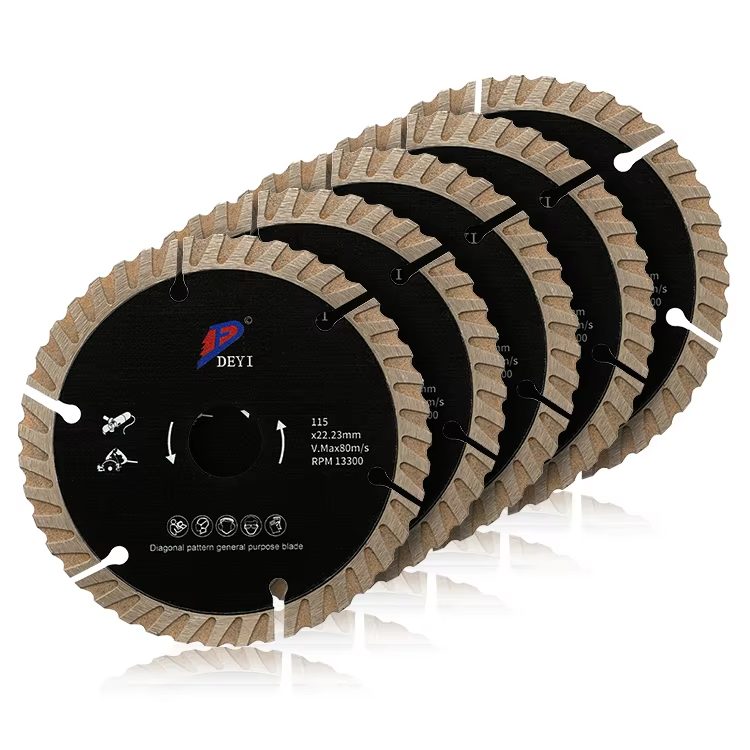
The Universal Blade Performance Tradeoff: Versatility vs. Material-Specific Optimization
The Rise of Universal Diamond Blades in Multi-Material Cutting Applications
More contractors are turning to universal diamond blades for cutting concrete, tiles, and stones because they can do it all with just one tool which cuts down on inventory expenses and saves time that would otherwise be spent changing blades. But according to various industry reports, there's a tradeoff here. These general purpose blades tend to lose about 15 to maybe even 30 percent efficiency when compared against blades made specifically for certain materials. Why? Well, it comes down to what engineers call a compromise. Universal blades don't have the right mix of bond hardness or enough diamonds packed into them, nor do their segments fit properly across different types of materials. That means while they offer convenience, they aren't quite as effective as specialized options.
How Bond Hardness Compromises Cutting Efficiency Across Materials
The metal bond must erode at a rate that continuously exposes sharp diamond grit while retaining structural integrity. Universal blades use medium-hard bonds as a middle ground—sufficiently durable for soft asphalt yet erodible enough for hard quartzite. But this compromise creates two opposing wear failures:
- In soft materials, the bond wears too slowly, leading to segment glazing, where smooth, polished metal seals diamonds beneath an inert surface
- In hard, dense aggregates, the bond erodes too quickly, shedding diamonds before full abrasion potential is realized
This dual inefficiency reduces effective cutting speed by up to 40%, per abrasive technology benchmarks (2023).
Case Study: Cutting Masonry vs. Reinforced Concrete with a Single Blade
Testing a widely used universal blade on standard masonry and steel-rebar concrete revealed stark performance divergence:
| Material | Cutting Speed | Surface Quality | Blade Wear Pattern |
|---|---|---|---|
| Masonry | 22 sec/cut | Chipped edges | Center glazing |
| Reinforced Concrete | 41 sec/cut | Rough finish | Segment erosion |
The intermediate bond hardness failed to sustain consistent diamond exposure: masonry caused overheating and glaze formation, while concrete’s abrasive aggregate accelerated segment loss. This illustrates the core universal blade performance tradeoff—versatility directly undermines speed, finish quality, and blade longevity.
Material-Specific Challenges: Why One-Size-Fits-All Blade Designs Fall Short
How Material Hardness, Abrasiveness, and Structure Affect Blade Wear and Cut Quality
Three material properties govern diamond blade behavior:
- Hardness dictates optimal bond erosion rate—soft asphalt requires harder bonds to retain diamonds; dense concrete needs softer bonds to expose fresh grit
- Abrasiveness accelerates segment wear—highly abrasive masonry degrades bonds up to 40% faster than non-abrasive surfaces
-
Internal structure introduces mechanical inconsistency—reinforced concrete generates micro-fractures in segments due to unpredictable resistance from rebar and aggregate
Together, these variables create a fundamental mismatch: universal blades glaze on hard surfaces and erode prematurely on abrasive ones, reducing cut quality by up to 60% in cross-material applications.
Diamond Segment Design: Balancing Edge Quality and Service Life by Material Type
Getting good results really depends on how well the segments are designed for specific jobs. When working with brittle tiles, we typically go for higher diamond concentrations around 40 to 50 percent combined with medium hard bonding material. This helps keep the cutting edges intact and reduces those annoying chips that happen so easily. On the other hand, when tackling abrasive concrete surfaces, we need to dial back the diamond content to somewhere between 25 and 35 percent and switch to harder metal bonds instead. These tougher bonds stand up better against wear and tear from rough surfaces. If things aren't matched properly, softer bonds tend to get too hot and form a glazed surface when cutting through hard materials. Harder bonds meanwhile just don't work right on softer stuff, leading to all sorts of problems with inconsistent cutting and damaged edges. Trying to make one blade work across multiple materials usually means making some kind of compromise somewhere along the line. Most professionals will tell you that blades made for specific applications last about 30 percent longer than these general purpose options.
Wear Mechanisms in Cross-Material Use: Glazing, Imbalance, and Overheating
Common Wear Patterns: Segment Glazing and Uneven Wear in Universal Blades
Segment glazing happens when the bonds get too hot and trap those dull diamonds, creating this glass-like surface on the blade. This problem is pretty common with universal blades when cutting through different materials. What makes matters worse is that it actually reduces friction and stops proper material removal, which means slower cuts all around. When moving between materials like soft masonry and tough reinforced concrete, the changing resistance wears down segments unevenly. This creates an imbalance that shakes the whole setup, leading to more vibrations and quicker blade failure. According to some field reports from Cutting Tool Engineering back in 2023, universal blades just don't last as long in these mixed material jobs – about 25% shorter lifespan overall. Operators also mentioned needing to change blades unexpectedly almost 40% more often than usual, causing serious disruptions in workflow.
Matching Diamond Concentration and Bond to Reduce Thermal Damage
Getting thermal management right depends on matching diamond concentration levels and bond hardness to what different materials need. When working on rough surfaces such as asphalt, using blades with lower diamond content around 20 to 25 percent combined with softer bronze bonds helps control wear while exposing new diamonds and managing heat effectively. Granite presents a different challenge altogether. Here we typically go for higher concentrations between 30 and 40 percent in tougher steel bonds that keep the cutting surface intact. But there's a catch - these blades need regular breaks during operation to prevent cracking caused by excessive heat buildup. Blades that are properly selected for their specific tasks stay within safe temperature ranges of approximately 150 to 200 degrees Fahrenheit. This makes them much less prone to glazing issues and significantly extends their lifespan compared to generic blades that try to do everything but end up failing faster.
Real-World Consequences: Cutting Speed, Surface Finish, and Operational Costs
Performance Data: Up to 40% Slower Cuts in Dense Materials with Universal Blades
Standard diamond saw blades tend to lose speed when working with tough materials. According to field testing, cutting times go up around 30 to 40 percent longer on stuff like reinforced concrete and granite compared to blades made specifically for those materials. The reason? These general purpose blades typically have weaker bond hardness and lower diamond concentrations. Because of this performance issue, operators have to reduce their feed rates to avoid overheating problems. Slower cutting means projects take longer to complete, which naturally drives up labor expenses for every foot that gets cut.
Hidden Costs: Reduced Blade Life and Increased Downtime in Professional Settings
Universal blades come with hidden costs beyond just losing cutting speed. Field reports show blade life drops anywhere from 25 to 35 percent when workers switch back and forth between rough abrasive stuff and tough dense materials. Why? The diamonds get glazed over time, wear unevenly across the blade surface, and suffer from heat damage after repeated use. These problems mean blades need replacing two to three times more often than they should. That creates all sorts of headaches for shops - buying replacement blades on short notice, machines sitting idle waiting for new blades, and having to redo work because edges aren't clean enough. For companies running large scale operations day in and day out, this adds up to around 18 to 22 percent higher annual costs overall. So those initial savings from using one type of blade for everything pretty much disappear when looking at the real bottom line.
FAQ
-
What is a universal diamond blade?
A universal diamond blade is designed to cut multiple types of materials like concrete, tiles, and stones using a single tool, offering convenience and reduced inventory expenses. -
Why do universal blades lose efficiency compared to specialized blades?
Universal blades often lack proper bond hardness and diamond concentrations specific to each material type, leading to reduced cutting efficiency. -
What are the wear failures associated with universal blades?
Universal blades may experience segment glazing in soft materials or rapid diamond loss in hard materials, affecting cutting speed and quality. -
How does material-specific blade design improve performance?
Material-specific blades are optimized for each material type, balancing diamond concentration and bond hardness to enhance cutting speed, quality, and lifespan. -
What are the hidden costs of using universal blades?
Universal blades may require frequent replacements due to wear and inefficiencies, leading to increased downtime and operational costs.
Table of Contents
- The Universal Blade Performance Tradeoff: Versatility vs. Material-Specific Optimization
- Material-Specific Challenges: Why One-Size-Fits-All Blade Designs Fall Short
- Wear Mechanisms in Cross-Material Use: Glazing, Imbalance, and Overheating
- Real-World Consequences: Cutting Speed, Surface Finish, and Operational Costs
- FAQ