
 EN
EN
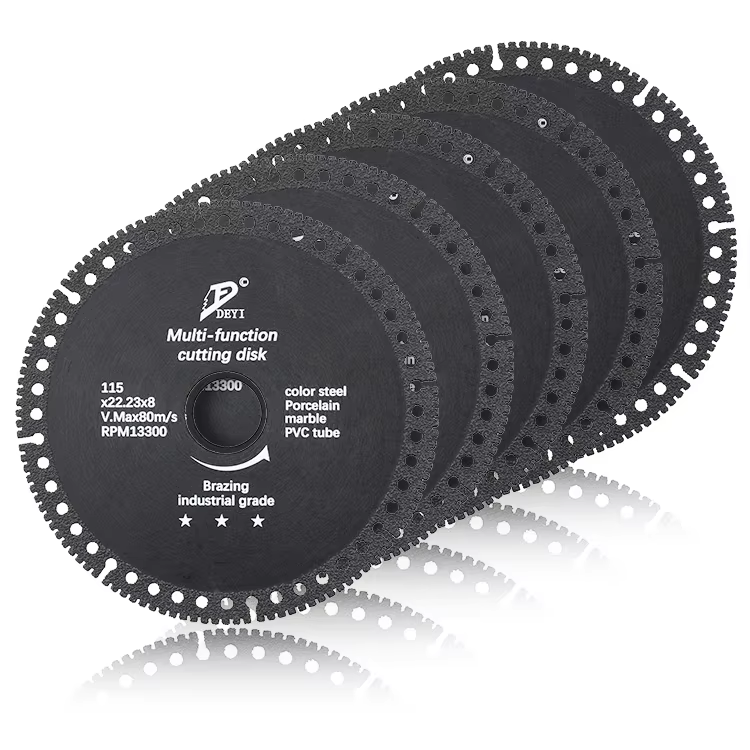
Core Safety Features of Diamond Saw Blades in Automotive Glass Cutting
How diamond blade design enhances car window blade safety
Automotive glass cutting blades feature industrial diamonds embedded in a special metal mix, creating a tough edge that cuts through glass while reducing fractures. These blades produce much cleaner cuts compared to regular abrasives, which makes a big difference for both mechanics working on cars and people inside those vehicles during repairs. When dealing with laminated safety glass, the controlled cutting action matters a lot because this type of glass has a plastic layer sandwiched between two panes. That plastic layer tends to separate when exposed to too much stress from rough cutting methods. The way these blades are made keeps the diamonds exposed properly so they stay sharp longer. This means less chance of the blade getting dull and causing dangerous situations like slippage or sudden kickback. Plus, there's less vibration during operation, giving technicians better control over how deep they cut without damaging the glass structure itself.
Cooling and lubrication systems to prevent thermal shock in safety glass
Managing heat becomes really important during the process of cutting automotive safety glass. When temperatures suddenly jump past around 150 degrees Celsius, the glass can crack badly because of something called thermal shock. That's why many shops install water-based cooling systems right at the point where the cut happens. These systems help keep things cool enough to stay safe from those dangerous temperature spikes. The continuous application of lubricant also makes a big difference. It cuts down on friction by somewhere between half to two-thirds, which stops tiny cracks from forming and keeps silica dust from becoming a hazard. This combination works wonders for preserving how strong tempered glass remains. Tempered glass tends to explode when too hot, so staying within safe limits matters a lot. For laminated glass with its layered structure, proper cooling helps maintain the bond between layers too. Getting the right amount of coolant flowing depends on how thick the glass actually is. Industry experts stress this point strongly since not having enough lubrication raises the chance of breakage by roughly 40 percent in parts where safety absolutely cannot be compromised.
Matching Blade Design to Automotive Glass Types for Safer Cuts
Cutting challenges: Laminated vs. tempered glass and their impact on car window blade safety
There are basically two different kinds of glass used in cars, and each one needs specific diamond blades for cutting safely and effectively. Tempered glass makes up most side and back windows. It gets super hard after being heated to extreme temperatures, so trying to cut it after tempering is a bad idea. The glass just explodes into unpredictable shards. That's why professionals need to work with glass that hasn't been tempered yet and use blades designed for precise scoring rather than rough cutting. Windshields tell a different story altogether. They're made of laminated glass with a special PVB layer stuck between two pieces of regular glass. Cutting through this sandwich requires fine grit diamond blades and plenty of coolant running constantly to prevent the middle layer from melting or coming apart. For both types of glass, controlling how fast the blade moves, how many revolutions per minute it spins, and how much pressure is applied matters a lot. Get these wrong and you end up with chips and tiny cracks that nobody wants when someone needs to get out of a wrecked car quickly.
Diamond bond selection: Soft bonds for hard, brittle glass materials
Tempered glass used in cars is really tough stuff, almost impossible to scratch normally. But when it comes to cutting through it, the hardness of the bond between the blade and diamonds makes all the difference for safety reasons. Soft bonds let the metal part wear down slowly over time, which keeps those diamond bits exposed and sharp as they cut along. This means we can slice through glass without slamming into it too hard, so there's less chance of cracks forming or the blade getting stuck. On the flip side, harder bonds work great on things like concrete or asphalt but struggle with glass because they make the diamonds dull faster. When this happens, friction goes up, heat builds, and eventually thermal shock becomes a problem. That's why most professionals stick to blades made with specially mixed soft bonds. They're not just better at the job, they actually keep everyone safer during those tricky glass cutting operations.
Structural Innovations That Improve Blade Control and Operator Safety
Thin rim and low-vibration designs for precise, controlled depth cutting
The thin rim design helps cut down on material movement when making cuts, which leads to much better control over depth. According to some recent data from the National Glass Association in their 2023 report on cutting tools safety, this actually cuts the chance of going too deep into materials by around forty percent. What makes these tools even better is that they come with built-in systems that soak up vibrations caused by harmonics, so the blade stays steady even when working on curves or complex shapes. Less vibration means operators can handle their work more accurately and feel less tired overall. This matters a lot during long jobs like removing windshields or those urgent situations where quick extraction is needed.
Anti-kickback geometry and optimized base body shape for enhanced protection
Today's diamond blades come with specially designed teeth and stronger center hubs that help fight off those twisting forces which can lead to dangerous kickbacks, especially when cutting through laminated glass layers. The way these blades are shaped helps spread out the stress they experience while spinning, so they don't break down as easily when loads change unexpectedly. All these improvements mean firefighters get much better control over their cuts, even in stressful situations where every second counts during vehicle rescue operations. Fewer accidents happen because the blade behaves more predictably under pressure.
Electroplated diamond layers and their role in blade integrity and safety
Electroplated diamond blades have this solid, single piece coating instead of those segmented designs we see elsewhere. That means there are no weak spots where pieces might come loose when running at high RPMs. Safety becomes a bigger concern too because nothing flies off during emergency situations or tricky jobs. The way these blades are made with nickel bonded diamonds keeps the cutting surface even across the whole blade. This prevents those unexpected friction jumps that sometimes happen with other blades and actually cause glass to break unexpectedly. What we get then is blades that just keep working reliably through tough conditions without letting us down. They last longer obviously, but more importantly they help maintain safety standards on site which matters a lot for any professional job.
FAQ Section
What are the key differences between laminated and tempered glass in automotive applications?
Laminated glass, often used in windshields, consists of two glass layers with a protective PVB layer in between, making it difficult to cut without specialized blades. Tempered glass is typically used for side and rear windows, known for its resistance to scratches and its tendency to shatter into small pieces if cut improperly.
Why is it important to use coolant and lubrication during glass cutting?
Coolant and lubrication are critical to prevent thermal shock, which can cause the glass to crack. They help dissipate heat generated during cutting and reduce friction, preventing microscopic cracks and ensuring strength preservation of the glass.
How does diamond blade design contribute to safety in automotive glass cutting?
The design of diamond blades, including thin rims and electroplated diamond layers, minimizes vibration and reduces the risk of kickback, thereby enhancing operator safety. These blades maintain sharpness and cutting efficiency, making procedures more predictable and reducing the chance of accidents.