
 EN
EN
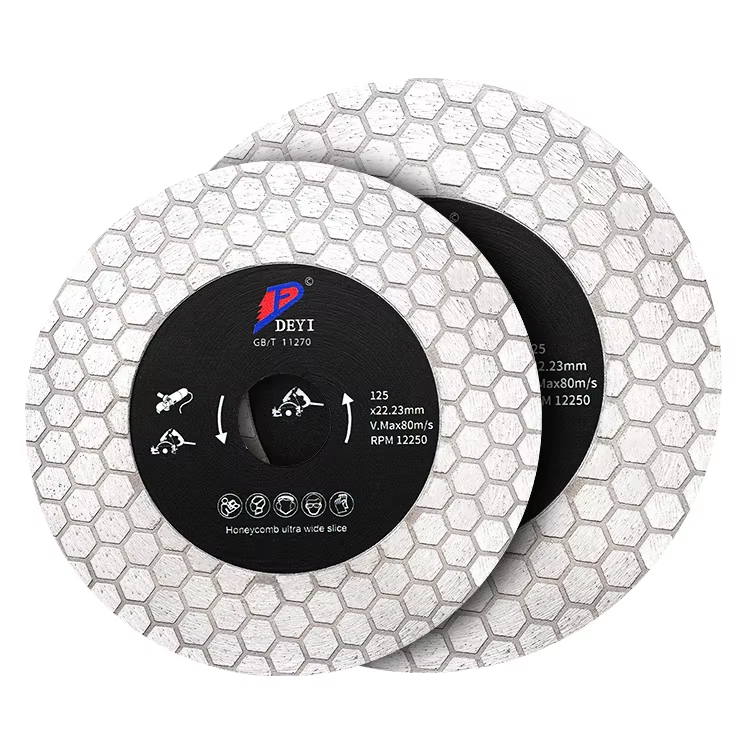
The Unique Challenges of Stained Glass Cutting
Brittleness and Thermal Sensitivity of Annealed Art Glass
Art glass that has been properly annealed offers exceptional optical clarity, something that's hard to match with other materials. However, this same quality comes at a cost since such glass tends to be quite delicate by nature. The material generally can't handle much heat before problems start showing up, usually failing when temperatures exceed around 120 degrees Celsius. Tiny surface flaws also make it prone to developing cracks when subjected to vibrations or abrupt changes in temperature. While the annealing process does help reduce internal stresses within the glass structure, it actually makes the material more brittle in practice. Most experienced glassworkers know that applying force from cutting blades above approximately 0.4 Newtons per square millimeter will almost certainly lead to disastrous breakage. For successful cutting operations, specialized tools are required that not only avoid jerky movements but also manage heat buildup effectively during the process. This attention to detail is essential if manufacturers want to maintain both the structural strength and visual appeal of their finished products.
Why Standard Abrasive Blades Cause Micro-Cracking and Delamination
Traditional abrasive blades tend to apply too much pressure, which actually breaks down the silica structure on a microscopic scale. When grit particles exceed around 70 microns in size, they end up carving away at surfaces and creating tiny cracks less than a tenth of a millimeter deep. These little fractures then grow over time and become noticeable problems when panels are put together. Even worse, the residue left behind from mineral abrasives doesn't just sit there—it reacts chemically with lead came materials. This reaction speeds up corrosion at solder points by roughly three times what it normally would be. The National Stained Glass Association saw this exact issue in their 2022 research on how materials break down. Such damage not only affects how light passes through glass but also compromises the structural integrity of stained glass panels years down the road.
Precision Requirements Demand Optimized Diamond Grit and Concentration
Fine Grit (<40 μm) for Sub-0.05 mm Edge Deviation in Intricate Cuts
Diamond grit finer than 40 microns becomes absolutely necessary when trying to get those edges within 0.05 mm tolerance during intricate stained glass projects. For those delicate curves found in classic Tiffany lamps or elaborate cathedral window designs, there really isn't much room for error. The bigger grit particles actually create harmful vibrations that can crack even the strongest glass materials over time. According to data from the Stained Glass Association of America, about 8 out of 10 professional workshops have experienced serious glass damage problems after switching to coarser blades beyond this micron level. That's why most experienced artisans stick strictly to these fine grit specifications as their basic protection against costly mistakes.
High Diamond Concentration (≥100%) to Prevent Micro-Chipping and Maintain Consistency
A diamond concentration of ≥100% redistributes cutting load across more particles, reducing per-particle stress. This engineering yields three measurable benefits:
- Near-elimination of localized micro-chipping along cut edges
- Stable kerf width over extended use—critical for consistent lead came fit
- 40% longer service life versus standard-concentration blades
The dense, uniform matrix ensures even material removal, especially vital for opalescent and layered glasses prone to delamination under uneven pressure.
Bond Engineering: Matching Thermal Behavior and Wear Rate to Stained Glass Workflows
Resin vs. Metal Bonds: Balancing Heat Dissipation, Edge Sharpness, and Lead Came Compatibility
Resin bonded blades are really good at getting rid of heat, which stops those sudden temperature changes from cracking delicate art glass. But they do tend to wear out quicker when used all day long. Metal bonded blades hold their sharp edges much better for making those exact lead came joints, but there's a catch. The coolant doesn't get into metal bonds as easily, so workers have to cut slower to prevent tiny cracks from forming. When actually working on projects, resin bonds let people cut about 20% faster without worrying about heat damage too much. Metal bonds on the other hand stick around 3 to 5 times longer during big production runs. Still worth noting though, the stiffness of metal bonds sometimes puts pressure on softer lead came materials. That's why we're seeing more hybrid bond designs these days, with special shapes built in to absorb vibrations. These new designs help maintain clean cuts and make putting together panels a smoother process overall.
Continuous Rim Design: Enabling Smooth, Chip-Free Cuts on Curved and Thin Glass
For working with curved shapes and really thin glass below 3mm thickness, the continuous rim design just works better. Segmented blades tend to break materials using impact force, while these unbroken diamond coated edges apply steady pressure across the surface. This helps avoid those stress points where tiny cracks start forming. Tests done at Corning Museum of Glass actually found that this method cuts down on edge chips by around 65% when compared to traditional notched blades. What's more, it fits perfectly into those narrow lead came channels used in stained glass work. Pairing this technique with proper water cooling prevents any thermal shock issues too. The result? A clean finish needed for making sun catchers, decorative lamp shades, or restoring old pieces without having to spend extra time fixing chips or dealing with poor light transmission problems later on.
FAQ
What are the main challenges in cutting stained glass?
Stained glass cutting faces challenges like brittleness, thermal sensitivity, and the risk of micro-cracking and delamination when using standard abrasive blades.
Why is diamond grit important in stained glass cutting?
Fine diamond grit ensures precision and reduces vibrations, preventing damage to the glass. It is essential for maintaining edge accuracy and avoiding micro-chipping.
What is the advantage of using continuous rim design blades?
Continuous rim blades apply steady pressure, reducing stress points and minimizing edge chipping, making them ideal for curved and thin glass cutting.