
 EN
EN
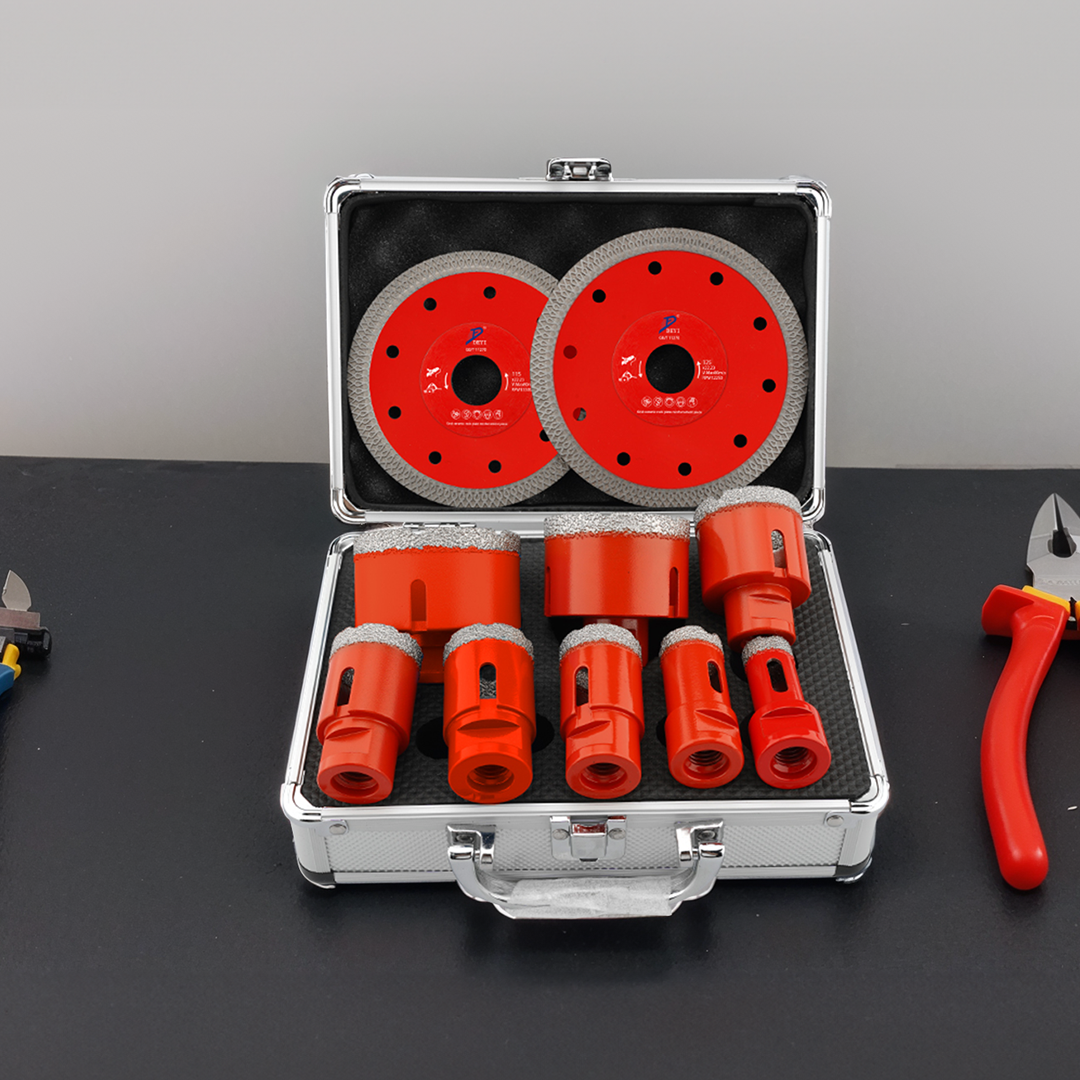
The Fundamental Role of Water Flow Rate in Wet Core Drilling
Understanding water flow rate in the context of wet core drilling
The water flow rate measured in gallons per minute (GPM) plays a key role in managing heat, clearing debris, and providing proper lubrication when drilling into granite with diamond cores. Water needs to do three main things at once: take away the heat generated by friction, wash out the gritty slurry that builds up inside the hole, and help reduce the force needed for cutting. If there isn't enough water flowing, the diamonds on the bit start breaking down faster because they get too hot. On the flip side, turning up the flow beyond what's necessary doesn't really improve results and just ends up wasting resources. Finding the sweet spot isn't about hitting some magic number though. Most experienced drillers aim for around 2 to 2.5 GPM when working with regular 4 inch bits in hard granite formations. This range keeps operations running smoothly without wearing out tools prematurely.
How water enables efficient granite drilling: Cooling, lubrication, and debris control
The role water plays in granite drilling is absolutely critical for success. When the drill bit meets the rock, it generates massive amounts of heat really fast sometimes reaching over 600 degrees Fahrenheit at the diamond contact point. Water helps prevent the diamonds from turning into graphite and stops the metal matrix around them from getting too soft. Another important function is creating a lubricating layer between the bit and rock surface, which cuts down on torque needs by roughly 40 percent according to field tests. The third benefit comes from how water carries away the gritty granite debris as it gets ground up during drilling. This keeps the material from settling back into the hole where it would just get re-ground or cause the bit to wander off course. All these effects combined mean faster drilling speeds typically around 25 to 30 percent improvement and much longer bit lifespan, assuming the water flow stays consistent, has enough pressure behind it, and actually reaches the cutting area properly.
Water Flow Rate and Effective Heat Management in Diamond Core Drilling
Heat generation during granite drilling and the risk of bit overheating
The combination of granite's impressive compressive strength and its quartz content creates serious heat problems when using diamond core drills. Temperatures at the drill interface can hit over 600 degrees Fahrenheit (around 315 Celsius) within just five seconds of operation. All this heat takes a real toll on equipment. The diamonds themselves start to break down through a process called graphitization while the metal bonding material gets softer and develops tiny cracks. Thermal stress remains the number one reason why diamond core bits fail prematurely in tough stone work. Field studies show that about two thirds of all failures come down to this heat issue. When cooling isn't maintained properly, drill segments can warp, separate from their base, or even fly off completely during operation. These kinds of failures not only endanger workers but also bring projects grinding to a halt.
Cooling efficiency: How adequate water flow prevents thermal damage
Water flow plays a key role in transferring heat away from the cutting area through convection cooling before things get too hot. When working with regular 4 inch core bits on granite rock, keeping around 2 to 2.5 gallons per minute flowing consistently can cut down those peak temperatures at the interface by about 400 degrees Fahrenheit when compared to running dry or with minimal water. What really matters though isn't just how much water there is, but how it gets delivered. The best results come when the water flows smoothly and continuously right over the part where cutting happens. If the water stops and starts or doesn't reach all areas properly, this causes rapid temperature changes that wear out the diamonds faster than normal. Keeping good water coverage helps maintain bit temperatures under 300 degrees Fahrenheit, which keeps the cutting surfaces exposed longer and slows down the breakdown of the surrounding material.
Slurry Removal and Lubrication: Optimizing Drilling Performance
The impact of water flow rate on slurry transport and hole cleanliness
Getting rid of slurry works best when there's enough water moving fast enough to actually lift those gritty granite particles up through the annular space. When the flow drops below about 1.8 gallons per minute, it just doesn't have the power to carry away the fine quartz stuff in the slurry, so it builds up around the drill bit instead. What happens next? Well, this buildup creates extra drag, makes the drill wander off course sideways, and increases chances of getting stuck, particularly bad news for deep holes or ones with small diameters. Real world tests at granite drilling sites show that keeping the flow rate above 2.0 GPM really makes a difference. Cleaner holes result, and drilling takes anywhere from 15 to maybe even 30 percent less time in tough rock formations. Why? Because the consistent water pressure keeps things moving smoothly without needing constant adjustments or corrections downhole.
Balancing lubrication to reduce friction and enhance cutting efficiency in hard stone
The effectiveness of lubrication works kind of like finding just the right amount: not enough flow won't create that stable boundary layer we need, which means more friction and wear on components. But go too far in the other direction and the lubricant gets diluted, weakening its ability to resist shear forces and actually making things worse for torque reduction. When operators hit that sweet spot around 2 to 2.5 gallons per minute, they'll notice water forms a proper lubricating layer that cuts down on resistance without flushing away those protective slurry films that keep bits from wearing out so fast. The results speak for themselves too. Bits last about 40% longer when properly lubricated, torque requirements drop by similar margins, and there's fewer cases of premature glazing where heat turns cutting surfaces into glass-like non-cutters. Most experienced operators know consistency matters more than maximum volume anyway. Flow variations mess with both cooling and lubrication at once, creating problems nobody wants to deal with later.
Maximizing Diamond Core Bit Performance and Longevity Through Proper Water Flow
Preventing diamond bit glazing and premature wear with optimal water flow rate
When there's not enough water flowing through the system, things start getting too hot locally, usually around 300 degrees Fahrenheit or higher. At these temperatures, the metal bond begins to melt and actually wraps around the exposed diamond grit particles. What happens next is pretty problematic for cutting operations. The surface becomes super smooth and doesn't have any pores anymore. This makes it impossible for the tool to grab onto granite properly, so instead of cutting, the bit just slides across the surface. Working with granite specifically, this kind of glazing can increase tool wear anywhere from 30 to 50 percent faster than normal. Worse still, it tends to lead to bigger problems down the line such as cracks forming in segments or layers peeling away completely. Getting the right amount of water flow is critical because it keeps temperatures under control, maintains those important metal bonds, and keeps fresh diamond grit exposed throughout operation. Proper flow also helps prevent tiny cracks from developing inside the diamond crystals themselves, which often happens when there are sudden temperature changes due to poor water distribution.
Evidence-based insights: Water flow rate correlation with tool service life
Studies show that managing water flow accurately really makes a difference in how long tools last. When bits get at least 2 gallons per minute, they typically last 40 to 60 percent longer than when running below 1.5 GPM. Why does this happen? There are basically three reasons related to heat. First, proper flow prevents the bonding material from getting too soft. Second, it stops diamonds from turning into graphite, something that happens faster once temperatures hit around 750 degrees Fahrenheit. Third, good water flow eliminates the kind of repeated heating and cooling that creates tiny cracks in the tool segments over time. However, there's a sweet spot here. Going beyond 3 GPM doesn't help much and might actually shorten tool life because the lubrication becomes less effective and the water starts causing extra turbulence instead of helping cool things down properly.
| Flow Rate (GPM) | Avg. Bit Life (ft) | Failure Rate Reduction |
|---|---|---|
| <1.5 | 120–150 | Baseline |
| 2.0–2.5 | 200–240 | 40% |
| >3.0 | 180–210 | 25% |
Common mistakes and best practices in managing water flow for granite applications
Even the best quality bits can fail when certain mistakes happen. For example, if the water flow keeps stopping and starting, it causes serious temperature swings that damage tools over time. When pressure drops too low, the coolant just can't reach where it's needed most at the cutting edge where friction builds up. Misaligned nozzles are another problem because they don't cool evenly across the bit, which often leaves parts at the back getting way too hot. Reliable operation depends on following some proven methods. First off, keep the water flowing steadily between 2 to 2.5 gallons per minute through properly regulated pressure systems. Make sure those nozzles are positioned no more than six inches away from the actual cutting surface so the coolant makes proper contact. Installing inline flow meters with automatic shut off features helps avoid running machines dry, which is a common cause of tool failure. And remember to bump up the flow rate by about 0.3 to 0.5 GPM extra when working with quartz rich materials or really tough granite since these stones wear down equipment faster.
Frequently Asked Questions (FAQ)
Why is water flow rate important in wet core drilling?
The water flow rate is crucial in wet core drilling as it helps manage heat, clear debris, and provide lubrication. This prevents overheating, reduces wear on drill bits, and improves drilling efficiency.
What is the recommended water flow rate for drilling in granite?
Most experienced drillers aim for a water flow rate of 2 to 2.5 gallons per minute when working with 4-inch bits in hard granite formations to balance cooling, lubrication, and debris removal.
How does water prevent diamond bit glazing during drilling?
Water helps keep temperatures under control, preventing the metal bond from wrapping around diamond grit particles and causing glazing. It maintains the metal bond and exposes fresh diamond grit, improving cutting efficiency.
What are common mistakes in managing water flow during drilling?
Common mistakes include inconsistent water flow, pressure drops, misaligned nozzles, and running machines dry. These issues can lead to overheating, uneven cooling, and premature tool failure.
Table of Contents
- The Fundamental Role of Water Flow Rate in Wet Core Drilling
- Water Flow Rate and Effective Heat Management in Diamond Core Drilling
- Slurry Removal and Lubrication: Optimizing Drilling Performance
- Maximizing Diamond Core Bit Performance and Longevity Through Proper Water Flow
- Frequently Asked Questions (FAQ)