 EN
EN
Why Thin-Profile Diamond Blades Increase Kickback Risk
Physics of Binding: How Blade Deflection Triggers Sudden Torque Reversal
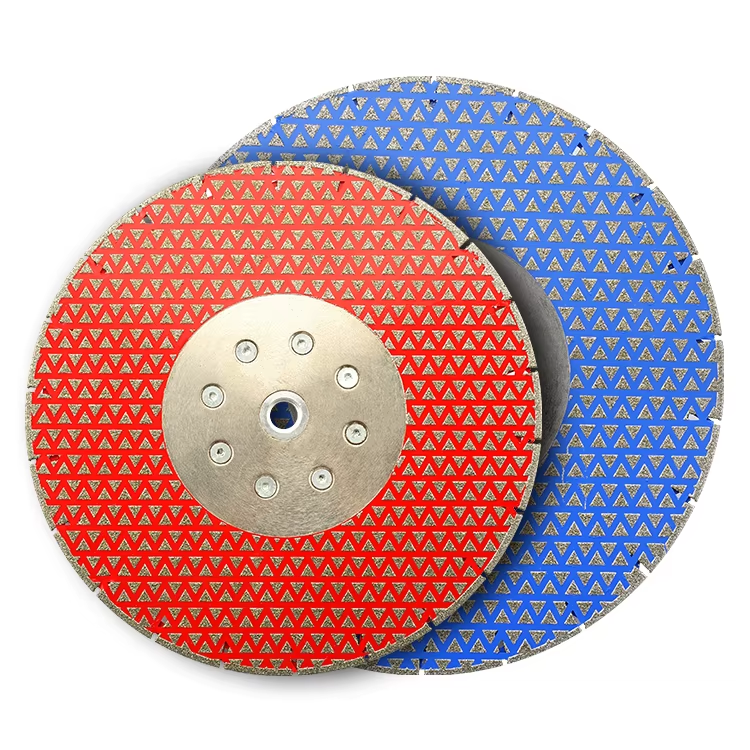
Diamond blades with thin profiles tend to flex quite a bit when used for handheld cutting compared to their thicker counterparts, which creates serious kickback dangers because of how the blade bends. Cutting through tough stuff like concrete or reinforced steel puts lateral pressure on the blade, making it bend and get stuck momentarily in the cut path. What happens next is pretty dangerous: this sticking point builds up rotational energy that suddenly snaps back as torque reversal, sending the whole tool flying backwards towards whoever's holding it at speeds reaching around 40 miles per hour. Rigid blades stay aligned better, while these thinner ones increase deflection risks significantly during curved cuts. Studies from abrasive tool researchers show something like a 68% jump in risk for thin blades according to findings in the International Journal of Abrasive Technology. And here's what makes it so scary: the sudden energy release happens within less than half a second after the blade starts to deflect beyond just 2 degrees angle change.
Structural Trade-Offs: Reduced Rigidity and Heat Dissipation in Thin Profiles
Going for thinner cuts to save materials comes at a cost to two important structural aspects: rigidity and how the blade handles heat. Blades thinner than 0.08 inches have about 30 to 50 percent less torsional stiffness compared to regular ones. This means they vibrate more, which speeds up wear and tear over time. At the same time, there's simply not enough mass in these thin blades to dissipate heat properly. When cutting dry, they hit dangerous temps around 70% quicker than standard blades. The intense heat leads to warped segments and dished out cores, making the cutting surface uneven and causing the blade to bind. Once temperatures get past 400 degrees Fahrenheit or so (which is roughly 204 Celsius), the steel core starts losing its strength. This makes the blade bend more easily, and we all know what happens when that occurs kickback becomes much more likely.
| Blade Thickness | Rigidity Loss | Heat Dissipation Rate | Binding Risk Factor |
|---|---|---|---|
| >0.12" (Standard) | Baseline | 100% | Low |
| 0.08"–0.12" | 15–30% | 65% | Moderate |
| <0.08" (Thin) | 30–50% | 30% | High |
Operators must recognize these inherent trade-offs: while thin blades reduce cutting resistance and material waste, they demand stricter feed control and cooling protocols to prevent kickback caused by structural compromises.
Select and Prepare Tools to Prevent Kickback
Matching Blade Specifications to Material, Tool Power, and Cut Depth
When picking out diamond blades that help prevent kickbacks, there are basically three things to consider together: how hard the material is, what kind of power the tool has, and how deep we need to cut. Thin blades might go faster but they bend easier, which can lead to problems when working through tough concrete or if we push too far down past what the manufacturer says is safe. The bond hardness on these blades matters a lot too. For really hard stuff, softer bonds work better because they don't get glazed over as quickly. And don't forget about RPMs either. The tool should spin at least 15 to 20 percent faster than the blade's max speed to handle those moments when things get rough during cutting. Small blades put extra stress on motors while big jobs with weak tools just won't cut straight. Before starting any job, it pays to check the blade specs against both how abrasive the material will be and how deep we actually need to cut.
Pre-Cut Verification: Sharpness, Damage Inspection, and Mounting Alignment
Always check blades carefully before starting any work following these three basic safety checks. Look at the sharpness first. If the blade looks glazed over with a shiny edge, it creates too much heat which wears down the metal faster and increases chances of breakage. That kind of failure often leads to dangerous kickbacks. Next, scan for any damage. Small cracks around where the blade attaches or missing parts from diamond segments can throw everything off balance and make the blade stick during cuts. Finally, make sure the blade is mounted correctly. When flanges aren't lined up properly or tension isn't even across the whole thing, the blade will wobble instead of staying steady in hand. A good torque wrench should be used to tighten the nut according to what the manufacturer recommends. Getting this right helps keep things centered and controls friction better. According to safety guidelines, doing all this cuts down on vibrations during operation by about 40%.
Apply Proven Techniques to Prevent Kickback During Operation
Controlling Feed Rate, Downward Pressure, and Plunge Depth for Stability
Getting good control over feed rate, downward pressure, and how deep the blade goes matters a lot if we want to avoid kickback issues with those thin diamond blades. For concrete work, going around 1 to 2 inches per second keeps things spinning smoothly without stopping, which helps prevent the blade from getting stuck. Putting too much pressure down actually bends those thin blades out of shape, leading to wobbling that can suddenly twist back on the operator. Better to push with something like 5 to 10 pounds of force just to keep steady contact with what's being cut. When working through tough stuff, stick to about a quarter inch depth each time through. Going deeper than that strains both blade and motor, making kickbacks far more likely. Some real world testing indicates workers who take multiple shallow passes instead of one big cut see roughly 60 percent fewer kickback problems overall.
Operator Positioning, Two-Hand Grip, and Reactive Stance for Torque Management
The way someone stands has a major impact on how well they can control kickback situations. A good stance involves standing with feet about shoulder width apart, knees just a bit bent, and positioning the body so it's not aligned straight with where the blade spins around. Most experienced workers will tell beginners to always hold onto both handles when operating these machines. Put the stronger hand on the back handle while keeping the other hand on the front one, making sure thumbs are tucked under for better control. This kind of grip actually helps fight against those unexpected twisting forces that happen sometimes. When cutting through materials, keep applying steady force opposite to how the tool wants to spin. If things start getting stuck or jammed, let go of the trigger right away. According to research from NIOSH looking at power tool safety statistics, people who've learned proper stance adjustments respond to kickback incidents about 40 percent quicker than those without this training.
Avoid High-Risk Errors That Undermine Kickback Prevention
When people skip basic safety rules, they dramatically raise their chances of getting hurt from kickback when using thin profile diamond blades. Most accidents happen because operators get too far forward or try to cut above shoulder level. Safety studies show around 70% of kickback cases come down to poor body positioning according to the ANSI B7.1 guidelines for abrasive wheels. Forcing a blade that's stuck instead of letting up on pressure can cause dangerous torque shifts. And failing to check blades before cutting for signs of wear or warping makes them more likely to bind. Going beyond what the manufacturer recommends for material hardness or cutting depth basically breaks the blade's built-in kickback protection since thinner blades can't handle the extra strain when used improperly. Good posture matters too. Keep knees slightly bent and feet apart so weight is spread between both hands, which helps fight against sudden rotations. If there's any strange vibrations or resistance while cutting, stop right away. Trying to power through blockages leads to serious cuts in about 8 out of 10 kickback incidents according to workplace injury records. And don't forget to check those vibration dampening grips and automatic torque control systems at least once a month. Worn parts mean slower reactions when things go wrong, and sometimes those few seconds make all the difference.
FAQ
What are the main risks associated with thin-profile diamond blades?
Thin-profile diamond blades increase the risk of kickback due to their tendency to flex more than thicker blades, especially when cutting through hard materials like reinforced steel or concrete.
How can I reduce the risk of kickback when using thin-profile diamond blades?
To reduce the risk of kickback, ensure you match blade specifications to the material and tool, perform pre-cut verification checks, and apply proper techniques like controlling the feed rate and maintaining a two-hand grip.
What should I do if I notice unusual vibrations during cutting?
If you experience unusual vibrations, stop cutting immediately as this can indicate a potential binding or misalignment issue that can lead to kickback.