 EN
EN
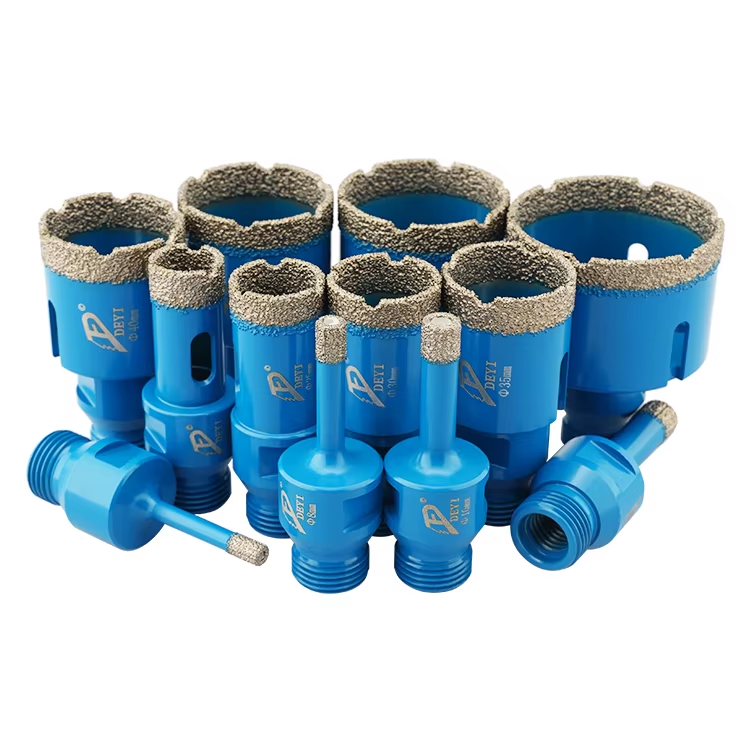
Understanding the unique wear challenges in diamond grinding systems
Diamond grinding systems face accelerated degradation from three primary wear vectors.
Grinding element wear (rollers, rings, liners) as the primary failure driver
The diamond embedded parts used in contact components face serious wear when removing materials. During processing of tough substances, tangential grinding forces often go beyond 55 Newtons per square millimeter, which leads to gradual flattening and eventual breaking of the diamond grains. Wear from this process is actually responsible for more than half of all system breakdowns when running continuously. If left unchecked, the gradual loss of diamond material will reduce surface finish quality somewhere around 30-35%, plus it makes the whole operation consume more energy per unit produced. That's why regular maintenance becomes so important in these high wear environments.
Bearing and drive train stress under continuous abrasive loading
Abrasive particles infiltrate rotating assemblies, accelerating wear in critical components. Micro-pitting occurs 40% faster in grinding system bearings compared to conventional industrial applications. Continuous exposure to particulate contamination generates three key damage mechanisms:
- Surface-initiated fatigue from embedded abrasives
- Lubricant starvation due to seal degradation
- Misalignment forces from uneven load distribution
These factors collectively reduce bearing service life by 50–70% in high-silica environments.
Secondary failure risks from unmonitored mechanical and thermal fatigue
Cyclic stresses induce micro-cracking in structural components, while localized temperatures exceeding 400°C create thermal gradients that accelerate fatigue. Unmonitored systems experience:
- Stress-corrosion cracking in cooling jacket welds
- Gearbox distortion from uneven thermal expansion
- Insulation breakdown in motor windings
Left undetected, these failure modes cascade into catastrophic breakdowns costing plants an average of $162k per incident in lost production.
How predictive maintenance detects early signs of equipment degradation
Vibration and thermal signature analysis for fault detection in contact zones
Predictive maintenance works by spotting problems in components long before they fail, mainly through looking at how things vibrate and checking temperatures. The sensors pick up on tiny changes in how bearings resonate when particles get inside them. These particles are actually one of the main reasons parts break down early. Even a misalignment of just half a millimeter can make wear happen three times faster than normal. At the same time, thermal imaging helps find hot spots where materials touch each other. If something gets more than 15 degrees Celsius hotter than usual, it usually means either the lubrication has failed or there are cracks forming in tools that have diamonds built into them. Studies from tribology research in 2023 showed these combined methods catch about 92% of issues with bearings and rollers before anyone even hears anything wrong happening. Of course, getting all this equipment set up right takes some work, but the payoff is worth it for most industrial operations.
IoT sensors and real-time monitoring in harsh industrial environments
In the harsh conditions of diamond grinding systems, rugged accelerometers and thermocouples make it possible to monitor equipment conditions continuously. These industrial sensors send live performance metrics to cloud based analytics through special wireless mesh networks designed for tough environments. They can handle humidity levels around 95% RH and work reliably even when temps reach 80 degrees Celsius. The machine learning software behind these systems analyzes all this information to build what's normal for operations, then flags anything unusual such as increased vibrations during heavy load periods which often means problems with the drive train components. Compared with regular maintenance checks, this method cuts down on false alerts by about 40 percent. Plus, it catches those short lived failure signs that standard inspection routines just don't pick up on.
Predicting failure and estimating remaining useful life of critical components
Data-driven modeling of degradation trends in diamond-impregnated parts
Predictive maintenance these days relies heavily on artificial intelligence to look at all sorts of sensor information like vibrations, heat patterns, and how fast materials are wearing away. The AI systems can spot tiny changes in how things are performing way before anyone would notice something's wrong just by looking or feeling it. These smart algorithms connect what's happening during operation with the actual wear and tear on tools over time. When manufacturers keep feeding their systems live data from toughened sensors, they end up creating specific wear profiles for each part. This helps them see problems coming long before they become serious issues that shut down production lines unexpectedly.
Remaining useful life (RUL) estimation using AI and historical performance data
Getting accurate Remaining Useful Life forecasts means combining past failure records with current equipment performance data using machine learning techniques. When it comes to diagnostics, vibration spectrum analysis shows how much stress bearings are taking when loaded, and thermal imaging picks up unusual friction points in drive systems. Studies published in journals like Mechanical Systems and Signal Processing show that these AI powered systems can actually predict when failures might happen with around 7 to 10 percent accuracy, looking at factors including material strength and production volume numbers. Switching from fixed schedule maintenance to this condition based approach not only makes parts last longer about 25 to 40 percent longer but also stops those expensive chain reactions where one problem causes multiple other issues down the line.
Reducing unplanned downtime and improving operational reliability
Early intervention strategies to prevent cascading failures in 24/7 operations
The shift to predictive maintenance changes how industrial grinding systems work, moving them away from just fixing things after they break down to actually preventing problems before they happen. With continuous vibration checks, we can spot when bearings start showing signs of wear even under tough grinding conditions. Thermal sensors also help catch hot spots developing in those areas where diamonds are embedded into the grinding surface. Being able to schedule repairs during regular shutdown times makes all the difference for factories running around the clock. Just think about it - according to Aberdeen Group's latest report from 2023, every hour lost due to unexpected equipment failure costs manufacturers roughly $260,000. That kind of money adds up fast if something breaks down on a weekend shift.
Quantifying reliability gains and maintenance cost savings
Plants implementing RUL forecasting reduce unplanned downtime by 45% on average while extending equipment lifespan by 20–35%, based on manufacturing case studies from the U.S. Department of Energy's Advanced Manufacturing Office. These improvements directly translate to:
- Resource optimization: 30% lower spare parts inventory costs
- Labor efficiency: 50% reduction in emergency repair workloads
- Output consistency: 18% higher OEE (Overall Equipment Effectiveness)
These operational efficiency gains compound into 25–40% lower annual maintenance expenditures while eliminating 90% of catastrophic failure risks. The data-driven approach delivers quantifiable ROI metrics that justify technology investments within two production cycles.
FAQs
What are the primary causes of wear in diamond grinding systems?
The primary causes of wear include grinding element wear, bearing and drive train stress from abrasive particles, and mechanical and thermal fatigue.
How does predictive maintenance enhance operational reliability?
Predictive maintenance utilizes techniques like vibration and thermal signature analysis and IoT sensors for real-time monitoring to spot potential failures early, preventing cascading issues and reducing unplanned downtime.
What technology is used to predict the remaining useful life of components?
AI and machine learning techniques are used to analyze historical performance data and current sensor information to accurately predict the Remaining Useful Life of components, enhancing maintenance scheduling efficiency.
What are the operational benefits of implementing predictive maintenance?
Implementing predictive maintenance leads to reduced unplanned downtime, extended equipment lifespan, lower spare parts inventory costs, and improved Overall Equipment Effectiveness, translating to substantial cost savings.