
 EN
EN
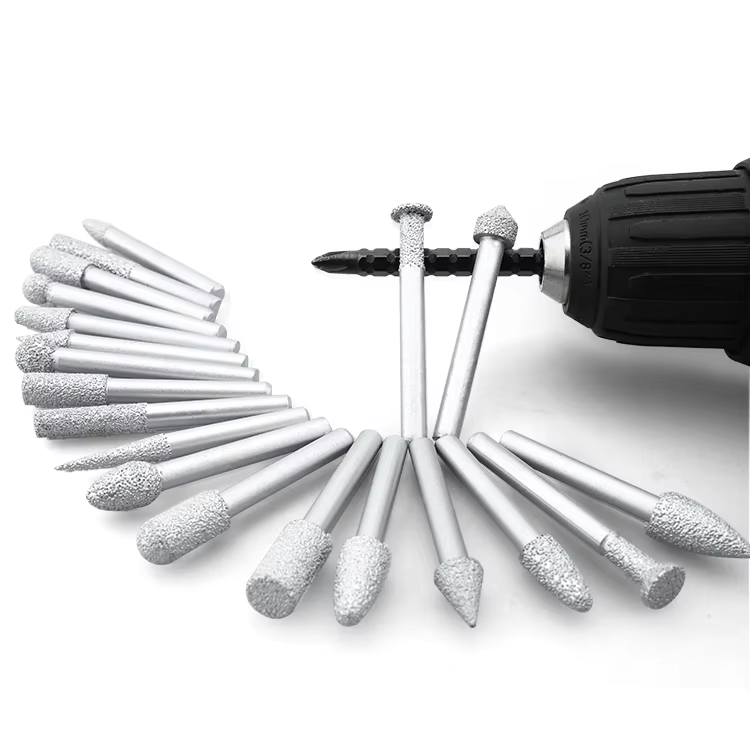
The Robotics Precision Finishing Imperative: Why Sub-Micron Consistency Demands Diamond-Level Tooling
Kinematic Stability and Closed-Loop Control Enable Repeatable Surface Integrity
Modern robotic systems reach incredible levels of precision down to sub-micron levels thanks to their rigid mechanical structures and continuous feedback mechanisms. These systems basically eliminate problems caused by vibrations that would normally deflect tools off course, keeping position accuracy within just half a micron even when running at top speed. The robots are equipped with force detection equipment and smart software that constantly tweaks cutting settings while the process is happening, which helps handle variations in materials being worked on. What makes this whole system work so well is that it maintains extremely smooth surfaces with roughness measurements below 0.1 microns across entire production runs. That represents roughly three times better results than what skilled workers can achieve manually. For all this to happen reliably, diamond cutting tools are absolutely necessary since regular abrasive materials simply break down too quickly under such demanding operating conditions.
Case Evidence: EV Powertrain Polishing — 42% Reduction in Surface Variability with Robotic Cells
According to research published in 2023 by one of the top tooling companies around, their tests showed that using robotic cells for polishing electric vehicle powertrain gears cut down on surface variability by about 42 percent compared to what happens with manual finishing methods. Components treated this way lasted roughly 15% longer during stress tests too. The robots kept track of cutting forces and temperatures throughout the process, which helped stop those tiny fractures that often show up in older techniques. These small flaws tend to make parts wear out much faster in high performance EV applications, so preventing them makes all the difference in reliability and longevity for manufacturers looking to improve their products.
Precision Diamond Finishing Tools as the Critical Enabler of Robotics Precision Finishing
From Manual Diamond Lapping to PCD/PCBN-Embedded Robotic End Effectors
Moving away from old fashioned diamond lapping techniques toward robotic end effectors embedded with Polycrystalline Diamond (PCD) and Polycrystalline Cubic Boron Nitride (PCBN) represents something of a revolution in how precisely we can manufacture parts these days. The latest robotic grinding cells now use diamond tipped tools that hit sub micron levels of repeatability, which basically solves all those problems with inconsistencies that plagued traditional methods when working on components requiring tight tolerances. For industries like aerospace engineering and medical device manufacturing, getting the surface finish right matters a lot because it affects how well the finished product actually performs. When manufacturers embed these super hard materials directly into their robots, they eliminate all that human error factor and maintain around plus or minus 0.1 microns accuracy even after thousands upon thousands of production cycles. That kind of consistency simply wasn't possible back when people were still using conventional cutting tools.
Advanced Bonding & Coating Innovations Extend Tool Life by 3.2× in High-Cycle Robotic Deburring
Recent advances in how metals bond together along with special nano composite coatings are making diamond tools much tougher for those tough robotic deburring jobs. These nano layered titanium carbide coatings cut down on wear from abrasion by around two thirds. At the same time, when different materials get diffusion bonded at their interfaces, it stops those tiny cracks from forming in the PCD matrix material. All told, this combination makes diamond tools last about three times longer during those intense automotive transmission machining operations where spindles spin over 25 thousand RPM. With such improved durability comes significant savings too. Tool changes happen 53 percent less often, which means fewer interruptions. Plus there's less debris getting into sensitive parts during assembly. This lets factories run non stop day after day producing critical components such as electric vehicle drivetrain casings and medical grade orthopedic implants without worrying about quality issues.
Economic and Operational Drivers Accelerating Adoption
TCO Advantage: 27% Lower Total Cost of Ownership Despite Higher Initial Investment (Deloitte, 2023)
According to Deloitte's 2023 report, robotic precision finishing systems actually cost about 27 percent less overall when looking at five years of ownership versus doing things manually. The upfront spend on those fancy diamond tools and setting up robotic cells does run higher initially. But companies save big money down the road because they need fewer workers, there's way less wasted work needing fixes, and their tools last much longer than before. When it comes to surface finishing, automation keeps everything within tight specs while the tools themselves last around three times longer during repetitive deburring tasks. That means spending far less on replacement parts and consumables. For industries that require heavy investment like car manufacturing and energy production, getting this kind of precision right matters a lot since it directly affects how long products will actually last in real world conditions.
Scalability and Consumables Optimization in High-Mix, Low-Volume Aerospace & Medical Manufacturing
Aerospace and medical manufacturing companies are finding robotic grinding cells incredibly useful for switching between different specialized parts like turbine blades and orthopedic implants, all while still achieving those super fine surface finishes at the sub-micron level. These systems can handle various materials repeatedly without needing constant tool changes, which saves a lot of time during production runs. The way these machines control pressure has made a real difference too. Manufacturers report cutting down on diamond abrasive waste by around 40% compared to traditional methods. That kind of efficiency matters a lot when producing small batches of expensive components. What makes this technology stand out is how it bridges the gap between prototypes and actual mass production, something that's absolutely necessary in industries where even the smallest defect isn't acceptable according to strict regulatory requirements.
Frequently Asked Questions (FAQ)
What is sub-micron precision in robotics?
Sub-micron precision refers to the ability of robotic systems to achieve position accuracy within less than one micron, ensuring extremely smooth and consistent surface finishes.
Why are diamond tools essential for robotic precision finishing?
Diamond tools are critical because regular abrasive materials degrade quickly under demanding conditions of precision finishing, while diamond tools offer durability and consistent performance.
How does robotic finishing benefit EV powertrain manufacturing?
Robotic finishing enhances EV powertrain manufacturing by significantly reducing surface variability and increasing component durability, thus improving reliability and longevity.
What advantages do robotic precision finishing systems offer economically?
Despite higher initial investment, robotic precision systems lower the total cost of ownership through reduced labor, less waste, and longer tool life.
Table of Contents
- The Robotics Precision Finishing Imperative: Why Sub-Micron Consistency Demands Diamond-Level Tooling
- Precision Diamond Finishing Tools as the Critical Enabler of Robotics Precision Finishing
-
Economic and Operational Drivers Accelerating Adoption
- TCO Advantage: 27% Lower Total Cost of Ownership Despite Higher Initial Investment (Deloitte, 2023)
- Scalability and Consumables Optimization in High-Mix, Low-Volume Aerospace & Medical Manufacturing
- Frequently Asked Questions (FAQ)
- What is sub-micron precision in robotics?
- Why are diamond tools essential for robotic precision finishing?
- How does robotic finishing benefit EV powertrain manufacturing?
- What advantages do robotic precision finishing systems offer economically?