
 EN
EN
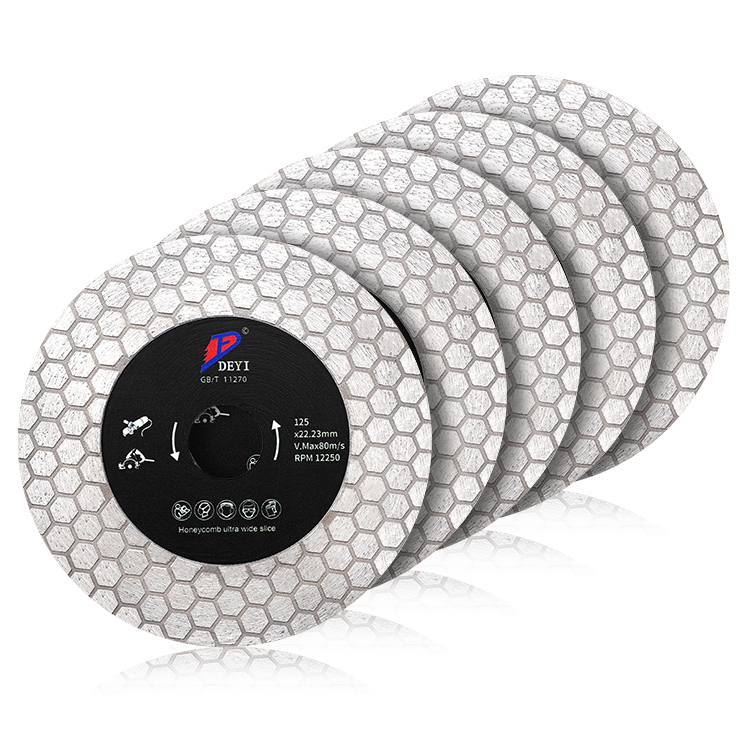
Fundamental Material Differences: Hardness, Composition, and Abrasion Mechanisms
Quartz’s high silica content (93–97%) and Mohs 7 hardness versus marble’s soft calcite matrix (Mohs 3–4)
Quartz engineered stone typically contains around 93 to 97 percent silica, which gives it a Mohs hardness rating of about 7. That makes it roughly four times harder than marble, which mainly consists of calcite with a much lower Mohs rating between 3 and 4. Because of this huge difference in hardness, we need completely different sets of tools when working with these materials. Quartz is extremely abrasive and wears down diamond tools pretty fast, especially since it creates micro fractures that release those sharp silica particles. Marble requires a gentler approach altogether to avoid damaging its surface during processing. When someone tries using marble cutting tools on quartz, they'll find the diamonds break apart quickly because the bond isn't strong enough. On the flip side, quartz optimized tools will actually chip or gouge marble surfaces if used incorrectly. For best results across both materials, having specific diamond tools tailored to each material type remains absolutely critical for achieving good precision, extending tool lifespan, and maintaining surface quality standards.
How micro-fracturing in quartz accelerates diamond wear, while marble’s ductility causes smearing and glazing
When we cut through engineered quartz, it creates tiny fractures at the crystal boundaries. These fractures release fine silica particles that behave almost like sandpaper against diamond grit surfaces. What makes this problematic? Well, those particles can cause diamond tools to wear down up to five times faster than when working with softer materials. Marble behaves completely differently though. Instead of fracturing, it deforms plastically when subjected to friction. The calcite matrix in marble actually smears across tool surfaces under pressure, leading to clogs and creating a glazed surface layer. This glaze hides underlying defects and really messes with proper material removal while also affecting the final polish quality. Given these opposite challenges, diamond tools need specially designed bond systems. They have to be tough enough to handle quartz's abrasive nature but still allow for some controlled wear so they don't get clogged when working with marble surfaces.
Bond Matrix Engineering: Matching Tool Hardness to Substrate Behavior
Metal bonds for engineered quartz: resistance to abrasive pull-out and thermal stability under high silica load
Engineered quartz is really tough stuff because of its high silica content, which means regular diamond tools just won't cut it. That's why professionals rely on special diamond tools with metal bond matrices instead. What makes these bonds so good? They hold up against the diamond getting pulled out even when subjected to serious abrasion. Plus, they stay stable at temperatures well over 600 degrees Fahrenheit something that happens all the time with dry cutting methods. This stability matters a lot because it stops diamonds from turning into graphite those little crystal structures breaking down when things get too hot. Looking at actual shop floor data, metal bonded tools typically last about three times longer than standard options for quartz work. Fewer tool changes mean around 30% savings on replacements during slab production runs, and this translates into real money saved on consumables over time for fabricators working with this material regularly.
Resin bonds for marble: controlled wear rate and conformability to prevent edge chipping and achieve polish
Because marble is naturally soft and tends to bend instead of break, it works best with tools made using resin bonds. These tools slowly wear down over time, revealing new diamond particles as they go. This gradual wearing process helps prevent too much pressure from building up at any one spot, which cuts down on those annoying chips along edges. Resin gives the cutting tool some give, letting it follow the natural contours of the stone surface. Pressure gets spread out more evenly across the work area, so there's less chance of damaging what's underneath the surface. Getting that smooth, glass-like finish requires this kind of even contact between tool and material. Industry tests show that when working with resin bonded tools, workers see about 47 fewer instances of chipping per hundred pieces, plus polishing takes around 35 minutes less than with traditional metal bonded options. That makes a big difference in production shops where speed matters just as much as quality.
Diamond Grit Design: Concentration, Geometry, and Loading Resistance for Each Stone Type
High-concentration (25–35%), turbo-segmented metal tools minimize loading on engineered quartz
Engineered quartz can be really tough on diamond tools because of how abrasive it gets during cutting operations. That's why most quality tools have these high grit concentrations ranging from about 25% to 35%, all packed into metal bonds. When there's enough diamond material packed in there, the tool lasts longer before losing its cutting edge. Now for those turbo segmented rims we see on many modern blades, they actually help manage heat buildup which prevents that annoying glazing effect everyone hates. Plus, the way these segments are shaped means fresh diamonds keep getting exposed as the tool wears down over time. This helps fight off problems like micro fractures and silica buildup that would otherwise dull the blade much faster than normal.
Low-concentration (15–20%), continuous-rim resin tools maximize edge integrity on marble
When working with marble, keeping diamond concentrations between 15% and 20% in resin bonds actually makes the cutting process gentler. This helps avoid those frustrating issues like edge chipping and surface blemishes that can ruin the final product. Marble cutters often prefer continuous rim designs because these distribute cutting forces evenly throughout the stone's calcite structure. The even pressure distribution stops the kind of localized stress points that create unsightly smears on finished surfaces. As the resin wears down over time, it keeps the diamonds exposed at just the right level. This gradual wear pattern maintains the proper grit shape needed for consistent polishing results while still protecting the edges from getting damaged during the process.
Real-World Performance Validation: Industry Data and Application Best Practices
The numbers don't lie when it comes to material-specific diamond tools making a real difference in shop performance and final product quality. When working with engineered quartz, metal-bonded turbo segmented tools last around 40% longer than run-of-the-mill options according to field tests across multiple fabrication centers. Marble presents different challenges altogether. Resin bonded continuous rim tools cut down on those frustrating edge chips by roughly 60%, mainly because they control how much diamond actually contacts the stone surface during cuts. Most experienced fabricators know three things by heart: never let quartz get too hot during dry cutting since diamonds can turn to graphite if bonds aren't stable enough; keep marble polishing speeds below 3,000 RPM to prevent unsightly burns on the surface; and shops that switched to specific tooling for each stone type saw their rework rates drop dramatically. Shops processing more than 500 slabs per month typically save about 22% on consumables once they establish proper protocols. Why? Because these specialized tools wear predictably and stop problems like quartz dust eating away at marble cutting equipment over time. This isn't just theory floating around trade journals anymore. Fabrication shops across North America have been seeing these results firsthand for years now.
FAQ: Understanding Diamond Tool Use for Quartz and Marble
Why do quartz and marble require different diamond tools?
Quartz is highly abrasive due to its high silica content, while marble is softer and more ductile. Each requires specialized diamond tools tailored to their hardness and behavior during cutting and polishing.
What happens if wrong tools are used on quartz or marble?
Using marble tools on quartz can cause rapid diamond wear, while quartz tools can chip marble surfaces due to mismatched tool hardness and substrate behavior.
Why is metal bond preferred for quartz, and resin bond for marble?
Metal bond tools resist abrasive wear for quartz, ensuring stability under high temperatures. Resin bond tools provide softer wear ideal for marble’s ductile nature, preventing edge chipping and ensuring a polished finish.
Table of Contents
- Fundamental Material Differences: Hardness, Composition, and Abrasion Mechanisms
- Bond Matrix Engineering: Matching Tool Hardness to Substrate Behavior
- Diamond Grit Design: Concentration, Geometry, and Loading Resistance for Each Stone Type
- Real-World Performance Validation: Industry Data and Application Best Practices
- FAQ: Understanding Diamond Tool Use for Quartz and Marble