
 EN
EN
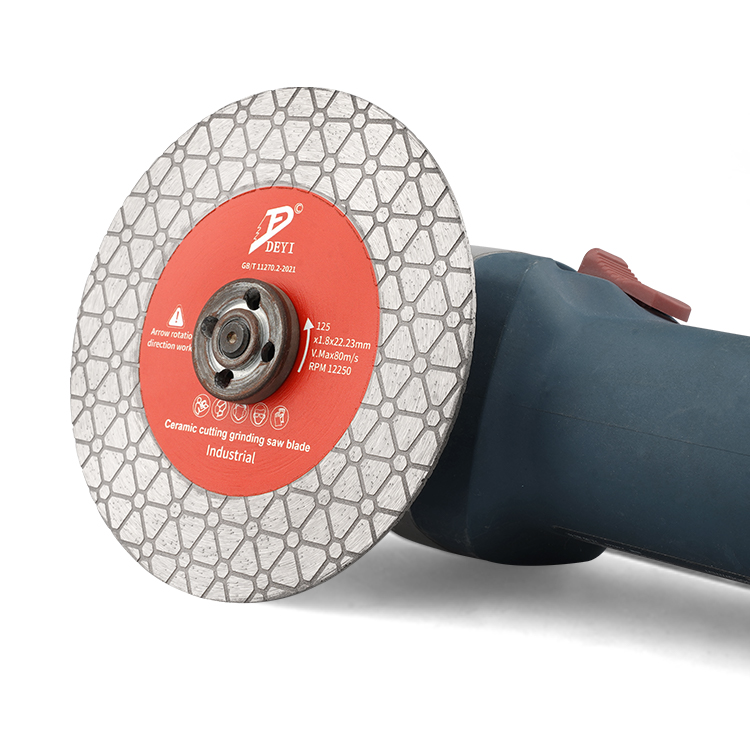
High Ambient Temperatures: Thermal Stress, Warping, and Premature Failure
Heat-Induced Core Expansion and Diamond Segment Detachment Risk
When temperatures climb past 40 degrees Celsius, steel cores inside diamond blades start expanding quite a bit because they have this really high thermal expansion coefficient. What happens next is pretty concerning for anyone working with these tools. The expansion leads to all sorts of stress between the core material and those diamond segments attached to it. Things get even worse if the bonding material doesn't expand at the same rate as the steel core does. This mismatch often causes parts to come loose while cutting operations are underway. Sometimes the situation gets so bad that the whole core warps, making the blade wobble around instead of cutting straight lines. We've seen plenty of evidence from construction sites during hot summer months where blades lose about 30% of their structural strength simply because of heat related stress. And guess what? These problems tend to happen right when temperatures spike unexpectedly.
Case Evidence: 37% Blade Life Reduction at 42°C in Phoenix Outdoor Renovation Sites
Field tests conducted in Phoenix showed blades lasted about 37% less time when working at 42 degrees Celsius versus normal conditions around 25 degrees. The main reason? Thermal fatigue builds up over time as blades go through constant heating and cooling while cutting concrete, which weakens the bonds holding everything together and eventually cracks those precious diamond segments. Workers noticed way more problems with sections falling off during those brutal July heat waves - roughly five times more than usual. These real world observations line up pretty well with what the computer models predicted about faster wear rates. What we're seeing here is basically how regular old heat can take small stress points and turn them into major breakdown issues down the road.
Low Ambient Temperatures: Embrittlement, Thermal Shock, and Cutting Inefficiency
Steel Core Embrittlement Below 0°C and Accelerated Crack Propagation
When temperatures drop below freezing, steel cores experience something called a ductile-to-brittle transition which can cut their impact resistance almost in half sometimes as much as 40%. Those tiny little flaws we usually ignore become big trouble spots when cold weather hits because the metal contracts unevenly, creating these stress points right where problems start. Field observations back this up too cracks tend to spread way faster when cutting tools are used in subzero conditions. At minus 15 degrees Celsius compared to room temperature around 20 degrees, fractures happen three times more often according to actual job site data. For contractors working on construction projects up north during winter months, this means dealing with tools that just aren't as tough anymore. Workers have learned they need to take shallower cuts and keep checking equipment constantly both visually and by listening for those telltale sounds of impending failure.
Wet-Cutting Thermal Shock Failures in Subzero Conditions
When working in freezing temperatures, water cooling for cutting tools causes major problems with thermal shock. The hot parts of blades shrink quickly when they hit coolant that's almost frozen, which creates cracks inside the material. Construction reports show that around 78 out of 100 failures during wet cutting below -5 degrees Celsius happen because of this cracking effect. At the same time, coolant gets thicker in cold weather, making it about 30% less effective at transferring heat. This leads to spots getting too hot, which breaks down the diamond bonds even more. Some companies try using coolant mixed with glycol or switch to dry cutting now and then, but these workarounds usually slow down projects by roughly 15 to 20% during winter months according to field experience.
Ambient Temperature Effects on Bond Systems: Resin vs. Metal Stability Across Seasons
Resin Bond Softening Above 35°C and Resulting Diamond Loss
When temperatures climb past about 35 degrees Celsius, resin bonds start to soften and lose their grip on diamond grit particles. The polymer matrix gets all wobbly and unstable, which means diamonds fall out much quicker than they should. We're talking around 40% faster wear rates in really hot environments compared to when things are just right temperature wise. What happens next? Less accurate cuts and way more heat building up from friction. That extra heat actually makes the whole thing worse over time because it keeps breaking down those bonds even more. If someone wants their tools to last through summer months without constant replacements, cutting sessions need to be shorter and cooling methods upgraded. Misting systems work wonders or just bumping up the coolant flow rate will make a big difference in maintaining tool integrity during warmer operations.
Metal Bond Over-Hardening Below â10°C and Reduced Abrasive Efficiency
When temperatures drop below -10 degrees Celsius, metal bonds get really stiff which stops the normal wearing process and keeps fresh diamond crystals from coming through. What happens next is something called glazing, basically creating a smooth surface that just doesn't cut well anymore. Tests show cutting speeds can actually drop around 30 percent when working in these freezing conditions. Another problem comes from this hardened matrix structure making tools much more prone to chips and cracks when they hit anything hard. That's why during winter months, operators need to slow things down quite a bit with their feed rates and switch to specially made cold weather bonds if they want to keep removing materials at acceptable rates while still getting decent life out of their tools.
Secondary Ambient Temperature Effects: Cooling Collapse and Substrate Hardness Shifts
Ambient temperature plays a major role in how tools perform and how materials react during outdoor work projects. When temps rise, water cooled systems lose their effectiveness faster through evaporation, which cuts down on heat dissipation by around 30% in dry areas. This can lead to dangerous situations where blades get so hot they start to break down diamonds at about 700 degrees Celsius. Meanwhile, different surfaces behave differently with temperature swings. Concrete actually becomes harder when it gets cold, gaining roughly 15% stiffness under 5 degrees Celsius. But asphalt tells a different story, getting much softer once temperatures hit 35 degrees or higher. These material changes directly affect how hard it is to cut through things. Brittle materials wear down cutting tools quicker, whereas softer surfaces put more strain on the cutting segments. For anyone working in the field, keeping track of these temperature effects and adjusting coolant levels according to seasons is essential if they want to maintain good cutting results and extend the life of their equipment.
FAQ
How do high ambient temperatures affect diamond blade segments?
High ambient temperatures cause steel cores to expand, creating stress between the core and diamond segments. This stress can lead to detachment, warp, and reduce the blade's structural integrity.
What are common problems with diamond blades in freezing temperatures?
Freezing temperatures can lead to embrittlement, accelerated crack propagation, and water cooling issues causing thermal shock failures.
How do resin bonds react to warmth above 35 degrees Celsius?
Resin bonds soften and destabilize above 35°C, leading to faster diamond wear and less accurate cutting due to increased friction.
What adjustments are necessary for cutting work in extreme temperatures?
Adjust coolant flow rates, use misting systems for heat management, adopt shorter cutting sessions in warm weather, and specialize cold weather bonds for efficient performance in freezing conditions.
Table of Contents
- High Ambient Temperatures: Thermal Stress, Warping, and Premature Failure
- Low Ambient Temperatures: Embrittlement, Thermal Shock, and Cutting Inefficiency
- Ambient Temperature Effects on Bond Systems: Resin vs. Metal Stability Across Seasons
- Secondary Ambient Temperature Effects: Cooling Collapse and Substrate Hardness Shifts