
 EN
EN
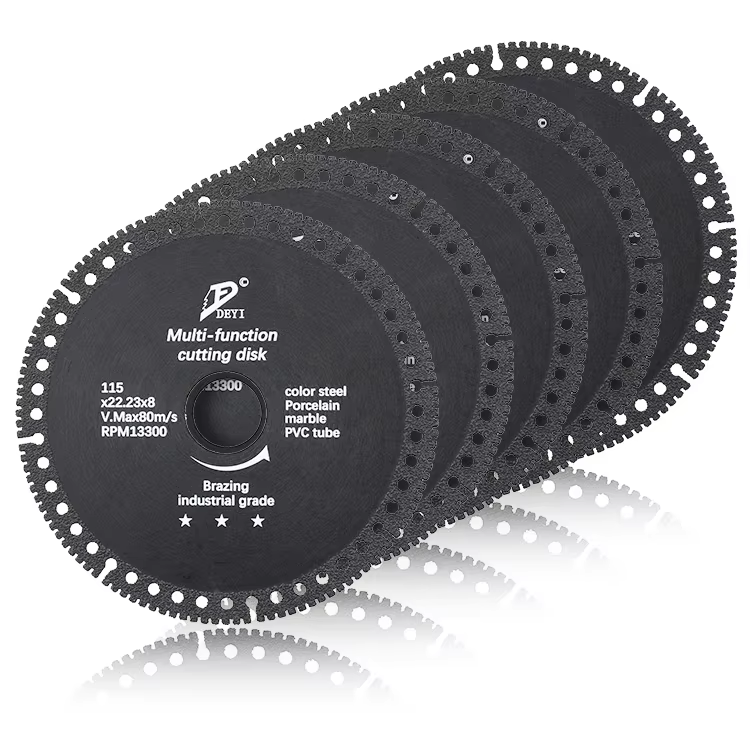
Granite's Hardness and Abrasiveness Require Specialized Diamond Blades
Understanding granite's high density, quartz content, and Mohs hardness (6.5–7)
Granite stands out as one of nature's toughest stones, boasting a density range between 2.63 and 2.75 grams per cubic centimeter along with a Mohs hardness rating from 6.5 to 7. What makes granite so durable? Well, it contains around 35% quartz, which itself scores a solid 7 on the Mohs scale. This creates a tightly packed crystal network that really fights back against attempts to deform it, often breaking in unexpected ways when subjected to cutting forces. Regular blades meant for softer materials like marble simply cannot handle granite's tough combination of hardness and density before they start losing their edge quickly. That's why professionals turn to specialized diamond blades with specially formulated metal bonds. These aren't just random components but carefully engineered solutions designed to last longer, hold onto those precious diamonds better, and ultimately put less stress on expensive bridge saw equipment over time.
Why silica content (>20%) accelerates wear on standard blades
The silica content in granite typically goes above 20%, making it act like a really rough natural abrasive that wears down regular blades pretty fast. When this happens, the diamonds on the blade get exposed too soon, which causes problems like glazing over, chips forming, and overall poor performance particularly when doing those fast feed cuts or following complex contours. Special blades designed for granite work around these issues through better heat management in their segments and bonds that wear at controlled rates, keeping the cutting going smoothly and maintaining consistent cut widths. Tests on bridge saws show ordinary blades break down about 40% quicker when dealing with high silica materials. That's why proper blade design isn't just nice to have but absolutely essential if anyone wants to fabricate granite reliably without constant blade replacements.
Diamond Segment Engineering for Optimal Granite Cutting
Sandwich and multi-layer segments for heat dissipation and kerf stability
The multi layer construction of segments, with alternating diamond rich and metal bond layers, acts as a built in thermal barrier when running high RPM bridge saws. These segmented designs actually get rid of cutting heat about 40% quicker compared to solid segments. They also maintain consistent kerf widths so there's no warping issue, even when making long cuts through slabs thicker than 3 cm where temperatures at the interface can hit over 600 degrees Fahrenheit. Coolant channels machined with precision inside these segments deliver cooling right where it's needed most at the cutting area. This helps reduce those tiny fractures caused by friction in granite materials and allows for cleaner, more stable cuts throughout entire slab profiles without compromising quality.
Balancing diamond concentration (25–35%), grit size (30/40–40/50), and bond hardness
Optimal performance hinges on precise calibration across three interdependent parameters:
| Parameter | Granite Range | Effect on Performance |
|---|---|---|
| Diamond Density | 25–35% | Higher density = longer blade life |
| Grit Size | 30/40–40/50 | Coarser grits = faster cutting |
| Bond Hardness | Medium-firm | Softer bonds = better sharpness |
Manufacturers match coarser 30/40 grits to high-silica granites for aggressive material removal, while finer 40/50 grits suit complex, veined formations requiring refined edge control. The bond matrix must erode gradually—exposing fresh diamonds without premature shedding—particularly critical when cutting engineered quartz composites containing >90% silica, where thermal and abrasive demands peak.
Avoiding pitfalls: Over-hardened bonds vs. premature diamond shedding
When bonds get too hard, they lead to glazing problems where diamonds start polishing instead of cutting properly. This makes the machine work harder, sometimes needing up to 28% more force which wears down motors and bearings faster than normal. On the flip side, if bonds are too soft, diamonds fall out before they can do their job, wasting about a third of what those segments could actually achieve. That's why specialized blades matter so much these days. They use bonds that have been specially heat treated to hold together even after going through countless heating and cooling cycles during regular use. What does this mean practically? Well, diamonds stay exposed consistently without all that annoying break-in time we used to deal with. And there's way less chipping happening, which is super important when working on things like intricate waterfall edges or those ultra thin countertops that demand precision cutting every single time.
Bridge Saw Dynamics Demand Precision-Engineered Blade Performance
Operating under high linear speeds (2,800–3,200 SFM) and variable feed rates
Operating at blistering linear speeds between 2,800 and 3,200 Surface Feet per Minute (SFM), bridge saws create massive centrifugal forces along with serious thermal stress. Regular diamond blades just can't handle all this punishment, especially when doing those tricky variable feed cuts around contours. What happens? Well, segments start falling off, the blade core gets distorted, sometimes even complete failures occur. That's why we need those specially made precision blades with their tensioned steel cores and carefully positioned expansion slots. These design features actually soak up the mechanical shocks and keep the blade running straight without wobbling. And let me tell you, this matters a lot for high quartz granite work because any vibration gets magnified and causes terrible edge damage that nobody wants to see.
Maintaining stability during prolonged slab profiling and intricate cuts
When cutting granite slabs continuously, regular blades get worn down from all that constant friction and build-up of heat. What happens? The blades start drifting off course, which can lead to kerf deviations as much as 0.5mm after just half an hour of operation. That's why specialized blades are so important these days. These advanced blades have those layered segments with copper heat sinks built right in. They actually manage to shed heat about 40% quicker than standard ones, keeping cuts accurate even when tackling tricky shapes like waterfalls or curved edges. The coolant channels in these blades also do a better job at flushing out the slurry, stopping pressure from building up underneath that might push the blade off track. For long straight cuts over 120 inches, this kind of stability matters a lot. Even small angle variations above 0.1 degree can mess up how pieces fit together at the seams, ruining the whole look and feel of the finished product.
Real-World Benefits of Using Specialized Blades for Granite
Proven results: 22% longer blade life and 17% less chipping vs. standard marble blades (Stone Industry Benchmark Report, 2023)
Fabrication shops that switch to specialized diamond blades see real improvements in their day-to-day operations. According to recent data from the Stone Industry Benchmark Report, workshops using granite-specific blades report about 22% longer blade life and around 17% fewer instances of edge chipping when compared with regular marble blades. What makes these blades better? They typically have diamond concentrations between 25 and 35%, feature grit sizes that match specific cutting needs, and come with medium firm bonds designed specifically to handle quartz materials without wearing down too quickly or overheating. When blades last longer, shops spend less money on replacements and avoid those frustrating production stops caused by worn tools. Less chipping means better material yields and finishes that meet customer expectations, which matters a lot for premium countertop projects where perfect seams and clean edges make all the difference in final appearance.
Enhanced coolant synergy: Improved slurry evacuation and thermal control through optimized segment geometry
The latest generation of specialized blades brings together segment geometry and coolant system design in ways that traditional tools simply can't match. Coolant channels are positioned at just the right angles and distances apart to flush away slurry quickly before it gets recycled back into the cutting zone where it would wear down the blade bonds much faster. These blades also feature expanded surface areas combined with layered materials that conduct heat better, which means they dissipate heat about 30 percent quicker compared to standard blades on the market today. What does all this mean for actual cutting operations? Blades stay stable in their cut path even when running at those really high speeds between 2800 and 3200 surface feet per minute. The result is less warping of workpieces and improved diamond retention especially in those tough spots where most blades tend to fail. Shops using these advanced blades notice things like smoother feeding through material, much tighter dimensional control, and surfaces that come out looking consistently good throughout long production runs. Even when tackling entire slabs without interruption, fabricators see real improvements that show how smart segment design turns coolant from something that just lubricates into an actual performance booster for the whole cutting process.
Frequently Asked Questions (FAQ)
What makes granite so hard to cut?
Granite's extreme hardness and density make it challenging to cut. Its high quartz content enhances its durability, demanding specialized diamond blades for effective cutting.
Why are specialized diamond blades necessary for cutting granite?
Standard blades can wear down quickly when cutting granite due to its high silica content. Specialized diamond blades have better heat management and bond strength to handle granite's abrasiveness.
How does blade engineering affect granite cutting?
Blade engineering, including segment design and diamond concentration, significantly impacts cutting performance, heat dissipation, and blade lifespan when working with granite.
What benefits do fabrication shops see when using specialized blades?
Fabrication shops experience longer blade life, reduced chipping, and improved cutting accuracy, which results in better material yield and higher customer satisfaction.