
 EN
EN
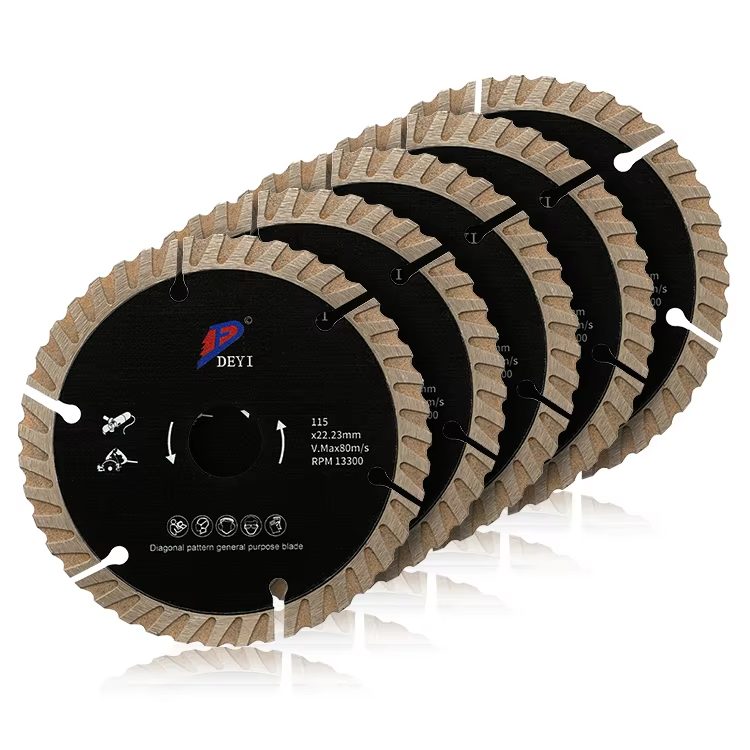
How Dust-Free Diamond Saw Blades Reduce Silica Dust at the Source
Mechanisms of dust suppression in dust-free diamond blades
Dust free diamond blades help cut down on silica exposure because they come with built-in systems that grab those tiny particles right where they form during cutting operations. The shape of the blade's gullets has been carefully designed so that when the blade spins around, it actually pushes dust away from where the actual cutting happens thanks to centrifugal force. These blades also have narrower cuts (usually no more than 0.125 inches wide) and teeth arranged just right to prevent too much material movement. Research into actual cutting processes shows these features can slash the amount of breathable dust created by about two-thirds compared with regular blades. Plus, how the whole thing is shaped aerodynamically works wonders for keeping things under control since it guides both air and whatever dust comes along directly into those special collection channels instead of letting it drift toward wherever someone might be breathing.
Blade design compatibility: Turbo-rim, segmented, and continuous-rim for optimal low-dust performance
Three blade architectures deliver superior dust control when paired with appropriate dust control systems:
- Turbo-rim blades: Serrated edges reduce friction and heat, minimizing airborne particulates while maintaining cutting speed
- Segmented blades: Deep gullets between segments capture debris before dispersion—ideal for concrete and masonry
- Continuous-rim blades: Smooth cutting action produces finer particles, which are efficiently managed via integrated vacuum ports
Blades with fewer teeth (4–10) and laser-cut expansion slots demonstrate 30–50% lower respirable silica emissions in OSHA-compliant testing environments. Compatibility with both wet-cutting and vacuum attachments ensures regulatory compliance while maximizing dust capture efficiency during operation.
Wet Cutting Systems: Maximizing Dust Control with Water-Based Suppression
How water-based systems suppress silica dust and meet OSHA compliance standards
Water-based dust control works wonders against silica dust because it turns those tiny airborne particles into a slurry when there's continuous water flowing around. Studies show this method cuts down on respirable crystalline silica exposure by somewhere between 85 and 90 percent compared to traditional dry cutting methods. And getting those numbers down matters a lot for staying within OSHA regulations which set the limit at 50 micrograms per cubic meter over eight hours of work. The water does another important job too it actually keeps the diamond saw blades cool during operation. This cooling effect stops silica from breaking apart into smaller, dangerous particles that workers can breathe in, while also making the blades last longer since they aren't subjected to so much heat stress. To get the best results from these systems, operators need to keep the water temperature somewhere between 65 and 75 degrees Fahrenheit. Temperatures outside this range might not suppress dust effectively or could damage the materials being worked on due to sudden temperature changes.
Integrated wet saws vs. retrofit water kits: Comparing efficiency, portability, and maintenance
Wet saws that come integrated usually have blade guards designed just right and water systems that are properly calibrated. These features help capture dust consistently at the source, often getting over 90% efficiency. The built-in slurry containment does make things safer around the work area. However, these models tend to be heavy and need proper plumbing connections which makes them hard to move around. For folks already owning tools, retrofit kits can be a good option since they fit onto existing equipment. But there's catch here too the user has to manually adjust the water flow rates and clean nozzles regularly if they want the system to keep working well. So when choosing between options, people need to weigh what matters most safety versus mobility or convenience versus maintenance hassle.
| Factor | Integrated Wet Saws | Retrofit Kits |
|---|---|---|
| Dust Suppression | Consistent >90% efficiency | Variable (70–85%) |
| Portability | Limited (stationary operation) | High (worksite adaptable) |
| Maintenance | Automated filtration systems | Daily nozzle inspections |
| Setup Time | Permanent installation | <5 minutes per tool |
Water-based systems eliminate electrical hazards associated with vacuum solutions while delivering inherently OSHA-compliant silica reduction.
Vacuum-Based Dust Control: HEPA Filtration and Local Exhaust Ventilation (LEV)
H-class industrial vacuums and high-efficiency silica capture (≥99.97% @ 0.3 µm)
H-class industrial vacuums are really essential for managing silica dust effectively. These machines can capture particles down to about 0.3 microns with at least 99.97% efficiency, which actually meets OSHA's Table 1 standards for controlling exposure to crystalline silica when paired with dust-free diamond blades. The filtration system works in stages too there are pre-filters for bigger stuff, then HEPA certified end filters that stop those tiny silica particles from escaping, plus sealed housing that keeps everything contained under negative pressure. Standard shop vacs just don't cut it here because they lose suction power once the filters get loaded with all that fine dust. Many H-class models come equipped with automatic cleaning systems for their filters though, so workers aren't constantly stopping mid-job to clear blockages while doing things like cutting concrete or working on tiles.
Dust shrouds and LEV integration: Optimizing airflow velocity (>100 fpm) at the blade interface
Good dust control using vacuum systems relies heavily on properly designed shrouds that guide airflow right where it's needed most. For diamond blade operations, custom-made enclosures create specific capture areas keeping air moving at over 100 feet per minute at the actual cut line. Several key features matter for effectiveness: adjustable skirts with gaps no bigger than 3 millimeters help prevent air escaping, soft brushes that adapt to rough surfaces, and compact hoods that don't block what workers need to see. When connected to Local Exhaust Ventilation systems, all these parts work together to create airflow patterns that suck dust particles away from where people breathe. Getting the duct size right matters too – at least 35 mm in diameter is recommended – and keeping bends to a minimum maintains good air speed throughout. Checking airflow regularly with an anemometer makes sure everything works as intended, while pressure monitoring devices warn when maintenance is due. These combined efforts typically trap more than 95% of silica dust right at its source before it can spread.
Matching Dust Control Systems to Tool and Blade Compatibility
Evaluating electrical cutters with built-in vacuum attachments for dust-free diamond blades
Diamond blade cutters equipped with built-in vacuum systems offer a much cleaner way to handle dust at the source. The vacuum connects right to the tool body itself, so there's no need for those annoying separate hoses that create trip risks and waste about 15 to 20 minutes on setup for each job. What makes these systems really work well is that the vacuum starts running as soon as the blade does, keeping dust contained while cutting happens. To get the most out of one of these setups, make sure the guard fits properly with whatever size blade you're using (most common ones range from 4 inches up to 14 inches) and check that the vacuum can move at least 80 cubic feet per minute of air. These units definitely win points for being easy to carry around and quick to set up, but keep in mind they usually trap between 85% and 92% of dust particles. For jobs in tight spaces or areas where workers might be exposed longer, it's wise to have extra protection measures like better local exhaust ventilation or regular air quality checks. Don't forget to clean those filters once a week and inspect all the seals regularly too. Keeping everything maintained ensures good airflow stays strong and helps meet safety standards over time.
FAQ
What are dust-free diamond saw blades?
Dust-free diamond saw blades are designed with integrated dust control systems that capture and reduce the amount of silica dust generated during cutting.
How do wet cutting systems suppress dust?
Wet cutting systems use continuous water flow to turn airborne silica particles into a slurry, reducing the risk of inhalation and meeting OSHA compliance standards.
Are retrofit kits effective for dust control?
Retrofit kits can be effective but require manual adjustment and regular maintenance for optimal performance.
What is the role of H-class vacuums in dust control?
H-class vacuums are crucial for capturing fine dust particles with high efficiency, meeting regulatory standards for silica exposure.