
 EN
EN
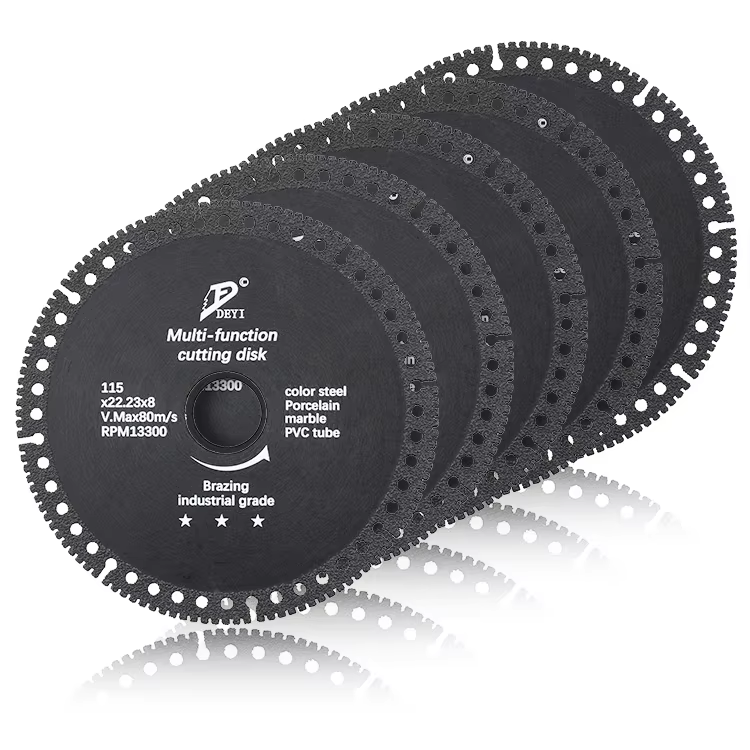
Abrasive Composition and Bonding Technology: Diamond vs Ceramic Pads
Diamond Pads: Hardness, Particle Size, and Resin-Metal Bond Advantages
Industrial diamond particles, rated Mohs 10, deliver unmatched cutting efficiency on dense porcelain tile. Precise grit sizing (50–400) enables controlled, predictable material removal, while resin-metal hybrid bonds provide thermal stability beyond 100°C. This synergy significantly reduces premature wear, sustaining polishing consistency across large installations.
Ceramic Pads: Crystalline Structure, Self-Sharpening Fracture, and Thermal Limits
The crystalline structure of ceramic abrasives breaks down in a controlled way as they're used, which exposes new cutting edges all the time. This kind of self-sharpening helps achieve those nice smooth finishes right from the start. But there are some downsides too. Ceramic isn't quite as hard as other options at around Mohs scale 7 to 8, so it takes longer to remove materials. And heat is another problem area for these abrasives. When temperatures go over about 200 degrees Celsius, the ceramic starts to vitrify or glass over, which really cuts down on how well it works. Something else worth mentioning is that compared to diamonds, ceramics tend to crack in unpredictable ways. These irregular fractures sometimes leave tiny cracks behind, especially when working with porcelain surfaces. Those little fissures can actually make the finished product more prone to stains over time.
Bonding Matrix Types: Resin, Metal, and Hybrid—Impact on Heat and Wear
- Resin bonds: Economical but degrade above 80°C, restricting use to low-heat or wet-polishing applications
- Metal bonds: Withstand temperatures exceeding 300°C but risk surface scratching without precise grit calibration
- Hybrid ceramic-resin bonds: Offer balanced thermal resilience (150–200°C) and scratch resistance, extending pad life by up to 4× versus pure resin in high-load scenarios
The bonding matrix governs both heat dissipation and abrasive retention—key determinants of operational cost and final surface quality.
Performance on Porcelain Tiles: Material Removal Rate and Surface Finish Quality
Gloss Development and Scratch Minimization: ΔE and Ra Values Compared
Getting that shiny, flawless finish on porcelain needs really precise grinding work. Diamond pads give much better results when it comes to surface roughness measurements around 0.2 microns or less because their particles are spread out evenly across the pad surface. According to some research on how surfaces react to different treatments, this even distribution cuts down on visible scratches by about forty percent compared to what happens with ceramic pads. The difference shows up in color too. Surfaces polished with diamonds stay within a color variation range of 1.5 Delta E units according to ISO standards, while ceramic treated ones tend to drift closer to 2.8 Delta E. What makes diamond so good is how it removes material at a predictable rate without messing up the underlying structure that helps resist stains. Ceramic tends to chip away unpredictably sometimes revealing those tiny pores underneath and creating little cracks we can't see but definitely affect performance over time.
Wet Polishing Efficiency: Measuring Material Removal Rate (MRR) by Pad Type
When it comes to wet polishing work, diamond pads actually remove materials at around 15 to maybe even 20 percent faster rate compared to ceramic pads working on porcelain surfaces. This happens because diamond pads have evenly spaced grit particles which allows cooling fluids to better penetrate the very low absorption porcelain surface, since porcelain typically absorbs less than half a percent of whatever comes into contact with it. Ceramic pads start losing effectiveness when temperatures climb past forty degrees Celsius though. They wear down much quicker under these conditions and need roughly thirty percent more passes just to get similar results as diamond pads. The bottom line is that using diamond abrasives cuts down on polishing time by about two and a half hours for every hundred square meters worked on. This translates into significant savings on labor costs over time despite the fact that diamond pads do cost more upfront initially.
Durability and Cost-Effectiveness: Long-Term Value of Diamond vs Ceramic Pads
When evaluating diamond vs ceramic pads for porcelain tile polishing, long-term value hinges on durability and total cost of ownership—not just upfront price.
Pad Longevity: Average Square Meters Polished per Set (Diamond vs Ceramic)
Diamond pads tend to last anywhere from 30 to 50 percent longer than ceramic ones when put through actual field work. What makes them so durable? The special resin-metal combination holds those synthetic diamonds in place much better, so they don't fall off even when working under heavy pressure situations. Ceramic products work differently though. They depend on breaking apart at the edges to stay sharp, which means they wear down faster over time. For anyone tackling big porcelain jobs that take several days, this longer life span means fewer stops to replace worn tools, less material going into landfills, and most importantly, maintaining that same level of quality throughout the entire project without performance dips mid-job.
Total Cost of Ownership: Initial Cost, Replacements, and Labor Efficiency
Ceramic pads might seem cheaper at first glance, but when looking at what happens down the road, diamond pads actually save money per square meter in the long run. There are basically three reasons why this works out better financially. First, they last longer so there's no need to replace them as often. Second, workers spend less time swapping out worn pads during projects. And third, since diamond cuts more consistently, there's far less wasted material from having to redo sections that weren't cut properly. Contractors who work with porcelain surfaces all the time usually find that the extra upfront cost pays itself back after just one or maybe two big jobs. That makes diamond pads worth the investment if someone wants to maintain quality results without constantly worrying about costs creeping up over time.
FAQ
-
What are the key advantages of diamond pads compared to ceramic pads?
Diamond pads offer superior cutting efficiency, durability, and consistent performance on porcelain tiles due to their hardness, precise grit sizing, and resin-metal hybrid bonds. -
How do ceramic pads compare in terms of heat resistance and material removal?
Ceramic pads provide self-sharpening properties but have lower heat resistance and slower material removal rates compared to diamond pads, especially under high-temperature conditions. -
What is the impact of bonding matrix on the performance of polishing pads?
The bonding matrix affects heat dissipation and abrasive retention, influencing the operational cost and surface quality. Resin-metal hybrids offer balanced thermal resilience and scratch resistance. -
Why are diamond pads more cost-effective in the long term?
Diamond pads have a longer lifespan, require fewer replacements, and offer consistent cutting quality, resulting in reduced labor costs and material wastage over time.