
 EN
EN
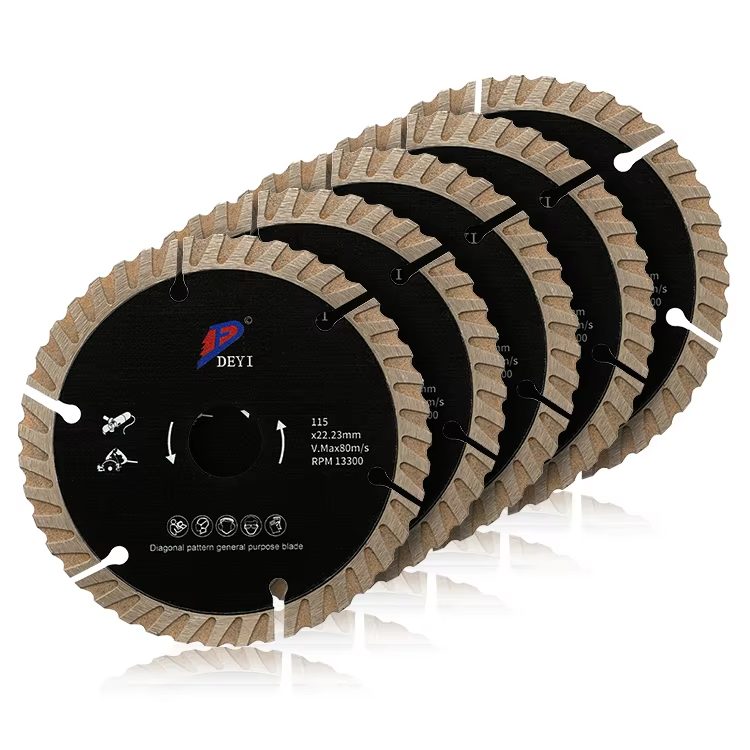
Why Diamond Drill Bit Storage Directly Impacts Tool Lifespan and Cutting Performance
Storing diamond drill bits properly matters a lot for how long they last and how well they cut. There are basically three main ways bits fail when exposed to bad conditions. When moisture levels go over 40% RH, something called electrochemical corrosion starts happening in the metal part of the bit. This weakens what holds those precious diamonds in place, so they fall out way too soon. Temperature changes outside the 10-25 degree Celsius sweet spot create all sorts of problems too. The bonding material gets stressed and develops tiny cracks that get worse every time someone drills. And let's not forget about physical damage. Bits stored in messy boxes bang into each other and chip at the edges, making them less efficient. Industry reports suggest poor storage can cut bit life almost in half sometimes. Worse still, damaged bits make workers apply more pressure while drilling, which creates heat that turns diamonds into graphite over time. For anyone serious about getting good results, proper storage isn't just nice to have it's absolutely necessary if we want consistent holes and avoid wasting money on replacements.
Essential Diamond Drill Bit Storage Conditions: Moisture, Temperature, and Contamination Control
Preventing corrosion and bond degradation with humidity control (<40% RH)
Keeping humidity levels below 40% relative humidity really matters when it comes to stopping corrosion from forming inside the metal part of diamond drill bits. When moisture gets into these tools, it starts chemical reactions that weaken how the diamonds stick to their metal base, which can lead to segments breaking off during operation. Research indicates that staying under this 40% mark cuts down on corrosion problems by around three quarters. Most professionals recommend storing these expensive tools in rooms where temperature and humidity are carefully controlled. For extra protection, wrap them up in special packaging that blocks out moisture and includes things like silica gel packets inside to soak up any lingering dampness and keep everything nice and dry over time.
Safe temperature ranges (10–25°C) and avoiding thermal cycling risks
Keeping diamond drill bits stored at temperatures between 10 and 25 degrees Celsius helps avoid problems from thermal stress where the diamond parts expand differently than the metal bonding material around them. If these bits go through repeated heating and cooling cycles, tiny cracks start forming over time, and this really affects how well they perform. Some studies have shown that impact resistance drops by about two thirds when this happens. Don't put storage containers anywhere close to heat sources, under direct sun exposure, or in places that get extremely cold. Whenever transferring drill bits from one environment to another with big temperature changes, it's best practice to let them sit for about 24 hours first. This gives time for moisture to balance out and reduces the risk of damage from sudden temperature shifts.
| Storage Factor | Critical Threshold | Failure Mechanism | Prevention Strategy |
|---|---|---|---|
| Humidity | >40% RH | Bond corrosion | Silica gel desiccants |
| Temperature | <10°C or >25°C | Matrix fractures | Climate-controlled cabinets |
| Contaminants | Dust/oil exposure | Cutting edge blunting | Sealed containers |
Best Practices for Diamond Drill Bit Storage: Packaging, Handling, and Organization
Leveraging original packaging — vapor barriers, desiccants, and resealable integrity
The original packaging comes designed for keeping things safe over time, so it makes sense to keep it intact when we can. Most factory made containers have these vapor barriers built right in, which stops outside moisture from getting inside something important, especially crucial stuff stored in places where humidity runs high. Inside many packages there are also those little desiccant packs that work hard to keep the air dry enough down below 40% relative humidity. And then there are those resealable closures that make sure everything stays sealed tight even after opening and closing multiple times. According to what industry folks have found, components kept properly in their original boxes with those desiccants actually last around two thirds longer compared to just tossing them anywhere loose. For really good protection against environmental damage, look for packaging that has those military grade moisture barriers, replaceable silica gel packs, and those zippers that seal completely airtight. These features together fight off most of the common ways things degrade over time and significantly boost how long products stay usable on shelves.
Proper handling and orientation to avoid matrix micro-fractures and diamond exposure damage
Proper handling keeps diamond drill bits intact and functional over time. When picking up these tools, grip them firmly at the shank area instead of grabbing the cutting edge where diamonds are embedded. This simple practice stops those tiny diamond particles from coming loose or causes damage to the segments themselves. The best storage solution? Vertical positioning inside foam padded cases works wonders for keeping everything organized and preventing accidental rolls across workbenches. Horizontal stacking should be avoided completely since it puts unnecessary stress on the bit's body, potentially creating small cracks we cant even see with our eyes. For longer periods of storage, invest in properly labeled rack systems that separate each tool without contact points, include cushioned bases for protection against drops, and maintain stable temperatures between 10 and 25 degrees Celsius. According to industry data from SME's 2023 Tooling Report, companies following these guidelines consistently see around a third less spending on replacements every year.
Inventory Management for Unused Diamond Drill Bit Sets: FIFO, Labeling, and Shelf-Life Tracking
Good inventory control keeps equipment from losing performance because of sitting around too long or getting forgotten in storage. The best practice is to follow First In, First Out (FIFO) principles so that older tools get used first rather than letting them sit until they degrade. Every tool set should be marked clearly with when it was received and when it might stop working properly. Diamond segments usually last about 18 to 24 months before needing replacement. Use waterproof labels that won't fall off easily. Regular checks every month help spot items that are getting close to their end of life before serious problems develop. Keep records of warehouse conditions including temperature and humidity levels (below 40% relative humidity works well). These logs show how storage affects tool quality over time. Many businesses now use digital inventory software that automatically reminds staff when items need attention and helps schedule rotations between old and new stock. This cuts down on mistakes people make manually tracking everything. When companies ignore FIFO rules, old or stressed tools often break down while being used, which means spending extra money on replacements sometimes as much as 35% more than necessary.
FAQs: Diamond Drill Bit Storage
What are the consequences of improper diamond drill bit storage?
Improper storage can lead to electrochemical corrosion, thermal stress fractures, and physical damage, which significantly reduces the lifespan and performance of diamond drill bits.
How does humidity affect diamond drill bits?
Humidity over 40% relative humidity causes bond corrosion, weakening the diamond’s attachment to the metal, leading to premature failure.
Why is temperature control important for diamond drill bits?
Temperature control avoids thermal stress cycles that can cause microscopic cracks affecting the drill bit’s performance.
What inventory management practices should be followed for diamond drill bits?
Follow First In, First Out (FIFO) principles, use waterproof labels, conduct regular checks, and track warehouse conditions to maintain tool quality over time.
Table of Contents
- Why Diamond Drill Bit Storage Directly Impacts Tool Lifespan and Cutting Performance
- Essential Diamond Drill Bit Storage Conditions: Moisture, Temperature, and Contamination Control
- Best Practices for Diamond Drill Bit Storage: Packaging, Handling, and Organization
- Inventory Management for Unused Diamond Drill Bit Sets: FIFO, Labeling, and Shelf-Life Tracking
- FAQs: Diamond Drill Bit Storage