
 EN
EN
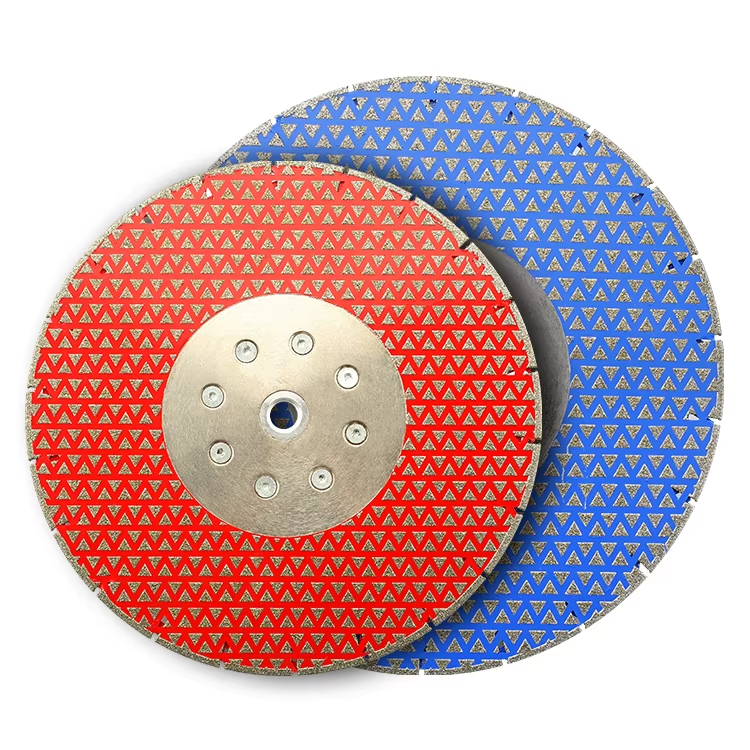
Core Abrasive Physics: Why Diamond Hardness Wins on Dense Concrete
Diamond’s 10 Mohs hardness vs. concrete’s 4,000–7,000 psi compressive strength
When it comes to polishing concrete floors, diamond abrasives are basically unbeatable because of how they work at a physical level. These diamonds sit right at the top of the Mohs hardness scale with a rating of 10. That makes them over twice as tough as corundum which scores a 9, and way harder than what most concrete can handle since regular concrete has around 4,000 to 7,000 psi compressive strength. What happens is those diamond particles keep their sharp points for much longer time periods compared to other materials. They cut through the concrete by creating tiny fractures in its crystal structure without getting dull themselves. On the flip side, aluminum oxide rated at Mohs 9 just doesn't last long when working against really dense surfaces. Contractors find themselves changing out these abrasives all the time. Another big plus for diamonds is their ability to conduct heat better. This means less heat builds up during fast polishing operations, so there's no risk of burning the surface or causing layers to separate off the floor.
Why aluminium oxide and silicon carbide struggle with low-porosity, high-density substrates
Regular non-diamond abrasives just don't work well with today's dense concrete because there's a fundamental mismatch at the material level. Traditional options like aluminium oxide and silicon carbide depend on breaking apart to reveal new cutting edges, but this approach falls flat when dealing with surfaces that have very little porosity. What happens instead? These materials tend to glaze over as they get worn down, creating all sorts of heat and actually burning the concrete surface in the process. The problem gets worse with dense concrete containing those hard silica aggregates rated around Mohs 7 or higher. Experience shows silicon carbide tools lose their cutting power roughly two thirds quicker compared to diamond alternatives when working on quartz heavy mixes. Contractors end up with uneven scratches across floors, longer job times, and surfaces that simply don't reach the required finish quality standards demanded by most industrial specifications for both strength and appearance.
Performance Advantages: Speed, Finish Quality, and Surface Densification
37% faster polishing time: Evidence from ICRI 2023 field trials (diamond vs. resin-bonded oxides)
According to tests run by the International Concrete Repair Institute back in 2023, diamond polishing pads remove materials about 37 percent faster compared to those old resin bonded ones. The reason? Diamonds just keep cutting strong even when pushed hard against tough surfaces without losing their sharp edges. Regular stuff like aluminum oxide tends to wear down pretty fast on hard concrete jobs, which means changing out pads all the time and stopping work repeatedly. Real world results show that contractors working on big commercial spaces can finish a 10,000 square foot floor almost 1.5 days quicker with diamond systems. That adds up to around $740k saved each year in labor costs alone for major construction projects across the country.
Superior surface refinement: +22% micro-hardness gain (ASTM C805) and optical consistency
Using diamond pads can boost surface micro-hardness by around 22% as tested under ASTM C805 standards, resulting in much denser and longer lasting finishes compared to those made with oxide based products. The way these pads cut is really precise, creating even scratch patterns that get rid of that annoying cloudy haze we often see when using older abrasive methods. This kind of finish reflects light consistently, something that matters a lot for places like upscale stores, art museums, and other fancy commercial buildings where appearance counts. According to data from the Concrete Polishing Association of America released last year, surfaces treated this way have about 40% less chance of getting stained down the road. And there's another big difference worth noting: while silicon carbide tends to create tiny cracks in the surface, diamond polishing actually makes concrete stronger, pushing compressive strength past 7,000 psi. That kind of durability meets all sorts of tough requirements needed at busy spots like airports, warehouses, and factory floors where concrete needs to stand up to constant heavy use.
Lifecycle Economics and Operational Safety of Diamond-Bonded Pads
5–8 Higher Coverage per Pad and Lower Total Cost of Ownership (NTCA Benchmark Report 2024)
Diamond-bonded pads deliver transformative lifecycle economics, with the NTCA Benchmark Report 2024 confirming 5–8 greater coverage per pad compared to traditional alternatives. This stems directly from diamond’s exceptional wear resistance—enabling consistent finish quality across extended service life and drastically reducing changeovers.
| Cost Factor | Diamond Pads | Traditional Pads |
|---|---|---|
| Pads per 10k sq ft | 3–5 | 15–30 |
| Labor hours saved | 2–3 reduction | Baseline |
Diamond pads definitely cost more upfront compared to resin bonded alternatives, usually around two to three times as much. But when looking at the big picture, these pads last so long that they actually cut overall project costs by somewhere between 40% and 60%. The fact that they don't need replacing as often means less money spent on disposal and fewer interruptions in workshop operations. Safety is another major plus point for diamond bonded systems. These pads wear down predictably and consistently, which means no unexpected breakages mid-job. Plus, the way they grind surfaces creates stable patterns that keep dust levels under control. This matters a lot when working on tough materials where fine surface finishing is required. Workers get exposed to far fewer harmful particles this way.
FAQ
Why are diamond abrasives preferred for polishing concrete floors?
Diamond abrasives are preferred because of their superior hardness, which allows them to maintain sharp edges and effectively cut through dense concrete without wearing out quickly or overheating.
How do diamond polishing pads impact the speed of concrete polishing?
Diamond polishing pads can speed up the polishing process by approximately 37%, as they maintain their cutting efficiency without frequent changes.
What cost benefits do diamond-bonded pads offer?
Despite higher initial costs, diamond-bonded pads offer long-term savings due to their durability, requiring fewer replacements and reducing labor costs.
What are the safety advantages of using diamond pads?
Diamond pads produce less dust and fewer harmful particles, making the work environment safer for operators.