 EN
EN
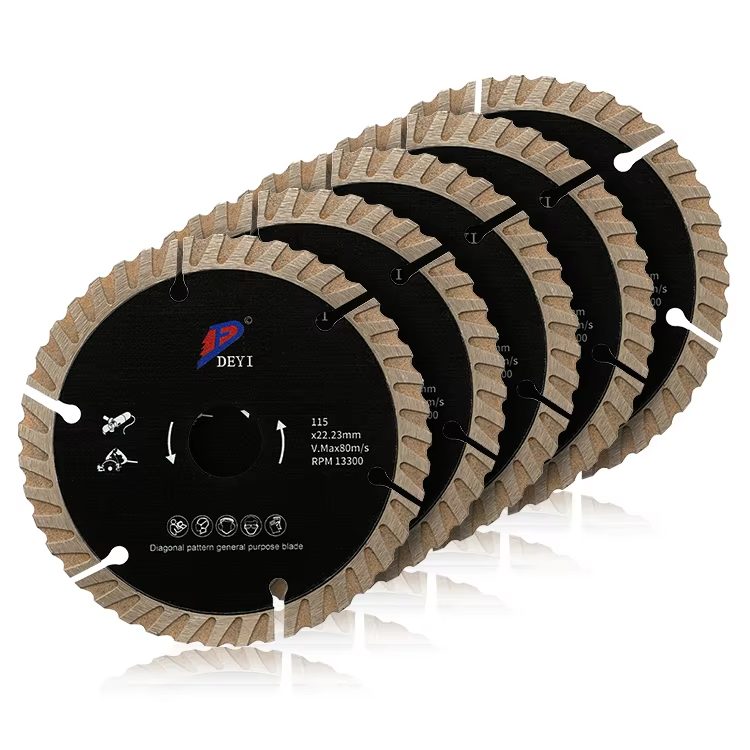
Swirl Marks Causes: The Direct Role of Low-Quality Diamond Polishing Pads
Microscopic Scarring from Uncontrolled Abrasion
Cheap diamond polishing pads usually have grit that's not properly set in the resin base, sticking out all over the place instead of being evenly distributed. When this happens, the pad ends up creating wild cutting action that gouges random spots on stone surfaces while trying to polish them. Rather than removing material smoothly across the surface, these bad abrasives leave behind tiny grooves that look like webs when viewed closely through a loupe or microscope. According to some research in the field, inferior pads with weak diamond content actually scratch surfaces about 37 percent deeper than good quality ones do. These hidden cracks beneath the surface change how light bounces off the stone, which is why people see those annoying swirl patterns even when just looking at it normally in regular room lighting conditions.
Inconsistent Grit Distribution and Premature Grain Pull-Out
Cheap polishing pads often have quality issues because the diamonds tend to cluster together in some spots while leaving other areas almost bare. This creates problem zones where the pad works too hard in one place but barely touches another spot entirely. The resin holding everything together isn't strong enough either, so those precious diamonds just fall off when we start working on surfaces. When this happens, little craters form in the pad surface. These craters then trap other abrasive particles as we continue polishing, which actually makes things worse instead of better. Studies show that when grit is distributed unevenly like this, there's about 2.3 times more chance of getting those annoying swirl marks after polishing. What starts as small flaws gets turned into obvious circular blemishes because the pad isn't cutting consistently across the whole surface.
How Structural Defects in Budget Pads Amplify Swirl Marks Causes
Structural flaws in low-cost diamond polishing pads directly intensify swirl marks causes by compromising fundamental performance characteristics.
Weak Resin Bonding Leading to Unstable Cutting Edges
When the resin bonding isn't strong enough, diamond abrasives tend to fall off too early during the polishing process. This creates all sorts of problems because the exposed abrasive grains end up gouging the surface they're supposed to be working on. Meanwhile, those loose particles just roll around everywhere unpredictably. What happens next? Micro scratches form across the surface, which become really noticeable when light hits them at certain angles. These issues don't happen alone either. They work together with another common problem called grit inconsistency. When both occur simultaneously, they actually make each other worse, leading to much greater surface damage than either would cause separately.
Non-Uniform Pad Compression and Thermal Glazing
Cheap budget pads tend to have all sorts of issues when it comes to foam consistency and how they handle heat buildup. When someone applies pressure during grinding or polishing, these pads compress unevenly, creating those annoying high and low spots across the surface. What happens next? Well, concentrated friction starts building up in those problem areas. This leads to something called thermal glazing, basically when the pad gets so hot that the resin starts melting around the abrasive particles, making them less effective at cutting through materials. Most operators don't realize this is happening until they notice their results getting worse. They try to fix things by pushing harder against the surface, which actually makes matters worse by digging deeper scratches into whatever material they're working on. The whole process just keeps going in circles, making old swirl marks look even worse while adding brand new imperfections to boot.
Operator Technique Interactions: Why Substandard Pads Exacerbate Human Error
Improper Pad Layering and Heat-Induced Surface Distortion
When operators stack several cheap diamond polishing pads together, they end up with all sorts of problems during the polishing process. These budget pads just don't hold up to heat very well, and when things start getting hot from friction, temperatures can go way over 150 degrees Fahrenheit. What happens next? The resin in these pads starts to melt down, which makes the pad surface bend out of shape and develop tiny waves across its surface. Now imagine this warped pad moving back and forth over whatever material needs polishing. Some spots get cut away too aggressively while other parts barely touch the surface at all. The result? Those annoying circular scratches that eventually turn into those ugly swirl marks everyone hates to see. And here's the kicker: poor quality pads have a habit of turning small mistakes in how they're layered into big messes because of all that uncontrollable heat distortion.
Misaligned Speed/Pressure Settings on Low-Performance Pads
Budget diamond pads struggle with performance because their grit isn't evenly distributed and the bonding between particles is weak. When someone runs these pads above the suggested speed limit, say over 2500 RPM, or presses down inconsistently, the diamond grains start coming loose too soon. This creates all sorts of problems during cutting as the diamonds either dig too deep into the material or just bounce around on the surface without making proper contact. High quality pads can handle some mistakes in technique, but cheap alternatives turn every little error into big trouble. Press too hard and the diamonds actually break apart instead of cutting properly. Apply too light a touch and there will be leftover polishing residue that needs extra work later. Either way, what starts as small scratches ends up looking like those annoying swirl patterns nobody wants to see. These poorly constructed pads basically guarantee surface damage whenever things don't go perfectly.
Evidence-Based Impact: Industry Data Linking Low-Cost Pads to Increased Swirl Marks Causes
Research shows there's a clear link between inexpensive diamond polishing pads and increased surface problems. When contractors go for budget options, they end up with swirl marks appearing almost four times more often compared to high-end pads. About two thirds of all surface fixes needed come down to uneven grit spread and weak resin bonds in cheaper products. What happens is these lower quality pads break down much faster too. Tests show that within just 15 minutes of work, around 40% of the diamonds fall off, leaving behind random scratches across surfaces. Fixing this kind of damage costs extra money and time. On average, projects end up spending about 19% more overall because of these issues. So while buying cheap pads might seem like saving money upfront, those savings disappear fast when considering all the additional labor, materials wasted, and extended polishing periods required. Better quality pads actually work better in practice. They create fewer swirl marks because they remove material evenly and maintain sharp cutting edges throughout. This isn't just theory either. The Marble Institute has seen this pattern play out over years of real world applications, something that aligns perfectly with standard practices laid out in industry guidelines like ANSI B74.17.
FAQ
What are swirl marks?
Swirl marks are visible blemishes or scratches on surfaces, often appearing as circular patterns, caused by improper polishing techniques or defects in polishing pads.
How do low-quality diamond polishing pads cause swirl marks?
Low-quality pads often have inconsistent grit distribution and weak resin bonding, which lead to uneven polishing and increased surface damage, resulting in swirl marks.
Are there ways to prevent swirl marks when using diamond polishing pads?
Using high-quality pads, ensuring proper pad layering, and maintaining correct speed and pressure settings can help minimize the risk of swirl marks.
Do better quality diamond polishing pads completely eliminate swirl marks?
While they significantly reduce the likelihood, proper technique is needed alongside quality pads to effectively prevent swirl marks.
Table of Contents
- Swirl Marks Causes: The Direct Role of Low-Quality Diamond Polishing Pads
- How Structural Defects in Budget Pads Amplify Swirl Marks Causes
- Operator Technique Interactions: Why Substandard Pads Exacerbate Human Error
- Evidence-Based Impact: Industry Data Linking Low-Cost Pads to Increased Swirl Marks Causes