
 EN
EN
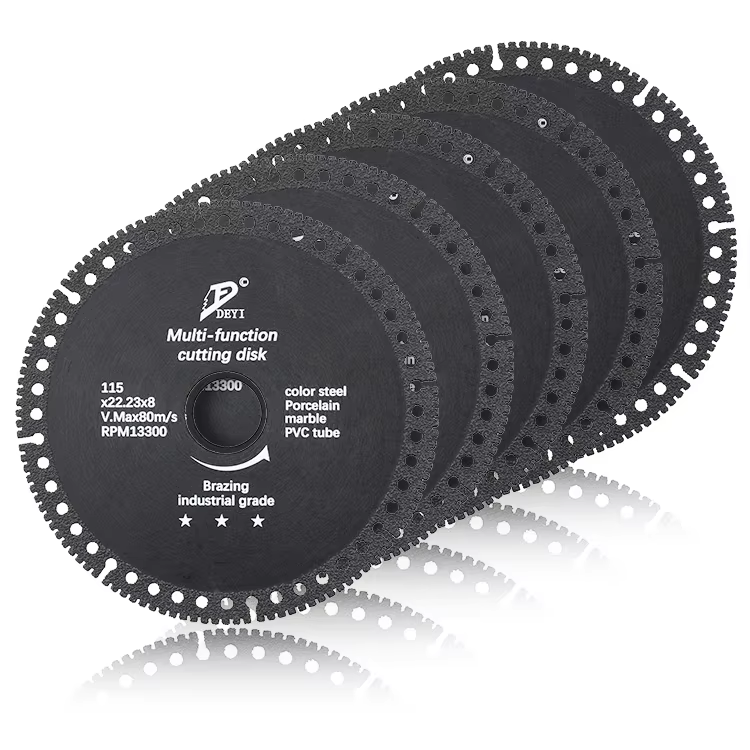
Diamond Quality and Matrix Composition: Why Professional vs Consumer Pads Perform Differently
Industrial diamond concentration, crystallinity, and bond integrity for sustained cutting under load
The professional grade diamond polishing pads are packed with industrial strength diamonds that pack about 25 to 30 percent more density compared to what’s found in consumer grade products. These diamonds have consistent crystal structures and are graded very precisely, usually within plus or minus 3 microns. The result? More predictable material removal rates and fewer scratches when running through tough jobs on heavy equipment. What sets these apart is their special bonding system designed so diamonds come loose slowly as they get worn down, which stops them from falling out too soon. Cheap alternatives tend to have broken diamonds or ones that vary greatly in size. This leads to inconsistent cutting performance, generates more heat during operation, and cuts tool lifespan dramatically short in demanding situations where pressure builds up quickly.
Resin, metal, and ceramic matrix trade-offs: heat dissipation, wear resistance, and substrate compatibility
| Matrix Type | Heat Dissipation | Wear Resistance | Ideal Substrate |
|---|---|---|---|
| Resin | Moderate | Low-Medium | Soft stones (marble) |
| Metal | High | High | Concrete/aggregate |
| Ceramic | Extreme | Ultra-High | Engineered quartz |
When it comes to professional grade products, manufacturers carefully pick and mix different matrix materials based on what they’re working with. Metal bonds work best against tough concrete because they can stand up to all that grinding. Ceramic is great for those high speed jobs on engineered quartz surfaces. And then there are these special hybrid pads combining both ceramic and metal components which last about three times longer than regular resin pads during terrazzo polishing tasks. Most consumer grade pads though just use basic resin formulas. These tend to get too hot when used on harder materials, break down quickly, and can’t stop that annoying glazing effect that happens when running at speeds above 2000 RPM for extended periods. This means slower work progress and inferior finishes overall.
Pad Geometry and Grit Progression: Engineering Precision for Specific Polishing Goals
Channel design and open-area ratio: optimizing slurry evacuation for wet/dry applications
The best professional grinding pads come with laser cut channels and have open area ratios somewhere between 15 to 30 percent. These features actually help control slurry when working wet and guide dust away properly in dry conditions. The ideal channel depth ranges from about 2 to 5 millimeters, but this changes depending on what material is being worked on. For example, narrower grooves work better for tough granite surfaces, while terrazzo that’s more porous needs wider spacing between channels. This kind of engineering stops particles from building up and prevents overheating, which keeps the diamonds exposed consistently and cuts down on operator tiredness by around a quarter during long jobs according to Surface Prep Journal last year. Regular consumer grade pads don’t really have any proper drainage system built in, so they tend to get glazed over faster and wear out quicker as a result.
Grit progression logic: coarse-to-fine sequencing and hybrid grit structures in professional vs consumer pads
Professional systems stick to specific grit sequences moving from coarse to fine materials, something like going through 50 then 100 then 200 before hitting 400 and finally reaching 800 grit. Each level basically removes all the scratches left behind by the previous one. Many industrial grade pads actually combine different grit types in clever ways, sometimes having those ring patterns with two grit sizes working together at once. This helps fill those tricky spots between steps, like when moving from 400 to 800 grit, so there aren’t any leftover marks messing up the shine. Most consumer grade kits skip these important middle grits though, which leads people to polish too hard and end up damaging whatever surface they’re working on. When professionals use their high quality grit materials that stay within about 3 microns of consistency, they get much better results. The scratch removal becomes more predictable, saves roughly 30% off overall polishing time, and according to industry standards like ASTM D6455, floors last longer with proper maintenance.
Application-Specific Performance: Concrete, Stone, and Marble Polishing Realities
Concrete polishing needs tough pads that can handle heat and maintain consistent diamond exposure over time. These are usually made with special metal or mixed bond materials that don’t wear out so fast. When working on marble surfaces, where tiny cracks can ruin the finish forever, professionals rely on careful grit progression and ceramic bonded pads at lower pressure levels. This approach cuts down on surface damage compared to regular resin based options. Quartz presents another challenge altogether since it needs just the right balance between flexibility and even pressure application. High quality professional pads often feature cross linked polymers or hybrid backings that adapt smoothly across the surface without leaving those annoying swirl marks. Consumer grade products tend to be too stiff and create uneven contact points instead.
Material-specific performance differences are quantifiable:
- Concrete: Professional pads remove 25% more material per pass due to optimized diamond concentration and thermal management.
- Marble: Ceramic-bond industrial pads cut fracture risk by 40% compared to standard resin bonds.
- Engineered stone: Cross-linked polymer matrices prevent resin glazing, ensuring uniform gloss across large surfaces.
These distinctions confirm that professional and consumer pads are not price-tiered variants—but fundamentally different engineering solutions. Matching pad technology to substrate characteristics prevents rework, preserves substrate integrity, and delivers durable, high-gloss results across all materials.
Cost-per-Performance Reality Check: Lifespan, Efficiency, and ROI of Professional vs Consumer Pads
Coverage per pad set, machine compatibility (HP/rpm requirements), and labor time savings
Pro level diamond polishing pads cover about 2 to 3 times more surface area than regular consumer grade ones. Why? Because they pack more diamonds into each pad, have much better control over grit sizes, and use bonding materials that stay stable even when things get hot. These pads work best with heavy duty machines that have at least 10 horsepower and can spin around 2000 revolutions per minute or more. They keep performing reliably even when pushed hard, while cheaper pads tend to fall apart or become glazed and ineffective on serious equipment. Contractors who switch notice big differences too. Less frequent pad changes mean projects finish faster, and workers spend less time waiting for replacements. Labor costs drop somewhere between 30% and 40% per job. Looking at the bigger picture, professionals typically see about half again as much return on investment after three years compared to what they’d get with basic pads. This comes down to how long the pads last, how efficiently they work, and simply having fewer problems that require going back to fix later. When it boils down to dollars and cents, the real difference between pro and consumer pads isn’t what’s printed on the price tag but what happens during actual use on site.
FAQ
Why are professional grade diamond polishing pads more efficient than consumer grade ones?
Professional grade pads have a higher density of precisely graded industrial diamonds and robust bonding systems, leading to more predictable performance, less heat generation, and longer tool lifespan.
What makes the matrix composition critical in pad performance?
The matrix composition like resin, metal, or ceramic affects heat dissipation, wear resistance, and compatibility with different substrates, influencing overall polishing efficiency and finish quality.
How does grit progression impact polishing outcomes?
Following a precise grit progression ensures that scratches are successfully removed at each stage and helps achieve a uniform shine without surface damage.
What benefits do professional pads offer in terms of cost-per-performance?
Professional pads offer greater coverage per set, compatibility with high power machines, and significant labor savings, providing better return on investment over time.
Table of Contents
- Diamond Quality and Matrix Composition: Why Professional vs Consumer Pads Perform Differently
- Pad Geometry and Grit Progression: Engineering Precision for Specific Polishing Goals
- Application-Specific Performance: Concrete, Stone, and Marble Polishing Realities
- Cost-per-Performance Reality Check: Lifespan, Efficiency, and ROI of Professional vs Consumer Pads
- FAQ