 EN
EN
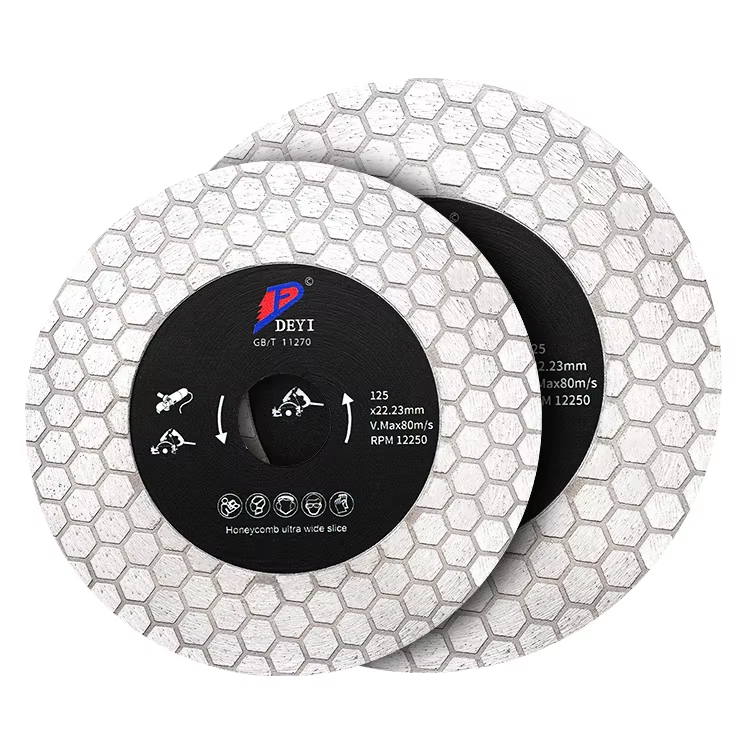
Understanding Hybrid Metal-Resin Bond Technology in Diamond Saw Blades
What Are Hybrid Metal-Resin Bonds? Combining the Strengths of Sintered Metal and Polymer Resin
When manufacturers combine sintered metal with polymer resin, they get diamond blades that handle both tough cutting jobs and delicate work equally well. Metal bonds are great for slicing through stuff like reinforced concrete because they don't break down easily. Resin bonds on the other hand work better when dealing with materials that chip or crack, giving cleaner edges without damaging the surface. During production, workers actually stack layers of different metals and special resins together. This setup keeps diamonds attached to the blade even under intense pressure, but still lets them wear away gradually so the blade stays effective over time. The real advantage comes when cutting through multiple materials at once something that old fashioned single bond blades just couldn't handle without breaking down prematurely.
The Evolution of Universal Diamond Blade Design and Market Demand for Versatility
Back in the day, traditional diamond blades meant contractors had to constantly swap out their tools depending on what they were cutting. Clean cuts needed those resin bonded blades while tough jobs demanded metal bonded ones. And let's face it, switching tools at each job site eats away precious time. Some studies put that downtime around 22 minutes per changeover according to industry reports from last year. That's why hybrid bonded blades came onto the scene. Contractors wanted something that could handle everything from concrete and asphalt to tricky materials like ceramics and composites without losing any cutting power. Today's manufacturers get this need and focus on making blades with adjustable bond ratios. Workers can tweak the mix of metal and resin depending on what kind of material they're dealing with on any given project. Makes sense when you think about it.
How Hybrid Bonds Enable Balanced Performance in Multipurpose Cutting Tools
The magic of hybrid tech comes from blending metal's ability to shed heat with resin's knack for absorbing vibrations. When things get hot under the hood at high RPMs, those metal parts stop the whole thing from bending out of shape. Meanwhile, the polymer bits take care of protecting edges on fragile stuff like porcelain tiles where chips are a real problem. Some actual field testing has shown these mixed blades can cut through granite about 30 percent faster than all-resin alternatives, but still manage to leave behind surfaces as smooth as what we'd expect from specialized resin blades working on laminates. That kind of versatility explains why so many tool rental shops stock them up front, and why contractors who bounce between different materials every day find them absolutely indispensable for their toolkit.
Performance Advantages of Hybrid Bonds in Multi-Material Cutting Applications
Synergy of Sintering Alloys and Polymers: Aggressiveness Meets Smooth Finish
Hybrid metal-resin bonds tackle that old problem where faster cutting means worse finishes by mixing the strength of sintered metal with the cushioning properties of resin. The metal part keeps diamonds exposed so they can cut through materials aggressively, but the resin part actually absorbs those annoying vibrations when things get going. Contractors have noticed something interesting about these blades too. They create way fewer chatter marks than regular metal bonded ones maybe around 35 or 40 percent less according to some tests. What this really means is workers don't need different blades for rough concrete jobs versus delicate stone work anymore. Just grab one blade and handle both types of cuts throughout the day.
Extended Blade Life Through Controlled Wear and Heat Resistance
Traditional bonding materials tend to wear out in an uneven fashion, but hybrid matrix systems work differently by having erosion rates that gradually match how diamond grit wears down over time. Testing in controlled environments has found these new blades last almost three times longer than regular resin blades when cutting tough stuff like fiber cement boards. What makes this possible is the special resin component which actually helps manage heat buildup. It gets rid of excess heat about 22 percent quicker compared to metal-only alternatives during those long dry cutting sessions everyone hates. This matters a lot when working on thick composite panels where overheating can really mess up both tool performance and material integrity.
Higher Material Removal Rates Without Sacrificing Cut Quality
Looking at actual bridge demolition work, we've seen that these hybrid blades cut through materials about 15 to maybe even 18 percent quicker than those old fashioned single bond blades, especially when dealing with all sorts of different stuff mixed together. What makes them stand out is how they handle wear during operation. The way these blades clear away chips keeps them from getting glazed over, which matters a lot when moving between something as soft as limestone and harder concrete packed with steel rebar. Contractors report finishing around 250 square feet of concrete walls roughly half an hour sooner than before. Plus, the edges come out so clean that there's no need for extra prep work before laying tiles directly onto them.
Hybrid vs. Traditional Bond Types: A Comparative Analysis for Industrial Use
The world of industrial cutting is shifting toward tools that can handle multiple materials, which explains why many shops are turning to hybrid metal-resin bonded diamond blades instead of old fashioned single bond options. These hybrids mix the fast cutting action of sintered metal with the cleaner finish from polymer resin. What this means for real world applications is that one blade can tackle different substrates without needing constant swaps between specialized tools. For contractors working on mixed material jobs, this represents a major breakthrough. The main problem facing most construction sites today isn't just about getting things done faster but also about minimizing downtime caused by changing blades throughout the day while still maintaining good cut quality and extending blade lifespan.
| Bond Type | Key Strengths | Common Weaknesses | Ideal Use Cases |
|---|---|---|---|
| Resin | Smooth finish, precision | Rapid wear in hard materials | Soft/abrasive materials |
| Metal | Durability, longevity | Rough finish, heat buildup | Hard, dense substrates |
| Hybrid | Balanced performance | Higher upfront cost | Multi-material applications |
Resin Bonds: Precision and Finish in Soft or Abrasive Materials
Resin bonded blades work really well for jobs where clean edges matter most and there's not much chipping involved. Think about cutting tiles, asphalt surfaces, or those tough composite materials that resist normal cutting methods. What makes them special is this flexible polymer stuff that holds the diamonds together. It lets the diamonds break off in a controlled way so the blade keeps cutting straight without wandering. But here's the catch they don't last as long as metal blades do when dealing with super hard stuff like concrete or granite. According to some industry reports from last year, resin blades tend to wear down about 30 to 50 percent quicker than their metal counterparts. Most contractors find themselves replacing these blades every four to six hours when working on heavy duty projects.
Metal Bonds: Durability and Longevity in Hard, Dense Substrates
Sintered metal bonds withstand extreme pressures in reinforced concrete and masonry cutting, with service lives exceeding 15–20 hours under continuous operation. Their rigid structure prevents premature diamond loss but generates more heat and vibration, often leaving a rough surface finish unsuitable for visible architectural elements.
Limitations of Specialized Blades: When Single-Bond Tools Fall Short
Construction sites often run into all sorts of mixed materials these days – think steel reinforced concrete mixed with ceramic tiles – which means workers have to keep switching between different cutting blades throughout the day. The time lost during this constant swapping adds up fast too. Some field reports show crews wasting anywhere from 12 to almost 18 minutes each shift just changing tools, and that drops overall productivity by around 22% compared to what could be achieved with proper hybrid blades. And let's not forget about money either. Standard single-bond tools end up costing more in the long run because they wear out so quickly whenever they're forced to cut materials outside their designed specifications.
Material Compatibility and Operational Flexibility of Hybrid Bond Blades
Cutting Concrete, Masonry, Stone, and Composites With a Single Blade
Hybrid blades that combine metal and resin actually cut down on the hassle of having dozens of different blades lying around because they can handle various material hardness levels thanks to their mixed construction. The tough metal part stays sharp when tackling hard stuff like concrete blocks or granite countertops. At the same time, the resin part helps absorb vibrations so there's less chipping when working with softer materials such as brick walls or those fancy composite panels. What makes these blades stand out is how consistently accurate they stay throughout different jobs, probably within about half a millimeter even when switching between regular concrete and really hard stones like quartz. Traditional blades just cant match this kind of versatility in real world applications.
Real-World Applications in Construction and Renovation: Reducing Tool Changes
Field contractors have noticed around 30 to 40 percent less downtime on jobs when they switch to hybrid bond blades for those tricky mixed material cuts. Think about cutting through rebar reinforced concrete first thing in the morning then moving onto ceramic tiles later in the day. According to the latest data from the 2024 Universal Cutting Tool Efficiency Study, these hybrid blades need about 60% fewer replacements throughout a typical job site run compared with standard blades. For renovation teams working tight spaces, this matters a lot. They can go from tearing down old concrete structures to doing finishing work without constantly swapping out blades, which keeps everyone moving forward instead of waiting around for equipment changes.
Cost-Effectiveness and Long-Term Efficiency of Hybrid Bond Innovation
Reduced downtime and longer service life: The operational ROI of hybrid blades
When it comes to durability, hybrid metal-resin bonds last anywhere from 25 to 40 percent longer than regular single-bond options because they strike a good balance between resisting wear and managing how materials break down over time according to Machinery Analytics report from 2023. Construction sites benefit greatly from this since tools need changing less often about 30% reduction which means fewer interruptions during work and keeps cutting speeds steady throughout projects. Contractors working on things like brick or concrete have found their jobs get done around 18% quicker when blades don't need replacing so frequently. The math adds up too saving crews over eight thousand dollars each year just from not having those costly delays caused by waiting for new blades.
Balancing upfront cost vs. long-term savings in industrial settings
While hybrid blades carry a 20–35% higher initial cost than conventional options, their extended lifespan cuts replacement expenses by 50% over five years.
| Cost Factor | Traditional Blades | Hybrid Blades |
|---|---|---|
| Annual Replacements | 4.2 | 2.1 |
| Downtime Hours/Yr | 14.5 | 8.2 |
| 5-Year Total Cost | $18,700 | $12,300 |
This efficiency makes hybrid technology ideal for industrial contractors tackling mixed-material projects, where tool specialization typically erodes profit margins by 12–15%.
FAQ Section
What are hybrid metal-resin diamond blades?
Hybrid metal-resin diamond blades combine the durability of metal bonds with the precision of resin bonds, allowing them to effectively cut through multiple materials without frequent tool changes.
How do hybrid diamond blades reduce downtime in construction?
Hybrid diamond blades reduce downtime by minimizing the need for frequent tool swaps as they can handle various materials, thereby improving overall productivity.
Are there cost benefits to using hybrid blades over traditional blades?
Yes, while hybrid blades have a higher upfront cost, their longer lifespan and reduced need for replacements result in significant long-term savings.
What types of materials can hybrid blades cut?
Hybrid blades can effectively cut through concrete, masonry, stone, composites, and other mixed materials, offering versatility for different projects.
How do hybrid blades compare to traditional blades regarding wear and tear?
Hybrid blades experience controlled and predictable wear that extends their life compared to traditional single-bond blades, which wear out unevenly.
Table of Contents
- Understanding Hybrid Metal-Resin Bond Technology in Diamond Saw Blades
- Performance Advantages of Hybrid Bonds in Multi-Material Cutting Applications
- Hybrid vs. Traditional Bond Types: A Comparative Analysis for Industrial Use
-
Material Compatibility and Operational Flexibility of Hybrid Bond Blades
- Cutting Concrete, Masonry, Stone, and Composites With a Single Blade
- Real-World Applications in Construction and Renovation: Reducing Tool Changes
- Cost-Effectiveness and Long-Term Efficiency of Hybrid Bond Innovation
- Reduced downtime and longer service life: The operational ROI of hybrid blades
- Balancing upfront cost vs. long-term savings in industrial settings
-
FAQ Section
- What are hybrid metal-resin diamond blades?
- How do hybrid diamond blades reduce downtime in construction?
- Are there cost benefits to using hybrid blades over traditional blades?
- What types of materials can hybrid blades cut?
- How do hybrid blades compare to traditional blades regarding wear and tear?