
 EN
EN
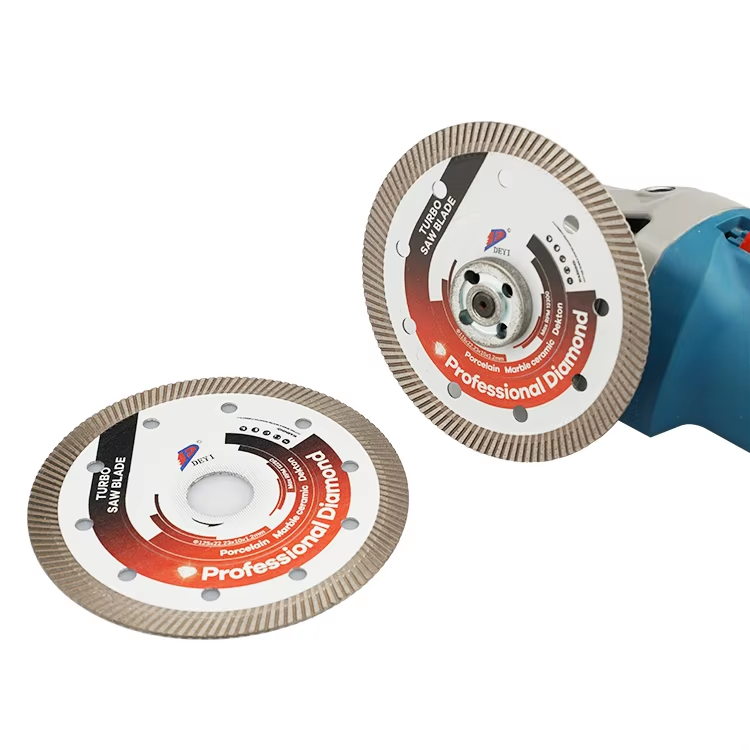
Understanding the Curing Process and Its Impact on Disc Strength
The Role of Curing in Environmentally Friendly Diamond Cutting Disc Manufacturing
The curing process turns liquid resins into solid polymer networks when exposed to controlled heat, which is essential for maintaining the structural strength of diamond cutting discs. When manufacturers focus on sustainability, they often use this method to combine recycled metals with plant-based materials alongside diamond abrasives, all while keeping harmful VOC emissions to a minimum. Getting the curing right makes sure stress spreads evenly across the material and stops those tiny cracks from forming that can weaken the tool over time. For anyone working with heavy duty equipment where torque is involved, these small details really matter in preventing premature failure during operation.
How Curing Temperature Influences Resin Cross-Linking Density and Cure Profile
Temperature governs molecular mobility during thermoset resin polymerization. Curing at 120–140°C optimizes cross-linking density (≥85% conversion rate) in bio-resins, increasing bond hardness by 22% compared to 80°C curing (2023 Composite Materials Journal). Excessive temperatures (>160°C), however, accelerate reaction kinetics, leading to uneven network formation and up to 18% reduction in tensile strength.
| Temperature | Cross-Link Density | Cure Time | Shear Strength Retention |
|---|---|---|---|
| 80°C | 62% | 180 min | 75% |
| 120°C | 89% | 90 min | 94% |
| 160°C | 78% | 45 min | 81% |
Mechanical Integrity of Green Bonds After Curing at Different Temperatures
When using low temperature curing between 80 and 100 degrees Celsius, manufacturers can protect those sensitive cellulose fibers in eco bonds. The downside? These bonds end up about 15 percent weaker under compression compared to regular ones according to last year's Sustainable Manufacturing Report. Testing for shear strength reveals something interesting too. Bio resins that cure properly at 120 degrees hold up against 740 kilopascals of stress while those cured at just 80 degrees only manage around 520 kPa. And even though they don't reach the same peak strength levels as traditional materials, these eco alternatives actually have better fracture toughness by about 12%. That means they resist cracks much better during those stop start cutting processes common in many manufacturing settings.
Controversy Analysis: High-Strength Claims vs. Actual Performance in Low-Temperature Cured Eco-Discs
According to an industry checkup done in 2024, about 38 percent of those so-called high strength eco discs that were cured at temperatures under 100 degrees Celsius didn't pass the ISO 603-15 abrasion test standards. That goes against what many manufacturers advertise about their products. On the flip side though, independent tests have shown certain types of bio resin actually perform just as well as regular discs if they get that full 240 minute curing time. The bottom line here is pretty clear standard testing procedures matter a lot for telling real progress apart from all the hype we see in marketing materials these days.
Bonding Technology and Thermal Behavior in Eco-Friendly Diamond Tools
Resin Bond Systems in Diamond Tools: Role of Thermal Conductivity and Curing Response
The resin bonds used in environmentally friendly diamond discs depend heavily on how well they conduct heat to spread warmth evenly throughout the curing process. These green alternatives differ from traditional metal bonds because manufacturers need to find that sweet spot between how tightly the resin molecules link together and how quickly it responds to temperature changes. When working with resins that have good conductivity around 1.2 W/mK or better, the material dissipates heat much more effectively. This helps avoid situations where parts start hardening too soon while keeping the bond strength consistent across the entire surface. Getting this right becomes particularly important when trying to cure materials at temperatures under 160 degrees Celsius. Lower temps mean less energy consumption overall, but only if the structural integrity remains intact throughout the process.
Heat Generation and Management During Curing: Effects on Bond Stability
During low temperature curing processes, exothermic reactions sometimes generate dangerous heat spikes that go well beyond 185 degrees Celsius. These spikes damage bio based binders and can cut bond stability down by around 35 percent according to research published last year in Material Science Journal. To combat this issue, many manufacturers have started incorporating thermal buffer materials such as silica aerogels into their protocols. These special materials soak up extra heat while keeping temperatures stable within about plus or minus 5 degrees Celsius throughout the process. The results speak for themselves when looking at tensile strength numbers after curing improves dramatically from just 78 percent retention to an impressive 92 percent.
Case Study: Thermal Stability Comparison of Traditional vs. Biobased Resins
According to a study from 2023, biobased epoxy resins hold onto about 92% of their strength when heated to 180 degrees Celsius, which is actually better than petroleum based ones that start breaking down once they hit around 200 degrees. The downside though? These natural alternatives take roughly 18% longer to form those chemical bonds at 140 degrees, meaning production takes extra time. Industry players have started mixing in special hybrid catalysts though, cutting down on curing times by nearly a third without sacrificing the heat resistance needed for parts under heavy stress or extreme conditions.
Material Composition and Its Interaction with Curing Temperature
Sustainable Materials Used in Eco-Friendly Cutting Discs
Eco friendly diamond cutting discs now include plant based resins along with recycled metal powders and natural fiber reinforcements. Flax and hemp particles have started replacing around 15 to 30 percent of the synthetic stuff used before, although they can't handle high heat so manufacturers need to keep curing temps below 200 degrees Celsius. For fillers, companies typically mix in recycled copper from old industrial waste (about 40 to 60%) together with iron powders making up roughly 20 to 35% of the total. The tricky part is controlling how these materials conduct heat during processing. Mineral based options like wollastonite and crushed recycled glass particles between 50 and 150 microns actually improve resistance to sudden temperature changes, but they also slow down the chemical bonding process by approximately 18 to 22% when compared to traditional alumina additives.
Response of Bio-Based Binders and Fillers to Varying Curing Profiles
Bio epoxy resins made from things like lignin or cashew nut shells need to be cured somewhere around 160 to 185 degrees Celsius to get about 85 to 92 percent cross linking density. That's actually quite a bit narrower than what we see with petroleum based options, maybe around 15 percent difference in the sweet spot. If these materials are cured at lower temperatures, say between 140 and 155 degrees, they just don't polymerize properly which cuts down their wear resistance by roughly 30 to 40 percent when tested under thermal cycles. Going overboard isn't good either though. When temperatures climb past 190 degrees Celsius, the cellulose based flow modifiers start breaking down, forming tiny voids that weaken impact strength by about 25 percent according to research published in Polymer Science Advances last year. Some interesting work has been done on hybrid systems where bio resins are mixed with about 10 to 15 percent silica nanoparticles. These combinations show better tolerance overall, keeping around 90 percent bond integrity even within a 160 to 180 degree window during controlled experiments.
Balancing Strength and Sustainability Through Low-Temperature Curing
Energy-Efficient Production: Advantages and Trade-Offs of Low-Temperature Curing
Low-temperature curing (120–140°C) reduces energy consumption by 30–40% compared to traditional methods requiring 150–200°C (China Powder Coating, 2023). It minimizes thermal stress on bio-based resins while sustaining sufficient cross-linking for tool integrity. However, slower cure rates may extend production cycles by 15–20%, demanding optimized formulations to prevent incomplete bonding.
| Parameter | Low-Temp Curing | Traditional Curing |
|---|---|---|
| Energy Use per Batch | 850–950 kWh | 1,200–1,400 kWh |
| CO₂ Emissions | 480–520 kg | 720–800 kg |
| Cycle Time | 45–55 mins | 30–40 mins |
Environmental Impact of High-Heat Processing in Diamond Tool Manufacturing
The traditional high heat curing process is responsible for about two thirds of all carbon emissions when making diamond tools. Switching over to these lower temperature techniques can cut down on greenhouse gases by somewhere between 160 to 200 tons each year at a medium sized plant according to LinkedIn data from last year. That's roughly what we'd save if we took around 35 to 40 regular cars off the road every single year. Some folks worry about problems with resin stability though. But recent breakthroughs in special catalysts mean manufacturers can get complete polymerization even under 140 degrees Celsius without any loss in how strong those bonds actually are. Most shops report no issues with product quality after making this switch either.
Performance and Durability Trends Under Variable Curing Conditions
Diamond Tool Durability as a Function of Curing Temperature and Bond Maturity
The right curing temps between 120 and 160 degrees Celsius really make a difference in how long diamond tools last because they affect how tightly the resin bonds together. Tools made at around 140 degrees tend to resist wear about 18 percent better than ones made under 120 degrees according to standard wear tests. But push past 160 degrees and things start going wrong fast since the plant-based resins break down, making the bonds more likely to fail when cutting tough materials. Getting those diamond particles properly integrated into the matrix requires matching up the time needed for proper bonding (usually around 8 to 12 hours for green formulas) with just the right temperature settings throughout production.
Trend Analysis: Achieving Strength Without High-Temperature Curing
Moving to lower temperature curing processes around 90 to 110 degrees Celsius has been shown to cut carbon dioxide emissions by roughly 32 percent per production batch, as noted in recent sustainability reports from 2023. Manufacturers are starting to incorporate new types of resins made from cellulose derivatives which help make up for the lack of high heat during processing by simply taking longer to cure completely. While these alternative approaches manage to achieve about 92% of what traditional disc materials offer in terms of initial strength, they still fall short when it comes to lasting durability after repeated exposure to changing temperatures, showing about 14% less resilience overall. This points to an ongoing challenge with bio-based materials needing better flexibility properties. Research teams across the industry are currently experimenting with mixed curing techniques that combine gentle heating at around 110 degrees with ultraviolet light assistance for cross linking, hoping this dual approach might finally bridge the remaining performance differences we see today.
Key Trade-offs Identified:
- 12% energy savings per cycle vs. 9% shorter tool lifespan
- 25% faster bond maturation at higher temperatures vs. 8% higher warpage risk
- Bio-resin thermal stability: 6.2 MPa retention at 140°C vs. 4.1 MPa at 160°C
This analysis reframes curing optimization as a multivariable challenge rather than a simple trade-off between temperature and strength.
FAQ Section
What is the ideal curing temperature for diamond cutting discs?
The ideal curing temperature for diamond cutting discs is between 120–140°C, as it optimizes the cross-linking density and enhances the bond hardness.
How does curing temperature affect the durability of diamond tools?
Curing temperature influences the resin bond formation, and tools cured at 140°C tend to resist wear better than those cured under 120°C. However, excessive temperatures may cause resin breakdown.
Why is low-temperature curing considered beneficial?
Low-temperature curing reduces energy consumption and carbon emissions while minimizing thermal stress on bio-based resins, although it may extend production cycles due to slower curing rates.
Table of Contents
-
Understanding the Curing Process and Its Impact on Disc Strength
- The Role of Curing in Environmentally Friendly Diamond Cutting Disc Manufacturing
- How Curing Temperature Influences Resin Cross-Linking Density and Cure Profile
- Mechanical Integrity of Green Bonds After Curing at Different Temperatures
- Controversy Analysis: High-Strength Claims vs. Actual Performance in Low-Temperature Cured Eco-Discs
- Bonding Technology and Thermal Behavior in Eco-Friendly Diamond Tools
- Material Composition and Its Interaction with Curing Temperature
- Balancing Strength and Sustainability Through Low-Temperature Curing
- Performance and Durability Trends Under Variable Curing Conditions
- FAQ Section