
 EN
EN
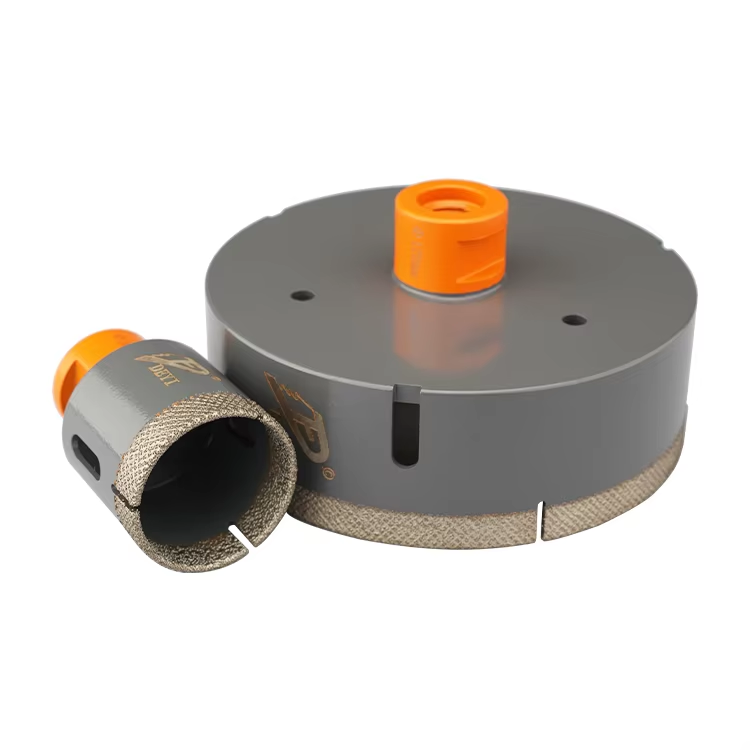
Understanding the Mechanism of Premature Diamond Pull-Out in Electroplated Bits
Defining Premature Diamond Pull-Out and Its Impact on Drilling Efficiency
When synthetic diamond grits come loose from electroplated drill bits before they've had a chance to do all their cutting work, that's what we call premature diamond pull-out. This kind of failure actually cuts down on how long tools last, sometimes as much as 40% shorter than expected. Instead of needing regular replacements and spending extra money on operations, this problem creates unnecessary expenses for manufacturers. What makes this different from normal wear and tear where diamonds gradually break down during use is that with premature pull-out, whole crystals remain intact in the debris left behind. This tells us there was a breakdown specifically at the point where diamond meets nickel in the bonding process.
The Role of Interfacial Bonding Between Diamond Crystals and Nickel Matrix
For drilling operations to work properly, diamonds need solid mechanical attachment inside the nickel matrix. There are basically three ways this happens: first, tiny pockets form around the edges of diamond crystals, second, nickel grows into the rough spots on surfaces creating dendrites, and third, compression stress builds up during electrodeposition. The strength of these connections is absolutely critical since they have to withstand shear forces reaching between 3 to 5 gigapascals when working with tough materials. When looking at nickel crystal arrangements, problems arise when we see inconsistent or random <100> orientations throughout the material. These inconsistencies create vulnerable areas where diamonds tend to come loose when subjected to pressure during operation.
How Weak Adhesion Leads to Early Diamond Loss and Reduced Tool Life
When the chemistry in plating baths isn't quite right, it can create those pesky gaps between carbon and nickel where they don't stick together properly. These tiny flaws become problem spots when tools go through repeated drilling cycles. Studies suggest that if the bonding area drops by around 15%, the holding power plummets by roughly half according to wear model calculations. What happens next is pretty bad too. When the diamonds start coming loose from these weak points, the bare nickel underneath gets worn away much quicker than areas still reinforced with diamonds. This wears down the whole structure faster, which means tools just don't last as long before needing replacement.
Bond Matrix Properties: Hardness, Wear Rate, and Structural Integrity
Premature diamond pull-out is frequently linked to mismatched bond matrix properties. The balance between hardness, wear rate, and structural integrity determines how well diamonds remain anchored during high-stress drilling operations.
Mismatched bond hardness accelerates diamond exposure and dislodgment
When the bond matrix gets too hard, it actually wears down slower than those diamond particles themselves. What happens then? The fresh cutting edges don't get exposed properly over time. And this causes problems downstream. Diamonds start popping out suddenly, cutting becomes less efficient overall, and tools just don't last as long maybe around 40% shorter lifespan in practice. On the flip side, if bonds are way too soft they break down far too fast. The diamonds aren't held securely enough for them to do their job properly. Manufacturers see this all the time when trying to balance performance against cost effectiveness.
Optimizing wear synchronization between bond and diamonds for retention
Maximum performance occurs when the bond matrix erodes in sync with diamond wear. Field studies show this synchronization improves diamond retention by 25–30%, ensuring consistent exposure of sharp cutting edges. Properly matched wear rates prevent both premature pull-out and inefficient dulling, maintaining aggressive cutting action throughout the bit’s life.
Contamination and improper composition weakening the electroplated matrix
Impurities or incorrect nickel-to-additive ratios introduce weak points in the matrix structure. Even 2–3% contamination can reduce interfacial bonding strength by 50%, increasing susceptibility to microcracking under thermal and mechanical stress. Regular in-process composition analysis and filtration help maintain uniform plating quality and robust diamond encapsulation.
| Factor | Impact on Retention | Mitigation Strategy |
|---|---|---|
| Bond hardness mismatch | Accelerated grit loss | Match hardness to drilled material |
| Asynchronous wear | Inconsistent cutting performance | Adjust cobalt/alloy ratios |
| Matrix contamination | Localized bond failure | Implement inline filtration systems |
Proper bond design integrates these factors to ensure diamonds remain securely anchored until fully worn.
Electroplating Quality and Bond Adhesion Defects
Poor Nickel Plating Adhesion Causing Delamination and Diamond Fallout
According to Abrasive Tool Society research from last year, about 38% of those early diamond losses in electroplated drill bits actually come down to poor bonding at the interface. When there's dirt on surfaces or when the plating prep isn't done right, it really messes with how well things stick together. This leads to tiny cracks forming when the tool is put to work under pressure. What happens next? Those little cracks grow bigger over time, creating paths where layers start peeling away. Eventually whole groups of diamonds just pop off the bit, leaving behind empty spots that do nothing for cutting performance. Pretty frustrating for anyone relying on consistent results from their equipment.
Insufficient Plating Thickness Reducing Diamond Anchoring Strength
Diamond grits aren't properly protected when electroplated layers fall below 30 microns thick, leaving around 40% of their surface vulnerable to sideways forces during operation. Research published last year showed drill bits with insufficient plating lost their diamonds at nearly double the rate (55% faster) while working on granite compared to properly plated counterparts. When diamonds aren't embedded deeply enough in the matrix, they tend to pop out long before they should wear down naturally, which cuts short their useful life significantly.
Impact of Impurities and Deposition Flaws on Bond Integrity
| Factor | Effect on Bond Strength | Diamond Retention Loss |
|---|---|---|
| Organic contaminants | Creates brittle zones | 22–34% increase |
| Oxide layers | Prevents metal diffusion | 18–27% reduction |
| Current density spikes | Uneven deposition | 41% higher fallout |
Defects such as entrapped air, chemical impurities, or uneven current distribution act as stress concentrators, promoting crack initiation and propagation. These flaws weaken the structural integrity of the nickel matrix. Manufacturers counteract these risks using multi-stage ultrasonic cleaning and real-time monitoring of bath chemistry.
Operational Factors Contributing to Premature Diamond Pull-Out
Excessive Drilling Pressure Exceeding Diamond Retention Capacity
Applying drilling force beyond 50–70 N/mm² risks exceeding the nickel matrix’s anchoring capacity. This overpressure induces micro-fractures at the diamond-bond interface, triggering premature pull-out. Studies show that bits subjected to 25% overpressure lose 40% of their diamonds within the first 20 minutes of operation compared to properly loaded tools.
Drilling Speed, Heat Generation, and Coolant Effectiveness
Getting the right drilling speed means finding that sweet spot between cutting through material and keeping things cool enough to avoid damage. When temps climb past around 350 degrees Celsius, the nickel bonds start to weaken pretty dramatically, losing about two thirds of their strength. Not having enough coolant flowing is another big problem area. Most standard 100mm bits need at least 2 liters per minute to stay within safe limits. Without sufficient cooling, heat builds up fast, which softens the matrix material and makes diamonds pop out of place much easier. Real world tests back this up too. Drilling without water tends to wear down those precious diamonds about three times quicker compared to when proper cooling is applied. Makes sense why shops that rely on diamond tools always emphasize good coolant systems.
Thermal Stress From Imbalanced Parameters Leading to Bond Degradation
When temperatures swing back and forth between 150 degrees Celsius and 400 degrees during stop-start drilling operations, it creates expansion differences at the point where nickel meets diamond material. After repeated heating and cooling cycles, this kind of thermal stress actually weakens the bond strength by around 18 to 22 percent after every hundred cycles. Keeping an eye on several key factors in real time makes all the difference. Coolant temperature differences need to stay below 15 degrees, motor speed should remain stable within plus or minus 5 percent, and applied force must not vary more than 10 percent from target levels. These small but critical adjustments help preserve the integrity of the bond. Industry experience shows that when operators manage to keep these parameters aligned properly, they often see tool life extend by as much as three quarters compared to standard practices.
Design and Manufacturing Solutions to Prevent Diamond Pull-Out
Optimizing Diamond Exposure and Encapsulation Depth in Matrix Design
When it comes to improving how well these tools hold up, manufacturers focus on getting just the right amount of diamond sticking out and how deep they're set into the material. If too much diamond is exposed, there's a real chance of mechanical problems down the line. On the flip side, if the diamonds aren't embedded enough, they won't stick properly either. Recent research from last year showed something interesting though. Bits where around 40 to maybe 50 percent of the diamond surface was visible, along with about 70 micrometers of coverage underneath, actually performed about 38 percent better than older models. The secret? Laser scanning creates detailed maps that help spread the diamonds evenly throughout the tool and make sure everything gets covered consistently when making them.
Surface Treatment of Diamond Grits to Enhance Interfacial Bonding
Applying metallization coatings (like titanium or chromium through vapor deposition) creates rougher diamond surfaces that actually lock into place within the nickel matrix. The result? Much stronger bonding between materials and significantly greater resistance when forces try to pull them apart. Some tests show this can make things up to three times more resistant. A few months ago during field testing, drill bits using these nickel coated diamonds lasted almost twice as long (about 62%) longer than regular ones while boring into granite rock formations. This kind of improvement means fewer replacements needed on site, saving both time and money for drilling operations.
Advanced Pulse Plating Techniques for Stronger Electroplated Bonds
Reverse pulse electroplating produces denser, more uniform nickel matrices by periodically reversing current flow. This method reduces void formation and internal stress, achieving a bond hardness of HV 450–22% higher than DC-plated matrices (HV 370). The refined grain structure resists microcrack propagation under cyclic loading, significantly improving durability.
Real-Time Monitoring of Operational Parameters to Extend Tool Life
Drill bits with built-in temperature and vibration sensors can actually adjust feed rates and coolant flow as they work. The sensor tech stops those hot spots from forming around 650 degrees Celsius or so, which would otherwise damage the connection between nickel and diamonds. Real world testing has found something pretty impressive too. When these smart drills maintain just the right amount of pressure while spinning at proper speeds, there's about half again less chance of diamonds pulling out during concrete jobs. That makes a big difference on construction sites where downtime costs money.
FAQs
What is premature diamond pull-out?
Premature diamond pull-out occurs when synthetic diamond grits detach from electroplated drill bits before completing their cutting work. This failure reduces tool lifespan by up to 40%.
How does nickel-matrix bonding affect tool efficiency?
Strong mechanical attachment between diamond crystals and the nickel matrix is crucial to withstand operational shear forces. Weak bonding leads to early diamond loss and reduced tool life.
Why is bond matrix hardness important?
The bond matrix's hardness balance affects diamond exposure and dislodgment. Mismatched hardness accelerates grit loss, while synchronized wear rates improve performance.
How can contamination affect electroplated bits?
Contaminants or improper nickel-to-additive ratios introduce weak points in the matrix, reducing bonding strength and increasing diamond pull-out susceptibility.
What role does operational pressure play in diamond retention?
Excessive drilling pressure risks exceeding the matrix's anchoring capacity, causing micro-fractures and premature diamond pull-out.
How can manufacturers prevent premature diamond pull-out?
Designing appropriate matrix properties, optimizing diamond exposure, applying surface treatments, and using advanced plating techniques all contribute to preventing pull-out.
Table of Contents
- Understanding the Mechanism of Premature Diamond Pull-Out in Electroplated Bits
- Bond Matrix Properties: Hardness, Wear Rate, and Structural Integrity
- Electroplating Quality and Bond Adhesion Defects
- Operational Factors Contributing to Premature Diamond Pull-Out
- Design and Manufacturing Solutions to Prevent Diamond Pull-Out
- FAQs