
 EN
EN
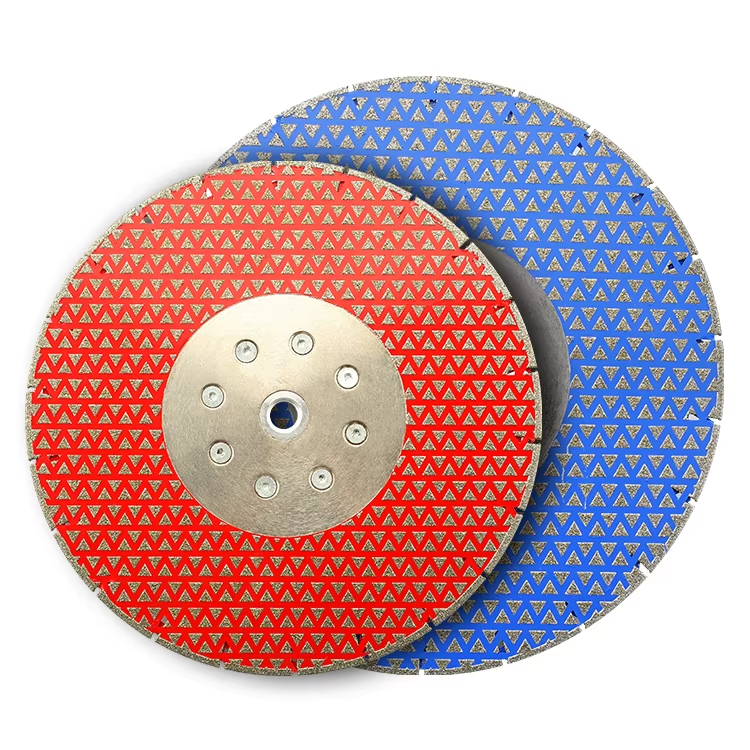
Ensuring Blade CNC Compatibility Through Critical Mechanical Specifications
Matching arbor size, blade diameter, and maximum RPM to CNC spindle requirements
Getting the mechanical alignment right is essential when it comes to making sure blades work properly with CNC machines. Start by checking if the arbor size actually fits the spindle shaft. When these don't match up, things start going wrong fast with vibrations, slippage issues, and parts wearing out much quicker than they should. Then pick a blade diameter that works with what your CNC can handle in terms of cutting depth and how thick the material is. Going too big with the blade isn't just a bad idea either since this can bump up torque requirements anywhere from 30 to 40 percent, putting extra strain on motors and controllers across the board. And here's something important nobody likes to talk about but needs to know: staying within the blade's maximum RPM rating matters a lot. Industry reports indicate that blades pushed even 10% beyond their rated speed tend to break down around two thirds faster because of those nasty stress fractures caused by centrifugal force. Anyone working with countertop fabrication setups would be wise to stick with blades rated for at least 5,000 RPM so they can take advantage of today's high speed spindles without compromising the quality of cuts made.
Calculating peripheral speed (SFPM) and its effect on cutting efficiency and blade life
The surface feet per minute (SFPM) metric controls how well cutting operations perform, calculated using the formula Blade Diameter multiplied by pi times RPM divided by twelve. When working with granite, fabricators generally aim for around 9,000 to 11,000 SFPM to get good results from their equipment. If the SFPM drops too low, something called glazing happens where the diamond segments start polishing instead of actually cutting through the material. This not only wastes power (upwards of 25% extra energy usage) but also wears out blades much faster than normal. On the flip side, pushing SFPM too high creates excessive heat that can reach over 600 degrees Fahrenheit, which melts away the metal bonding agents holding diamond segments together, causing them to fall off prematurely. A safe rule of thumb is keeping SFPM between 16 and 18 units per diamond grit size to maintain a decent balance between cutting speed and tool lifespan. Most stone processors will tell you that inconsistent speed settings are responsible for roughly half of all early blade failures, so regular SFPM checks aren't just about performance anymore they've become a standard practice for ensuring proper integration with modern CNC systems.
Choosing Rim Style and Kerf Design for Precision Countertop Cutting
Continuous, turbo, and segmented rims: impact on cut quality, chip evacuation, and CNC feed stability
The continuous rim blades give those smooth, vibration free cuts that work great for finishing marble surfaces. But watch out they need to run at slower speeds otherwise they'll overheat pretty quickly. Then there are turbo rims with those distinctive serrated edges that really boost chip removal by around 40 percent when working with granite and quartz materials. This helps prevent material from sticking back onto the blade while keeping things running smoothly during cutting operations. When it comes to deeper cuts where heat builds up fast, segmented rims tend to perform better especially in quartz slab cutting situations. They handle all that heat buildup pretty well but sometimes leave behind small striation marks along the edges of finished pieces. Most shops doing large volumes of CNC work gravitate toward turbo designs because they evacuate chips evenly and stay rigid enough to maintain steady feed rates throughout production runs. This means fewer instances of motors stalling out mid cut and less chance of parts coming out with inconsistent dimensions.
| Rim Type | Best For | Chip Evacuation | Feed Rate Impact |
|---|---|---|---|
| Continuous | Marble/Polishing | Moderate | Reduced by 20% |
| Turbo | Granite/Quartz | High | Optimal |
| Segmented | Deep Cuts | Very High | Increased |
Narrow-kerf vs. standard-kerf blades: balancing material savings, machine load, and dimensional accuracy
Blades with narrow kerfs measuring between 2.0 and 2.5 mm can cut down on wasted material from premium stone slabs by around 15%, which definitely helps improve project profits. The downside though is these blades put about 30% more strain on the spindle than regular 3.2 mm kerf blades. This extra load creates problems for older or less powerful CNC machines since vibrations tend to cause inaccurate cuts. Standard width blades are generally better when it comes to staying rigid and keeping measurements consistent. This matters a lot for those thick countertop edges where even small blade movement can throw off tolerances. Most experienced fabricators run some sort of kerf width test first before attempting those tricky precision miters, just to make sure everything fits together properly and works as intended without any issues down the line.
Selecting Application-Specific Blades for Granite, Marble, and Engineered Stone
Diamond concentration, bond hardness, and segment geometry tailored to stone type and CNC processing demands
The hardness and makeup of different stones determine what kind of diamond concentration, bond hardness, and segment design works best for cutting them. Granite is super abrasive stuff, so we usually need blades with around 30 to 40 percent diamond concentration plus hard metal bonds just to keep up with how fast it wears down regular equipment. Marble on the other hand is softer but breaks easily, which means medium bond blades with about 20-30% diamond content work wonders for keeping those fancy CNC profiles clean without chips flying everywhere. When dealing with engineered quartz surfaces, medium hard bonds along with laser welded segments really shine because they hold up against all that high speed cutting without falling apart at the seams. Getting the segment height right between 7 and 10 millimeters matters a lot too, as does making sure the gullets are shaped properly so chips can escape continuously during automation runs. This helps cut down heat buildup somewhere around 15 to 20 percent. Porcelain requires some special attention too with ultra thin kerf designs measuring 2.0 to 2.5 mm thickness combined with fine grit diamonds under 50 mesh size to maintain exact dimensions when doing those tight tolerance CNC jobs. Always match these settings to what the machine can actually handle in terms of torque and feeding speed though, since deflection remains the biggest problem folks face when trying to get good results from their CNC machines. Fixing this issue alone can extend blade life significantly according to what most shops report in practice.
Optimizing CNC Operational Parameters to Maximize Blade CNC Compatibility and Longevity
Synchronizing feed rate, spindle speed, and depth of cut to prevent vibration, chipping, and premature wear
Getting real compatibility between blades and CNC machines depends heavily on getting the feed rate, spindle speed, and depth of cut all working together properly. This is particularly important when making countertops since nobody wants poor edge quality or sloppy joints. When these settings don't match up, it creates vibrations that can really shorten blade life sometimes by as much as 40%, plus causes those annoying chips along edges especially noticeable in materials such as marble. For best results, keep surface feet per minute within certain ranges. Granite typically needs around 9,000 to 11,000 SFPM while quartz composites work better between 7,000 and 9,000 SFPM. These numbers aren't just random figures but represent what works well based on material properties and cutting dynamics.
Balance these interdependent factors:
- Feed rate: Too fast induces deflection and poor surface finish; too slow causes glaze buildup and inefficient heat dissipation
- Spindle speed: Excessively high RPM degrades diamond bonds thermally; insufficient speed reduces cutting efficiency and increases dwell time
- Depth of cut: Full-depth passes overload the blade; shallow, multi-pass strategies distribute thermal and mechanical stress, extending tool life
The machine needs to adjust on the fly according to how the material responds in real time and what kind of blade is being used. When working with tough granite, operators should cut back feed rates about 15 to maybe even 20 percent compared to when cutting softer stone types. At the same time, keeping spindle speeds right around that sweet spot SFPM range remains critical. Monitoring all these parameters continuously matters a lot more than most people realize. It's not enough to check things once before starting the job. We've seen too many problems happen when someone forgets to keep an eye on them during the actual cutting process. This constant watch helps avoid unwanted vibrations, keeps those kerfs looking consistent, and ultimately makes sure the pieces fit together without gaps when creating those beautiful countertop seams customers expect.
FAQ
What is the importance of matching arbor size to the CNC spindle?
Matching the arbor size ensures proper mechanical alignment with the CNC spindle, preventing issues like vibrations, slippage, and premature wear.
Why does blade diameter matter in CNC operations?
Blade diameter must be suitable for the CNC's cutting capabilities; an incorrect size can increase torque demands and strain CNC mechanisms.
What happens if a blade exceeds its maximum RPM rating?
Operating a blade above its maximum RPM can cause stress fractures and reduce its lifespan by up to two-thirds due to centrifugal forces.
How does SFPM affect blade performance?
SFPM determines cutting efficiency and blade wear, with both low and high SFPM negatively impacting speed, power use, and heat production.
What are the differences between rim types?
Continuous rims offer smooth finishes for marble, while turbo rims allow for efficient chip removal in granite, and segmented rims excel in deep cuts with better heat handling.
What considerations are important for narrow-kerf blades?
Narrow-kerf blades save materials but can stress older CNC machines; hence, a balance between kerf width and machine capacity is crucial.
Why is diamond concentration important for cutting different stone types?
Diamond concentration, bond hardness, and segment geometry need to be tailored to stone properties to ensure effective and efficient CNC processing.
Table of Contents
- Ensuring Blade CNC Compatibility Through Critical Mechanical Specifications
- Choosing Rim Style and Kerf Design for Precision Countertop Cutting
- Selecting Application-Specific Blades for Granite, Marble, and Engineered Stone
- Optimizing CNC Operational Parameters to Maximize Blade CNC Compatibility and Longevity
-
FAQ
- What is the importance of matching arbor size to the CNC spindle?
- Why does blade diameter matter in CNC operations?
- What happens if a blade exceeds its maximum RPM rating?
- How does SFPM affect blade performance?
- What are the differences between rim types?
- What considerations are important for narrow-kerf blades?
- Why is diamond concentration important for cutting different stone types?