
 EN
EN
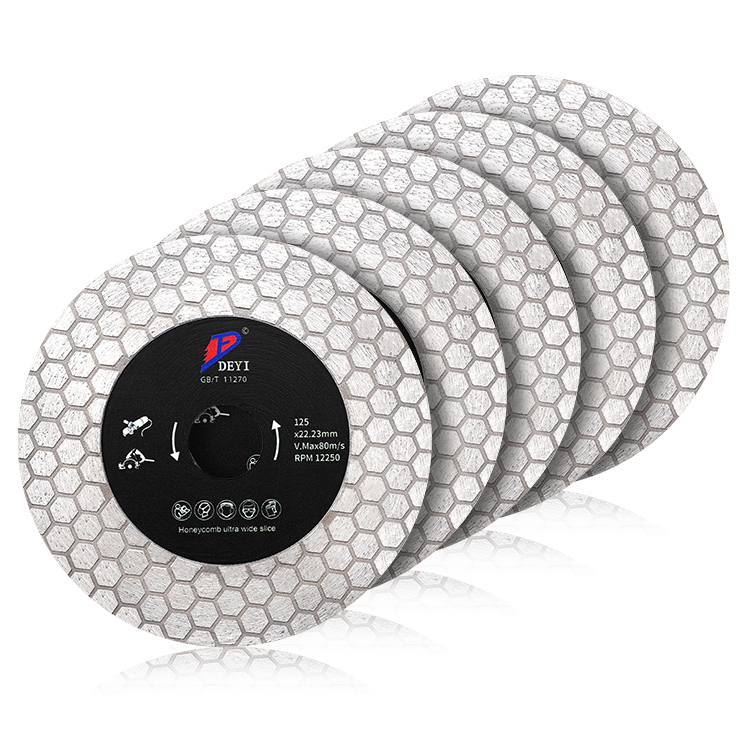
Structural Design and Functional Differences in Segmented vs Continuous Rim Blades
How segment gaps enable debris removal and reduce binding in abrasive materials
Diamond blades with segments have those gaps between the cutting parts, and these spaces actually work as little escape routes for all that concrete dust and rock bits when cutting. When working on tough stuff like reinforced concrete or brick walls, these spaces stop the mess from piling up right where we're cutting. If there weren't any gaps at all, things get really hot real fast, the blade gets stuck, and it wears out much quicker than normal. The whole segmented setup keeps the cutting going smoothly and makes life easier for whoever's holding the saw. Most professionals notice they can work about 30 percent faster with segmented blades instead of those solid rim ones that don't have any gaps whatsoever.
Why continuous rim blades prioritize smooth finish over aggressive cutting
Continuous rim blades feature a solid diamond edge that cuts down on vibrations and spreads the cutting force across the whole blade. They work best when dealing with fragile stuff like porcelain tiles or marble surfaces where chips along the edges are totally unacceptable. These blades might take around 20 percent longer to get through material compared to segmented ones, but what they lack in speed they make up for in finish quality. The end result looks almost polished with hardly any tiny cracks forming beneath the surface. When appearance matters most, these continuous rim blades beat out segmented options hands down for how smooth and clean they leave the cut surface, even if it does mean waiting just a bit longer for the job to complete.
Superior Heat Management and Dry-Cutting Suitability of Segmented Blades
When comparing segmented vs continuous rim blades, heat dissipation is a critical factor in construction efficiency. Segmented blades are particularly well-suited for dry cutting, where water cooling is impractical, due to their inherent thermal management capabilities.
Role of gullets in heat dissipation during prolonged dry cutting
Air can move through the spaces between blade segments, which creates a kind of natural cooling system for the tool. When cutting tough stuff like concrete for long periods, this airflow really matters because it draws heat away from where the diamonds are bonded to the blade. Without this feature, blades would get too hot too fast and lose their cutting power. The way these gaps work means the blade stays cooler longer than those old style solid edge designs, making them much better for jobs where water isn't available to help with cooling.
Why continuous rim blades risk glazing and thermal damage without water cooling
Continuous rim blades without gullets don't have good ways to get rid of heat, so they tend to overheat when cutting dry materials. Once things start getting too hot around 600 degrees Fahrenheit, the metal holding everything together gets stressed out, which makes those precious diamonds either fall off or crack apart. What happens next is called glazing, where the blade surface becomes super smooth and shiny, basically cutting much slower because it loses about half its effectiveness. The steel part inside might even bend out of shape from all this heat buildup. Since there's no water coming in to keep things cool and wash away the chips, these blades wear down fast and often break completely within just a few minutes of operation. That's why most people only use them for quick jobs or when working with water available nearby.
Cutting Speed, Efficiency, and Material Removal Rate in Real-World Construction
When it comes to construction sites where getting things done fast matters most, segmented diamond blades tend to be what everyone reaches for. Their open segment design does a great job at clearing away all that abrasive slurry and rebar dust that builds up during cutting operations, which cuts down on friction and lets the blade spin at those high RPMs without overheating. What this means in practice is significantly faster cutting speeds compared to continuous rim blades when working with reinforced concrete materials. We're talking about around 20 to 30 percent improvement in actual field conditions. For big projects such as tearing down bridges or doing foundation work, these kinds of efficiency gains can really make a difference in how long a job takes and ultimately affect labor expenses across the board.
When there's no water cooling available, continuous rim blades need to run slower so they don't overheat. These blades work great for doing detailed finishing jobs on stone surfaces or tiles, but honestly, their slow speed just doesn't cut it for big volume work where time matters. That's where segmented blades shine. They keep cutting power without stopping much, which is why most contractors grab them for jobs where getting stuff done quickly is the priority. For anyone dealing with tight deadlines and large quantities, these segmented blades simply make more sense in the long run.
Durability, Wear Resistance, and Long-Term Value in Harsh Site Conditions
How segmented design distributes wear and extends usable life on reinforced concrete
Blades with segments tend to last longer because they spread out the cutting force over several separate parts instead of concentrating everything on one spot. The spaces between these segments act as little shock absorbers, so when the blade hits tough stuff like rebar or rough aggregate materials, it doesn't get too hot in just one area. What happens is pretty straightforward actually the wear gets distributed more evenly across the whole blade rather than wearing down fast in those really stressed spots. Contractors who have tested this in real world conditions report that segmented blades can stick around about 40 percent longer compared to regular solid edge blades when cutting through reinforced concrete structures. That means replacing them less often and saving money over time. Anyone running equipment in tough construction sites knows that getting more life out of cutting tools makes all the difference in project budgets and timelines.
Application Flexibility: Matching Segmented Blades to Diverse Construction Materials
Segmented blades work really well with all sorts of construction materials out there these days. Think reinforced concrete, asphalt roads, brick walls, even those tricky composite structures we see more often now. The way they're designed helps clear away debris much better than other blades, so workers don't get stuck switching from one material to another, say going from regular concrete right into embedded steel parts. This means crews can finish jobs faster since they aren't constantly swapping blades around. Some contractors have actually seen their mixed material jobs go about 30 percent quicker just by using these specialized blades. And let's face it, nobody wants to deal with unexpected stuff like granite curbs or slabs full of rebar while working on tight deadlines. That's why most experienced builders consider segmented blades almost mandatory equipment for any big infrastructure project where different materials keep showing up throughout the job site.
FAQ
What are the main differences between segmented and continuous rim blades?
Segmented blades are designed with gaps that enable debris removal and reduce binding in abrasive materials, making them ideal for faster cutting and dry-cutting applications. Continuous rim blades, while slower, deliver a smoother finish and are preferred for fragile materials where a polished look is important.
Why do segmented blades perform better for dry-cutting operations?
The gaps in segmented blades allow for improved heat dissipation, preventing overheating and maintaining cutting power over prolonged use without water cooling, unlike continuous rim blades which risk overheating and damage when cutting dry materials.
How do segmented blades offer greater durability in construction settings?
Segmented blades distribute wear across multiple segments, extending their usable life, especially in harsh conditions such as cutting through reinforced concrete. This results in longer-lasting blades that need less frequent replacements, saving money over time.
Can continuous rim blades be used without water cooling?
While it's possible, continuous rim blades risk overheating and glazing without water cooling, making them less effective and potentially damaging the blade due to loss of diamond segments and structural integrity.
Table of Contents
- Structural Design and Functional Differences in Segmented vs Continuous Rim Blades
- Superior Heat Management and Dry-Cutting Suitability of Segmented Blades
- Cutting Speed, Efficiency, and Material Removal Rate in Real-World Construction
- Durability, Wear Resistance, and Long-Term Value in Harsh Site Conditions
- Application Flexibility: Matching Segmented Blades to Diverse Construction Materials
- FAQ