
 EN
EN
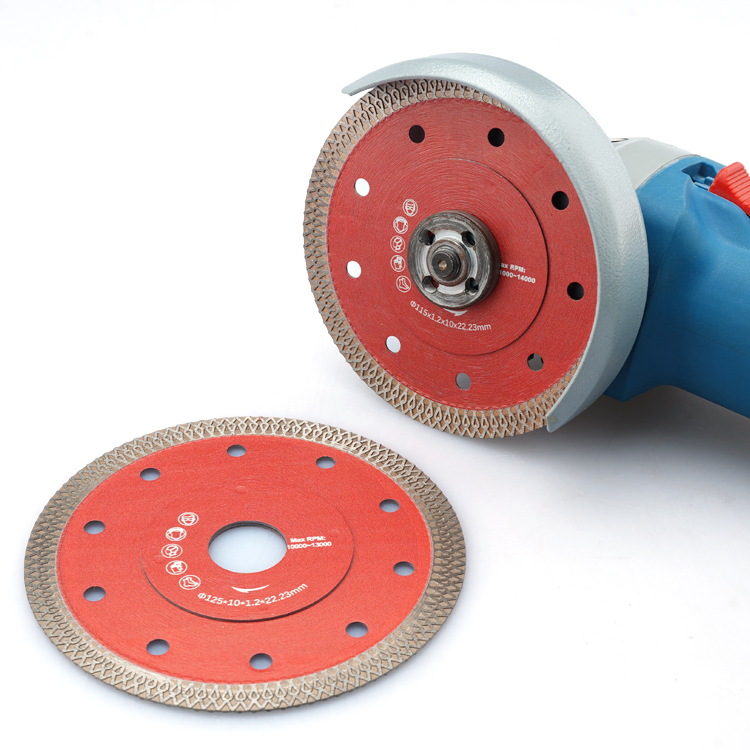
How Hybrid Bond Technology Enhances Thermal Stability and Compatibility
Mitigating thermal degradation in hybrid diamond/CBN abrasive systems
Hybrid abrasive systems combine diamond and cubic boron nitride (CBN) grains to manage heat better than traditional methods thanks to specially designed bond structures. Traditional bonding materials just don't cut it anymore. The new hybrid formulas actually mix in thermally conductive ceramics along with some metallic alloys that help get rid of the heat generated during grinding processes. This means temperatures at the contact point drop around 300 degrees Fahrenheit compared to regular single-abrasive tools according to Abrasive Engineering Society data from 2023. Keeping things cool is important because it stops diamonds from turning into graphite when temps hit below 1,400 degrees and keeps CBN from changing phases above 1,800 degrees. Basically, this preserves the quality of those expensive abrasive grains even under tough conditions. Manufacturers have noticed something interesting too. They're seeing about 40 percent less wear on their tools when working with hardened steels and superalloys. And looking at the 2023 AES report on how heat affects abrasives, these hybrid systems last significantly longer between needed dressings in continuous grinding operations, roughly 2.3 times longer than standard options.
| Bond Type | Thermal Conductivity (W/mK) | Max Operating Temp (°F) | Grain Retention |
|---|---|---|---|
| Traditional Resin | 0.2–0.5 | 400 | Low |
| Vitrified | 1.2–2.5 | 1,000 | Medium |
| Hybrid Bond | 8–15 | 1,600 | High |
Overcoming bond compatibility challenges in engineered hybrid grinding wheels
Combining diamond and CBN in one cutting wheel presents some serious challenges because these materials just don't play well together naturally. Diamond works great when bonded to metal, but CBN needs something different entirely - usually a stable vitrified or ceramic matrix makes sense for it. Smart engineers have come up with hybrid bonding solutions though. These advanced designs basically create layers within the wheel structure. The metal parts hold the diamond grains securely in place, while special ceramic sections form those all important chemical connections with the CBN particles. This layered approach helps deal with the big problem of thermal expansion differences that can reach over 8 micrometers per meter degree Celsius. New nanocomposite binders are making things even better at the interface between materials, getting us above 90% effective grain usage compared to around 70% in older systems. Real world results show about 25% faster material removal when working with titanium, plus no more worrying about bond fractures happening mid-cut. And yes, these improvements have passed the rigorous testing protocols set by NIST for material compatibility.
Performance Advantages: Longer Tool Life, Superior Surface Finish, and Higher MRR
Increased material removal rates and reduced cycle times in hardened steels
When it comes to working with hardened steels, hybrid abrasive systems can boost material removal rates anywhere from 20 to maybe even 30 percent compared to traditional methods. They achieve this by combining the incredible hardness of diamonds with the heat resistance properties of cubic boron nitride (CBN). What this means is manufacturers can push their cutting parameters harder without worrying about damaging surfaces. The tools stay sharp even when temperatures climb past around 1,400 degrees Fahrenheit, which is way beyond what most standard abrasives can handle before they start breaking down. Less wheel glazing occurs too, so there's better performance under pressure during grinding operations. For parts that really matter, such as gear shafts or those tiny but vital bearing races, these improvements cut down on cycle times by roughly a quarter. And let's face it, shorter cycles translate into real money savings on each individual part produced.
Tool life and wear resistance: Diamond vs. CBN vs. hybrid abrasive systems
Diamond works great for non-ferrous materials but starts to graphitize quickly once temperatures hit around 1,472 degrees Fahrenheit during ferrous metal grinding. On the flip side, CBN performs better with ferrous metals but has trouble handling those pesky non-ferrous inclusions. That's where hybrid systems come into play. These systems use smart bonding techniques that expose either diamond or CBN grains depending on what kind of material is being worked on. When dealing with parts made from different materials, these hybrid setups can last anywhere from 40 to 50 percent longer than tools using just one type of abrasive. And there's another benefit worth mentioning too: hybrid wheels show about 35% less radial wear compared to CBN alone when working on carbide tipped tools. This means better dimensional control throughout long production cycles without constant tool changes.
Cost-Effectiveness of Hybrid Abrasive Systems Despite Higher Initial Investment
Why higher upfront cost leads to lower cost-per-part in precision grinding
Hybrid abrasive systems do cost about 20 to 40 percent more upfront compared to regular single-abrasive options, but they still make financial sense in the long run. The special bonding technology actually makes these grinding wheels last around 30% longer than standard CBN wheels when working with hardened steel. This means fewer replacements needed and less time lost waiting for machines to stop. At the same time, parts get processed faster since material removal rates are typically 15 to 25% better. For manufacturers running large scale operations that handle over 10 thousand parts each month, these savings usually pay back the extra investment within just six to twelve months. What starts as a bigger expense ends up being money well spent when looking at overall profits over time.
Critical Applications in Hard-to-Grind Metals and Precision Tool Manufacturing
Effective grinding of carbide, hardened steels, and high-speed steels (HSS)
When it comes to tough materials like carbide, hardened steel, and those tricky high speed steels (HSS), hybrid abrasive systems really shine where regular grinding wheels just can't keep up. Carbide is so hard that it eats through standard wheels pretty fast. Hardened steel creates all sorts of problems with heat during grinding operations. And then there's HSS which throws another wrench into things because of its inherent toughness. The magic happens when we combine diamond and cubic boron nitride (CBN) abrasives. Diamond particles hold their shape better against carbide surfaces, while CBN handles the heat issues associated with steel grinding. Manufacturers have seen real improvements from this combo approach - about a quarter less workpiece burning and around 30% longer wheel life before replacement becomes necessary. These results translate to consistently smooth finishes under 0.2 microns Ra right across critical parts for aerospace turbines.
Case study: Enhancing productivity in carbide round tool manufacturing
One major player in the cutting tool industry recently switched to hybrid abrasive systems for their end mill manufacturing process. What happened next was pretty impressive - they managed to cut down cycle times by around 22%, all while maintaining tight tolerances of plus or minus 0.005 mm. When it came to working with tungsten carbide blanks, the material removal rates jumped up 35% compared to traditional grinding wheels. And there was another benefit too: operators needed to change wheels 40% less frequently because the new system handled different materials much better thanks to improved bonding properties between components. Looking at the bottom line, this translated into an 18% reduction in cost per part manufactured, along with a significant boost in overall production capacity that hit 28%. Best of all, none of these gains came at the expense of surface quality during those critical precision flute grinding operations.
FAQ
Q: What are the key benefits of using hybrid abrasive systems?
A: The benefits include improved thermal stability, longer tool life, superior surface finish, higher material removal rates (MRR), and reduced wear on abrasive grains.
Q: How do hybrid abrasive systems improve cost-effectiveness?
A: Despite higher upfront costs, hybrid systems offer longer lifespan, faster processing, and reduced replacement frequency, leading to lower long-term operational costs.
Q: What materials benefit the most from hybrid abrasives?
A: Hybrid systems are particularly effective in grinding carbide, hardened steels, high-speed steels (HSS), and other difficult-to-grind metals.
Q: How does the hybrid bond's thermal conductivity compare to traditional bonds?
A: Hybrid bonds provide significantly higher thermal conductivity (8–15 W/mK), improving heat dissipation during grinding operations.
Table of Contents
- How Hybrid Bond Technology Enhances Thermal Stability and Compatibility
- Performance Advantages: Longer Tool Life, Superior Surface Finish, and Higher MRR
- Cost-Effectiveness of Hybrid Abrasive Systems Despite Higher Initial Investment
- Critical Applications in Hard-to-Grind Metals and Precision Tool Manufacturing