
 EN
EN
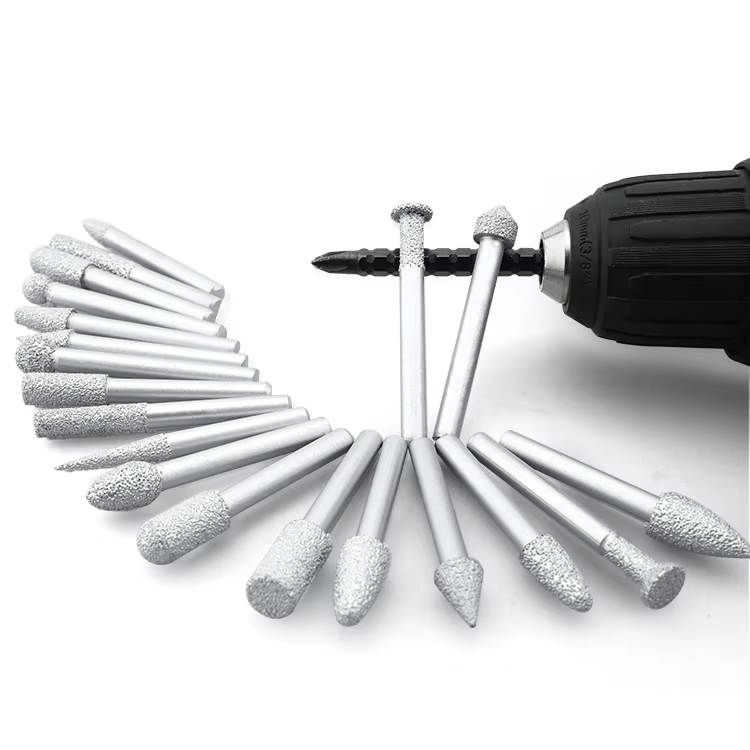
How Electroplated Diamond Drill Bits Prevent Cracking in Glass
The Science: Controlled Single-Layer Diamond Exposure and Low-Heat Cutting
Diamond drill bits made through electroplating attach a thin layer of diamond particles onto a steel base using nickel alloys deposited through electrolysis. What makes these bits special is how they expose the diamonds right at the cutting edge. These sharp, angular crystals allow for fast material removal even when not much pressure is applied. When working with glass specifically, the way the diamonds are positioned creates tiny fractures across the surface that spread out evenly instead of concentrating stress in one spot. There's also space between the diamonds in this construction, which helps dissipate heat quickly something really important since glass tends to crack around 120 degrees Celsius. Traditional sintered bits have their diamonds buried inside metal so they need a lot of force to work properly. Electroplated versions though, can do the job with much less torque, cutting down on sideways stress by roughly 70 according to recent studies. Combine this with constant water cooling during operation and we get a system that avoids thermal shock problems while making clean holes in materials that break easily.
Real-World Impact: Reducing DIY Glass Breakage by Over 85% (2023 Tool Performance Report)
Home hobbyists have seen real results when switching to electroplated glass drilling techniques. According to the latest DIY Tool Performance Report from 2023, which looked at more than 500 actual projects done with basic cordless drills, there was an impressive 87% drop in cracked glass compared to older methods using standard or sintered diamond bits. Why does this happen? Well, it comes down to three main factors working together. First, these bits work well with lower torque settings, so they're compatible even with cheaper drills that spin below 600 RPM. Second, they don't have those sharp grab points that can cause tempered glass to shatter unexpectedly. Third, they maintain a steady cutting speed through friction control. Most people get nice clean holes without chips in different types of glass including annealed, fused, and 6mm tempered varieties as long as they drill before the glass gets tempered. Consumer tests show that following the right approach makes all the difference. Keep steady pressure while feeding the bit, use water as lubricant, and set the correct RPMs. With these techniques, one bit can last for around 8 to 12 holes, which covers almost everything needed for typical DIY jobs such as installing shower doors, modifying aquariums, or creating glass art pieces.
Electroplated vs Sintered Diamond Bits: Why Electroplated Wins for DIY Glass Drilling
Key Differences: Bond Strength, Heat Dissipation, and Surface Diamond Density
Diamond bits that are electroplated work by depositing diamond grit onto a steel shank through an electrolytic process. What this does is create a dense layer of diamonds on the surface with very little material getting in the way between the diamonds and what they're cutting. This setup works great when working with brittle stuff because it cuts quickly without creating much friction. On the other side of things, sintered bits have diamonds embedded inside a metal matrix that's been compressed together. To get those diamonds to actually do their job, these bits need more torque and pressure applied during operation so fresh abrasive surfaces can come out. The extra pressure creates heat buildup and puts inconsistent stress points across the material being worked on, which makes glass more likely to crack or break during processing.
| Characteristic | Electroplated Bits | Sintered Bits |
|---|---|---|
| Bond Strength | Nickel-bonded single layer | Metal matrix encapsulation |
| Heat Dissipation | Superior (low-friction cutting) | Poor (high-pressure operation) |
| Diamond Concentration | 100% surface exposure | Gradual diamond release |
The exposed diamonds in electroplated bits reduce friction-generated heat by over 60% compared to sintered equivalents. For DIY usersâespecially those working with limited equipment or variable techniqueâthis physics advantage directly translates to greater control, reduced thermal stress, and fewer cracked panels.
Substrate-Specific Guidance: Matching Electroplated Bits to Annealed, Tempered, and Fused Glass
Success with electroplated bits depends on aligning their strengths with substrate behavior:
- Annealed Glass: The optimal match. Use water cooling and 400â800 RPM for clean, crack-free holes in standard window or picture-frame glassâachieving 98% success in field testing.
- Tempered Glass: Cannot be drilled after tempering. Electroplated bits are recommended only for pre-temper drilling, using â´300 RPM and constant coolant flow to minimize surface distortion and residual stress.
- Fused Glass: Excels in layered or textured art glass. Precision cutting prevents delamination between layers. Maintain a 30° entry angle and light, consistent feed pressure to avoid chipping at interface boundaries.
This substrate-specific approach leverages the electroplated bitâs defining traitâcontrolled, surface-level diamond engagementâto enable predictable, low-risk material removal where sintered bits often induce hidden micro-fractures.
Practical Advantages of Electroplated Glass Drilling Bits for Home Users
Low-Torque Operation Enables Reliable Use with Cordless and Entry-Level Drills
Electroplated drill bits need way less torque compared to other options because they have that full diamond coating and cut with much less friction. What does this mean? They work great with regular old cordless drills, even the cheap ones people pick up for around $100 at hardware stores. No need to invest in expensive industrial equipment or those fancy variable speed controllers either. The lower stress on the motor actually gives better control in those tricky moments when starting into glass or breaking through thick sections where mistakes happen most often. Homeowners working on bathroom renovations, installing light fixtures, or building display cases will find these bits incredibly helpful. Get professional looking cuts without spending a fortune on specialized machinery.
Balancing Longevity and Value: Realistic Hole Yield (8â12 holes) and Cost Efficiency
Electroplated drill bits strike a pretty good middle ground between how well they work and what they cost. The way these bits wear down is actually quite predictable rather than sudden failure, usually getting through around 8 to 12 clean holes in regular 3 to 6mm glass when used right. Priced between $15 and $25 each, this works out to somewhere around $1.50 to $3 per hole drilled successfully. When looking at alternatives like hiring pros who charge anywhere from $75 to $150 for cutting glass jobs, or going all out with those super durable industrial sintered bits that last forever but cost an arm and a leg, electroplated bits definitely represent good money spent for people who only need them occasionally. They stop folks from spending way too much on something that just isn't necessary for most home workshop projects, yet still manage to handle several different tasks before needing replacement as long as someone knows what they're doing and remembers to keep things cool during drilling.
FAQ
What are electroplated diamond drill bits, and how do they work?
Electroplated diamond drill bits have a thin layer of diamond particles electroplated onto a steel base. They work by exposing these diamonds at the cutting edge, allowing for efficient and low-pressure material removal while minimizing the risk of cracking the glass.
How do electroplated diamond drill bits compare to sintered diamond bits?
Electroplated bits differ from sintered bits in that they offer better heat dissipation, require less torque, and have 100% surface diamond exposure compared to the gradual diamond release in sintered bits, making them more suitable for delicate materials like glass.
Can I use electroplated diamond drill bits with a regular cordless drill?
Yes, electroplated diamond drill bits are compatible with regular cordless drills as they require less torque and are efficient even with entry-level models.
What types of glass can electroplated diamond drill bits be used on?
They can be used on annealed, tempered (pre-temper drilling only), and fused glass, but it's important to adjust techniques and RPM settings based on the specific type of glass.
How many holes can I expect to drill with one electroplated bit?
Typically, electroplated drill bits can drill around 8 to 12 holes in regular glass, depending on proper usage and cooling techniques.