
 EN
EN
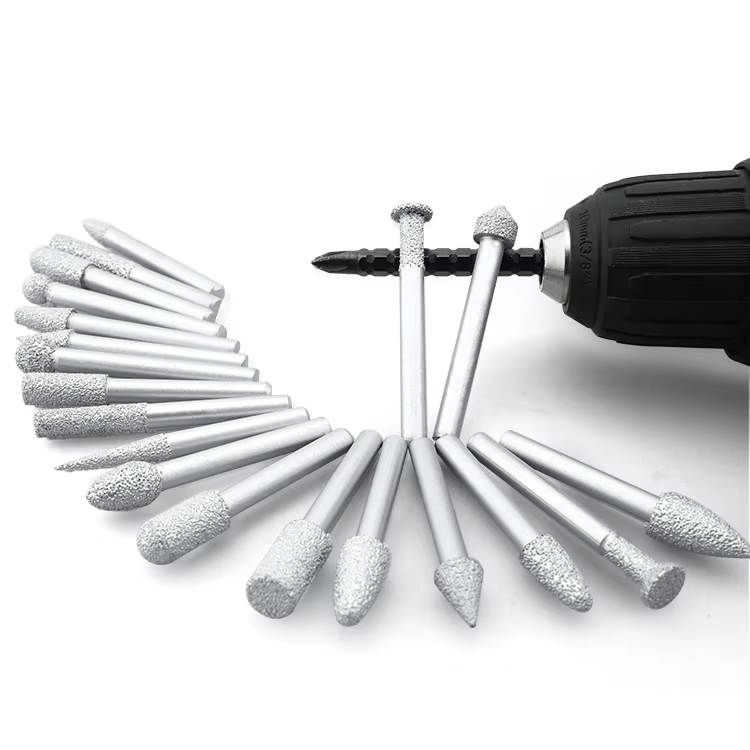
Superior Bond Strength and Structural Integrity in Vacuum Brazed Deep Drilling
How vacuum brazing enhances diamond segment adhesion and thermal stability
Vacuum brazing forms strong metal bonds between diamond segments and steel cores, often making them around 30% stronger compared to regular sintering methods. By creating these bonds in an environment without oxygen, it stops oxidation from happening, which leads to consistent interfaces free from defects. The resulting seal helps prevent tiny cracks from forming when there's heat stress, so the segments stay intact even if drill bits get really hot, sometimes going over 600 degrees Fahrenheit during long concrete drilling jobs. Compared to electroplated options, vacuum brazed bits spread out the heat more evenly across the whole segment surface. This means no single spot gets too hot and starts wearing down the diamonds faster. Plus, the solid diamond structure holds together better when working with rough materials like certain types of rock and concrete mixtures found on construction sites.
Performance advantages in high-density and reinforced concrete
When working with steel rebar reinforced concrete, vacuum brazed drill bits actually stand out because they can handle vibrations about 40% better than regular sintered ones. This is mainly due to how the material bonds together in one solid piece, which helps spread out those annoying harmonic stresses before they start cracking at the joints between segments. For really tough concrete that's over 4,000 psi strong, these bits stay cooler during operation too. The improved heat handling means less glazing builds up on the cutting edges, so the tool keeps moving through the material at a steady pace even when drilling deep holes. Real world testing has shown that these specialized bits manage to cut roughly half again as much distance in Ultra High Performance Concrete (UHPC) before needing to be sharpened again. Another big plus worth mentioning is that since there are no binding agents used in the joint area, there's basically zero chance of corrosion happening when water based coolants get used in underwater drilling situations.
Advanced Thermal Management for Prolonged Vacuum Brazed Deep Drilling
Turbo segment design and its role in heat dissipation and dust ejection
Turbo segments with those spiral grooves do a pretty good job handling heat and all that concrete dust when drilling really deep holes. The spirals basically kick out around 90-95% of the dust as it cuts through, which means fresh diamonds stay exposed on the cutting surface. That makes a big difference because it cuts down heat accumulation by roughly 40% compared to regular flat segments. What happens next is pretty cool too. The air flowing through these channels actually keeps the blade cooler while it's working, so the diamonds don't wear out as fast. This allows contractors to maintain steady cutting speeds even when going past 18 inches into reinforced concrete structures without worrying about overheating or losing efficiency halfway through the job.
Cooling strategies: Water vs. air cooling and the role of wax filling
For continuous deep drilling work, water cooled systems still stand out as the best option since they can drop core temps around 200 degrees Fahrenheit, which keeps things running smoothly even through tough reinforced concrete jobs. When there's not enough water available on site, air cooled versions become necessary, particularly those with wax filled segments. These wax components actually melt while working, letting out lubricants that cut down on friction and help fix small cracks forming in the bit itself. According to field reports from contractors, bits infused with wax tend to last about 30 percent longer when cutting through really rough concrete mixtures. Still, nobody disputes that water cooling beats everything else once we're talking about holes deeper than 24 inches because nothing transfers heat away quite like water does.
Extended Durability and Resistance in Continuous Deep Hole Drilling
Diamond drill bits made through vacuum brazing tend to last much longer when put through continuous drilling work. The way these bits are bonded at the metal level creates segments that stick together about half again as strong compared to regular sintering methods. This means they don't come apart prematurely even after hours of drilling deep holes in tough materials. Tests have shown these bits can handle around 30 percent more pressure before breaking down, thanks to how evenly distributed the diamonds are throughout the bit. This even spread makes sure the wear stays consistent so cutting remains efficient even on really rough surfaces. Plus, these bits stay cooler under stress, which helps prevent those tiny cracks from forming that usually lead to early failure of standard drill bits.
Lifespan of vacuum brazed diamond drill bits under sustained drilling loads
Vacuum brazed diamond drill bits last about 40% longer during continuous work than their electroplated counterparts. Built tough, they stand up better against cyclic fatigue when working through dense concrete materials, which means slower spread of those tiny fractures that eventually break things down. The bond between diamond and steel stays strong even when temps hit around 800 degrees Celsius or so something most regular bits cant handle. That matters a lot for deep drilling jobs where all that heat builds up fast and wears out tools quicker. Real world testing shows these specialized bits can drill over 500 linear feet into reinforced concrete before performance starts dropping off noticeably, giving them roughly 35% more value than standard sintered options on the market today.
Vibration resistance and segment retention in challenging substrates
Tools made with vacuum brazing technology cut down on segment movement by around 60% when working through tricky materials such as concrete packed with aggregates or dense reinforcement bars. What makes these tools so effective is how the uninterrupted brazed layer actually dampens those annoying vibrations that happen during steel cutting operations. This keeps all the segments lined up just right, which means operators don't have to worry about sudden failures when they hit unexpected gaps or obstacles in the material. When paired with properly designed coolant channels, the whole system becomes much more stable at the point where the bit meets the tool. The result? Drilling performance stays steady even in deep vertical holes over 24 inches long something that regular tools often struggle with in such challenging conditions.
Optimized Cutting Efficiency and Debris Removal in Deep Applications
Vacuum brazed deep drilling tools maintain peak performance in extended concrete bores through engineered debris management systems that prevent the binding, overheating, and efficiency loss common with conventional bits.
Preventing clogging: Core design and coolant flow dynamics
The open segment design featuring wider gullets allows concrete particles to escape freely without getting stuck. Coolant ports positioned at key points create pressure differences that actually push debris away from the cutting area, which stops buildup that causes tool binding and overheating problems. When working with tough materials, water cooling works way better than just blowing air around. It maintains steady flow throughout the hole, something absolutely necessary when drilling deeper sections where consistency matters most for structural integrity.
Impact of RPM and tool type on cutting speed and debris evacuation
When spinning faster, cutters move through material quicker but need good dust removal systems so they don't get clogged up. The turbo segmented vacuum brazed bits work by using the spin force to push air through those spiral grooves, which helps kick out the dust better than standard bits. Most folks find around 800 to 1200 RPM works best for cutting into reinforced concrete walls. This range keeps things moving fast enough while still letting the system clear away all that mess. Wet core tools are just better for deeper cuts though. The constant stream of water keeps the path clean as it goes and stops the diamonds from overheating and getting damaged, something that happens quite often with dry tools when working on tough jobs.
FAQ Section
What is vacuum brazing in drilling?
Vacuum brazing is a process that forms strong metal bonds between diamond segments and steel cores without oxygen, enhancing thermal stability and structural integrity.
How does vacuum brazing improve drill bits?
Vacuum brazing enhances drill bits by providing superior bond strength, better heat distribution, reduced oxidation, and enhanced durability.
Why are vacuum brazed bits better for reinforced concrete?
They handle vibrations better, maintain cooler operations and ensure fewer cracks due to their solid bonding and superior heat management.
What is the advantage of turbo segment design?
Turbo segment design aids in effective heat dissipation and dust ejection, improving drill efficiency and maintaining cutting speeds.