
 EN
EN
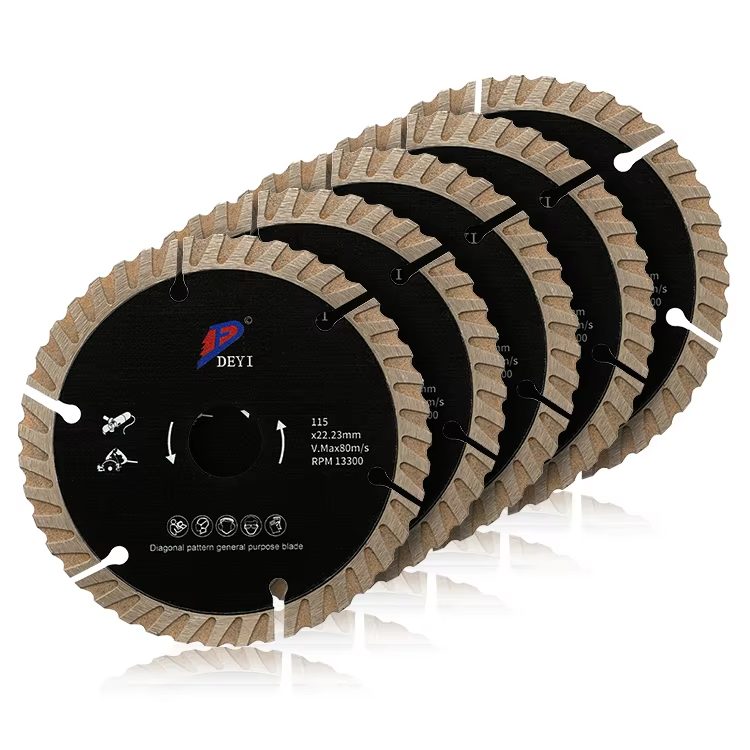
Engineering Dry Cutting Indoor Viability: Heat Management and Bond Technology
Resin bond formulations and segmented geometry for sustained dry operation
The special properties of resin bond materials make them ideal for dry cutting work inside buildings because they hold diamonds securely but still allow for proper wear when there's lots of friction involved. These are basically thermosetting polymers that start to get softer around 150 degrees Celsius (about 302 Fahrenheit). This gradual softening helps expose new diamond particles on the surface, stops the blade from getting glazed over, and cuts down on dust flying around the workspace. The segmented design of modern blades includes those clever little gaps between segments which actually handle the expansion issues that happen when cutting through hardened concrete. This design choice really matters in tight indoor areas where warped blades would be a big problem. All these advantages combined mean blades last roughly 40 percent longer compared to old style continuous rim blades used in similar indoor conditions where dust control is important, plus they keep removing material at a steady rate throughout their lifespan.
Blade design innovations enabling efficient heat dissipation in enclosed spaces
The latest blade designs now feature laser cut expansion slots along with copper infused core layers that actually pull heat away from the cutting edge itself. This helps drop operating temps anywhere between 60 to 80 degrees Celsius when compared to standard blades after long periods of dry cutting work. The steel core also contains radial ventilation channels which create passive airflow movement through convection, helping expel heat better while making the whole operation quieter too. These kinds of thermal control features become really important during renovations in confined spaces where there's just not enough room for proper air circulation. Without such built in cooling capabilities, workers would constantly be battling overheating issues that compromise both job site safety and overall efficiency rates.
Dust Control Essentials for Dry Cutting Indoor Viability
Integrated vacuum systems, HEPA filtration, and sub-10µm particle capture strategies
Good dust control makes all the difference for keeping dry cutting safe indoors. When vacuum systems work together with real HEPA filters, they grab around 99.97% of dust particles right where they form. This includes those tiny silica particles smaller than 10 microns that actually get deep into our lungs and cause serious problems over time. Many top blade makers have started redesigning their blades lately to help pull dust away better while cutting happens. The consequences of not having these features? Silica levels can go way beyond what OSHA allows within just a few minutes of cutting through tile or hardened concrete surfaces. That's why proper equipment matters so much for worker safety.
Compliance with OSHA/NIOSH silica exposure limits in renovation environments
When doing dry cutting work inside buildings, workers need to stay under OSHA's limit of 50 micrograms per cubic meter for breathable silica dust during their 8 hour shifts. Most experts actually recommend following NIOSH guidelines which set a much lower threshold at just 25 micrograms per cubic meter. For areas where people are present during renovations, there are several layers of protection required. First comes capturing dust right at the source using vacuums equipped with HEPA filters. Then comes ongoing checks of the air quality, plus extra airflow systems to help clear out any remaining particles. These silica safety issues keep showing up near the top of OSHA's most common citation list. The fines for getting this wrong have been climbing too, hitting over fifteen thousand dollars per violation according to recent data from 2024.
Material-Specific Dry Cutting Indoor Viability: Performance and Limitations
Thermal response and wear behavior on common indoor substrates (tile, cured concrete, brick)
The success of dry cutting indoors really hinges on getting the right blade composition for each specific material's thermal and abrasive characteristics. Tiles tend to crack at the microscopic level when temps hit around 150 degrees Celsius because they don't conduct heat well, which is why resin bonded blades with special heat dissipating segments become necessary. Concrete that has fully cured contains abrasive aggregates that can increase blade wear by about 20 to 30 percent, so most professionals go for blades with cobalt enriched bonds to keep those precious diamond grains intact. When it comes to brickwork, finding the sweet spot in blade hardness matters a lot. Blades that are too soft will wear down fast, but if they're too hard, they end up glazing over and stopping altogether. Getting good results means matching specifics: fine grit segments work best for tiles, wear resistant bonds handle concrete better, and medium hardness formulas are generally what works for brick. This attention to detail ensures cleaner cuts overall while keeping dust levels down enough to meet those indoor air quality requirements.
Operational Safety and Environmental Compatibility for Indoor Use
Electrical safety, vibration control, and ventilation requirements in occupied renovation zones
When it comes to safe indoor dry cutting operations, there are really three main things that need attention at once. First up is electrical safety. We're talking about GFCI outlets and double insulated equipment here. This becomes super important when working around areas where water might be present or where wires could get exposed somehow. Then there's the issue of vibrations. The industry standard says we need to stay under 2.5 meters per second squared according to ISO guidelines. Manufacturers address this with special blade designs that reduce resonance plus handle grips that absorb some of the shaking. And let's not forget about ventilation. The rules from OSHA regarding silica dust levels are pretty strict. They require HEPA filters that trap at least 99.97 percent of particles down to 0.3 microns in size. These combined precautions help avoid dangerous situations caused by dust buildup and keep the air breathable enough for workers while renovations are happening.
FAQ Section
What are the benefits of resin bond materials in dry cutting?
Resin bond materials securely hold diamonds while allowing proper wear. They soften at about 150°C, exposing new diamond surfaces, preventing glazing, and reducing dust.
How do modern blade designs aid heat dissipation?
Modern blades feature laser cut expansion slots and copper infused core layers for heat dissipation, and radial ventilation channels for passive airflow, reducing operating temperatures significantly.
How important is dust control during dry cutting indoors?
Dust control is crucial as it captures harmful silica particles, preventing them from exceeding OSHA's safety limits and ensuring worker safety.
What are the OSHA silica exposure limits for indoor cutting?
OSHA limits silica dust exposure to 50 µg/m³ over an 8-hour shift, with many recommending following the stricter NIOSH guideline of 25 µg/m³.