
 EN
EN
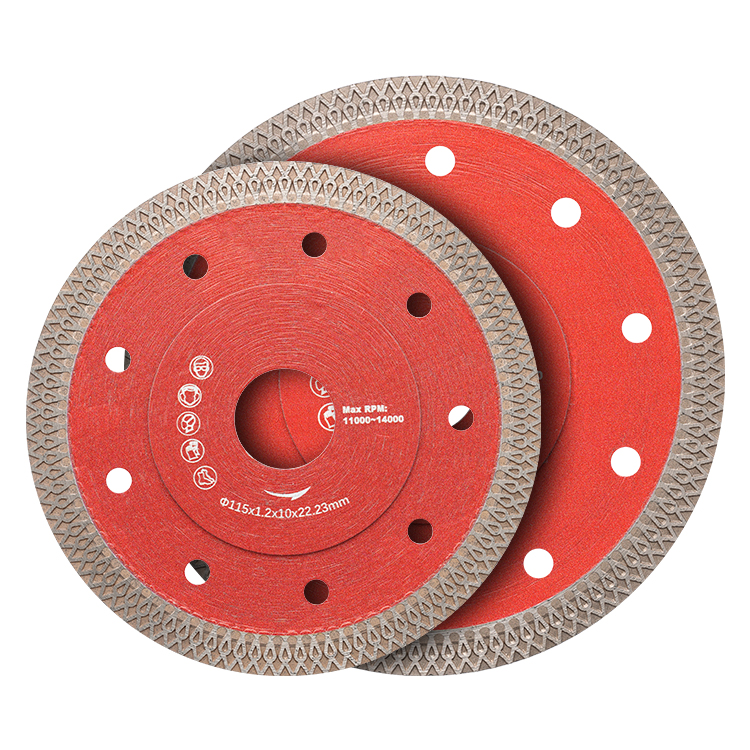
Understanding Aggressiveness in Diamond Cutting Discs for Asphalt
Defining aggressiveness in asphalt cutting applications
When we talk about aggressiveness in diamond discs, what we really mean is how well they cut through asphalt without falling apart. The main things that make this happen are diamond concentration levels between 15% and 25%, plus a coarse grit around 30/40 mesh size. These specs let the disc take off material fast enough to get the job done. Asphalt cutting discs differ from regular concrete blades because they have softer metal bonds. As these bonds wear down during use, new diamonds keep getting exposed, so the cutting stays strong throughout the process. Plus, there's less heat generated compared to other methods, which helps prevent damage to both equipment and surrounding surfaces.
How aggressiveness affects removal rate and blade life
When blades get more aggressive, they definitely slice through material faster, but at the cost of wearing out quicker. Take those 30/40 mesh diamond blades for instance they'll tear through about 2 to 3 inches of asphalt every second when everything's just right, but after an hour or so, operators often notice around 15 to 20% wear on the segments. Switching down to 50/60 grit makes these blades last roughly 40% longer in the field, although workers have to accept that their cutting pace slows down by about a quarter. The trick here is matching what the job actually needs. Some projects demand maximum speed no matter what, while others benefit more from having tools that stick around longer before needing replacement.
The balance between fast cutting and durability
Optimal efficiency comes from matching blade specs to asphalt type:
| Parameter | Aggressive Cutting Profile | Extended Life Profile |
|---|---|---|
| Diamond Concentration | 20-25% | 12-18% |
| Grit Size | 30/40 mesh (600-425 microns) | 50/60 mesh (300-250 microns) |
| Bond Hardness | Medium-soft (RC 20-25) | Medium-hard (RC 30-35) |
Field data shows that blades with 18–22% diamond concentration and 35/40 mesh grit achieve the best balance–meeting the 40%–60% ratio of lifespan to cutting efficiency needed for urban road maintenance.
Diamond Concentration and Grit Size: Core Factors Influencing Aggressiveness
Impact of High Diamond Concentration on Asphalt Cutting Speed
Diamond concentrations of 28–32% deliver peak performance in soft asphalt, increasing cutting speed by 18–22% compared to lower-concentration blades (15–20%). While higher concentrations expose more cutting points, values above 40% cause overcrowding, reducing effectiveness due to diamond interference. For most standard mixes, 30% represents the practical upper limit for maximizing speed without sacrificing stability.
Role of Larger Diamond Grit Sizes in Aggressive Material Removal
The coarser grit sizes between 20 and 40 mesh tend to strip away asphalt at a much faster pace since they break down both the aggregate and binder materials better. Some tests show these bigger grits can actually work up to around 40 percent faster compared to the smaller 50-80 mesh options. What makes them so good for demolition jobs is their ability to cut deeper with each pass through the material. But there's a catch worth mentioning here. These larger grit particles do produce significantly more heat when working through thick layers of asphalt, sometimes over twice as much as regular grits. That means operators need to watch out for overheating issues and make sure proper cooling measures are in place during operation. For those dealing specifically with reclaimed asphalt pavement (RAP), many professionals find that using 30/40 grit blades allows them to maintain decent feed speeds around 4 meters per minute while still getting those clean, accurate cuts needed for quality results.
Trade-Offs Between Fine and Coarse Grit in Pavement Cutting
| Grit Size | Cutting Speed (m/min) | Surface Finish | Blade Life (linear meters) |
|---|---|---|---|
| 20–40 (Coarse) | 5.1–6.3 | Rough | 2,800–3,500 |
| 50–80 (Medium) | 3.7–4.5 | Semi-Smooth | 4,200–5,100 |
| 100–120 (Fine) | 2.4–3.0 | Precision | 7,600–9,200 |
Contractors use coarse grit for rapid removal (15–18 m²/hour) and switch to 50/60 grit when accuracy within ±3 mm is required. New gradient designs place coarse grit at the edges for initial penetration and medium grit in the core, improving service life by 19% in mixed-density asphalt.
Bond Hardness and Segment Design for Optimal Asphalt Performance
Why soft bonds enhance aggressiveness on abrasive materials like asphalt
The softer metal bonds used in these tools, typically made from materials like cobalt or copper, tend to wear down gradually as cutting progresses. What happens then is pretty interesting actually - fresh, sharp diamond particles keep getting exposed as the bond wears away. This whole process stops something called glazing from happening, which occurs when dull diamonds get stuck inside really tough bonding material and basically stop working properly. When it comes to older asphalt surfaces specifically, tests from around 2025 showed that blades with these softer bonds can slice through about 20 to 25 percent quicker compared to their medium hardness counterparts. Of course there's a trade off here too. These softer blades just don't last as long because they wear out much faster, so maintenance crews need to replace them more often than they would with harder options.
Matching bond hardness to asphalt density and aggregate content
High density asphalt containing more than 30 percent granite aggregate works best with bonds rated around 25 to 30 HRB for good diamond retention. When dealing with softer mixtures that contain less than 25 percent crushed stone, going for bonds between 18 and 22 HRB tends to give better results overall. These settings strike a balance between being aggressive enough while still lasting approximately 10 hours straight. The latest segmented wheels come equipped with these alternating bond zones which means a single blade can tackle various pavement surfaces typically found throughout cities without needing constant adjustments during jobs.
Turbo segments vs. segmented rims for aggressive asphalt cutting
| Feature | Turbo Segments | Segmented Rims |
|---|---|---|
| Cutting Speed | 15-18 ft²/min | 10-12 ft²/min |
| Lifespan | 350-400 linear feet | 500-550 linear feet |
| Best Use Case | Green asphalt surfaces | Polymer-modified mixes |
Turbo segments offer smoother, vibration-free cutting in fresh asphalt, while segmented rims with 10–12mm spacing dissipate heat more effectively in recycled or tar-rich pavements.
Gullet size and segment spacing for efficient chip removal and cooling
Gullets sized 6–8mm deep and 10–12mm wide prevent clogging in sticky asphalt, avoiding recutting and temperature spikes above 350°F–the point where diamonds begin to graphitize. Forward-leaning segment angles improve natural debris ejection, ensuring consistent performance even in deep 4-inch cuts.
Cutting Conditions and Operational Influence on Blade Aggressiveness
How Feed Rate and Cutting Speed Affect Perceived Aggressiveness
The feed rate and RPM settings have a major impact on how cutting actually works in practice. When feed gets too high, it really takes a toll on those soft bond systems, and we've seen blade life drop around 30% when working through thick asphalt mixes. Most professionals find their sweet spot somewhere between 15 to 25 meters per second for peripheral speed. At these speeds, the diamonds bite into the aggregate properly without getting too hot, which matters quite a bit when dealing with those tricky polymer modified pavements that everyone seems to be using these days. For crews handling quick fix jobs, many will crank up the feed rate a bit and go with turbo segment blades instead. This helps them keep moving without sacrificing too much tool life, even though they know the blades won't last as long under these conditions.
Optimal Depth of Cut to Prevent Segment Loading and Heat Buildup
Going over 50 mm in single pass depth really raises the chances of glazing problems and heat damage, especially when working with those bigger aggregate sizes around 8 to 10 mm. Field tests across multiple sites have shown that sticking to cuts between 25 and 35 mm gives the best results while keeping operating temps under 150 degrees Celsius. When dealing with recycled asphalt materials that contain softer binders, operators who switch between shallow and medium depth passes actually see their blades last about 40 percent longer than those who stick to deep cuts all the time. And don't forget about proper gullet spacing either it should be roughly 20 to 25 percent of the segment height to make sure chips get cleared out efficiently during operation.
Operator Techniques That Maximize Asphalt Removal Efficiency
Operators with experience know how to tweak blade angles and use cooling techniques strategically to get better results from their equipment. When they angle the cutting disc between three and five degrees away from straight up, it actually improves how well the blade engages with the material. This simple adjustment can boost removal speeds by around 15 percent while still maintaining good surface quality when working on hot mix asphalt surfaces. What many call "pulse cutting" involves making strong cuts followed by short breaks, which helps control temperature buildup and keeps the segments on the blade intact over longer periods of work. A recent study published by ICAR in 2024 found that crews trained properly in these techniques saw nearly a quarter fewer blade replacements compared to those using standard approaches. That kind of savings adds up fast across multiple projects throughout the season.
This operational triad–controlled speed and depth, thermal management, and adaptive techniques–enables contractors to maintain aggressive cutting while preserving blade economics.
Material-Specific Considerations: Why Asphalt Requires Unique Blade Designs
Key Differences in Diamond Blade Composition for Asphalt Versus Concrete
The fact that asphalt has a much lower hardness rating between 2.5 and 3.5 on the Mohs scale compared to concrete which ranges from 4 to 7 means we need different cutting tools for each material. For asphalt work, softer bonding agents and bigger diamonds around 40/50 mesh size are necessary instead of the finer 80/100 mesh used for concrete jobs. This setup helps maintain proper diamond exposure during cutting operations, which keeps those expensive tools from getting glazed over or overheated when working through tough asphalt mixtures. According to research published by CMPStone last year, blades designed specifically for asphalt can actually wear down anywhere from 30 to 40 percent quicker when mistakenly used on concrete surfaces because their bond hardness just doesn't match up. That really highlights why having equipment tailored to specific materials makes such a big difference in both performance and cost effectiveness for contractors.
Industry Insight: Using Softer Bond Systems to Efficiently Cut Soft Asphalt
More manufacturers are turning to low cobalt bronze bonds in the HRB 75 to 85 range because they work well against asphalt's rough surface. The diamonds embedded in these bonds come out at just the right pace, which means cuts happen about 15 to 20 percent quicker compared to regular concrete blades. But there's a catch when going beyond 50 millimeters deep. The segments tend to glaze over due to all the heat building up during cutting. This issue was highlighted back in OSHA's 2023 guidelines on dry cutting practices. So even though these bonds are optimized for performance, keeping track of how deep the cut goes remains important for anyone working with them.
Future Trends in High-Removal-Rate Blades for Urban Pavement Maintenance
The latest blade designs now feature laser cladding segments along with those deeper gullet spaces (around 0.3 inches apart) which really helps fight off bitumen sticking problems. Some initial testing has found these new blades cut down on clogging issues by roughly two thirds, and they still manage to keep removal speeds well over 18 square inches per minute. That kind of performance matters a lot for municipalities dealing with old roads and infrastructure. We've also seen hybrid materials combining resin and metal making these cutting tools last about a quarter longer when working on recycled asphalt surfaces. Plus, they don't slow things down at all compared to traditional options. This points to what seems like an industry trend moving towards better quality equipment that lasts longer but doesn't compromise on how fast it gets the job done during city street maintenance projects.
FAQ Section
What is the main difference between diamond cutting discs for asphalt and concrete?
Diamond cutting discs for asphalt typically have softer metal bonds and larger grit sizes compared to those for concrete, which require harder bonds and finer grits.
How does diamond concentration affect cutting speed?
Higher diamond concentrations in cutting discs increase cutting speed by providing more cutting points, but there is a limit to effectiveness due to potential overcrowding.
Why is bond hardness important for asphalt cutting discs?
Bond hardness is crucial for diamond retention and cutting efficiency. Softer bonds enhance aggressiveness, but wear out faster, while harder bonds last longer but may reduce cutting speed.
How can operators maximize asphalt removal efficiency?
Operators can maximize removal efficiency by adjusting blade angles, using cooling techniques, and employing techniques like pulse cutting to control temperature buildup.
Table of Contents
- Understanding Aggressiveness in Diamond Cutting Discs for Asphalt
- Diamond Concentration and Grit Size: Core Factors Influencing Aggressiveness
- Bond Hardness and Segment Design for Optimal Asphalt Performance
- Cutting Conditions and Operational Influence on Blade Aggressiveness
- Material-Specific Considerations: Why Asphalt Requires Unique Blade Designs
- FAQ Section