
 EN
EN
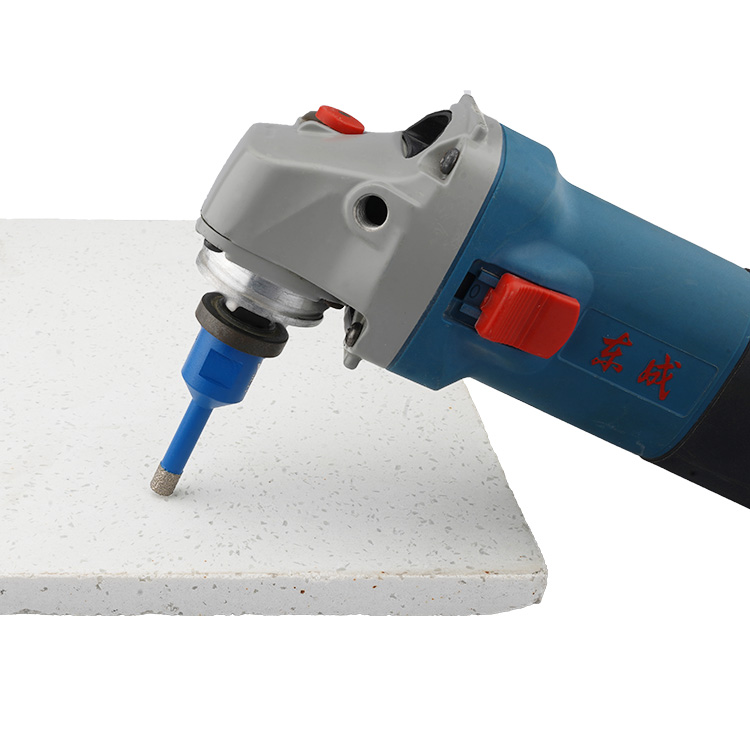
The Reinforced Concrete Challenge: Why Standard Bits Fail
Drilling through reinforced concrete is no small task for regular drill bits which just can't keep up with what's needed. What makes RC so tricky? Well, it's basically a mix of brittle cement and aggregate combined with flexible steel bars inside. These materials create totally different requirements for cutting tools. Standard bits tend to fail spectacularly when they hit those steel rebars. We've seen all sorts of problems happen from losing segments to motors getting stuck or even barrels bending out of shape because of how hard they hit the steel. The real headache comes from switching back and forth between grinding tough steel and breaking apart concrete. Steel needs impact strength while concrete requires resistance against wearing down. Heat becomes another problem too. When bits engage with steel rebars, friction jumps way up and wears things down much faster than normal. Workers on site notice something interesting about the metal shavings produced - they curl up instead of breaking cleanly, showing that the cutting process isn't working right. According to recent industry data from 2024, dealing with these mixed materials adds almost half an hour to drilling time and triples the cost of consumables in typical 40 MPa RC structures. That kind of inefficiency means we need better tools specifically designed to handle both the abrasive nature of concrete and the strength demands of steel at the same time.
How Carbide-Tipped Diamond Bits Solve Dual-Material Drilling
Synergy of Diamond Abrasion Resistance and Carbide Impact Toughness
Carbide-tipped diamond bits overcome reinforced concrete drilling challenges through purpose-built dual-material engineering. Diamond grit delivers exceptional abrasion resistance against the concrete matrix, while strategically placed tungsten carbide provides the impact toughness required for reliable rebar cutting. This hybrid design creates a functional synergy:
- Diamond particles retain sharp edges during prolonged concrete abrasion
- Carbide reinforcements absorb shock loads when encountering steel reinforcement
- Integrated heat dissipation pathways prevent premature matrix degradation
Field tests show this combination extends tool life by 40% versus standard bits in 40 MPa concrete with dense rebar grids.
Segment Architecture: Optimized Carbide Placement for Rebar Engagement
Optimal carbide placement within the segment matrix directly enhances dual-material performance. Advanced hybrid tools feature:
| Segment Zone | Material Composition | Primary Function |
|---|---|---|
| Cutting edge | Diamond-dense matrix | Concrete abrasion |
| Impact points | Carbide clusters | Rebar fracture |
| Core channels | Steel body with heat vents | Debris removal & cooling |
This architecture concentrates carbide precisely where impact forces peak during rebar engagement—while the diamond matrix sustains consistent cutting speed through concrete phases. Structural drilling efficiency improves by 30% in mixed-material zones, per ASTM C1580 testing protocols.
Performance Advantages of Carbide-Tipped Diamond Bits in Real-World RC
Carbide-tipped diamond bits deliver measurable performance benefits when drilling in reinforced concrete (RC) structures. Their hybrid tool design uniquely addresses the dual-material challenge of simultaneously cutting concrete and rebar.
Heat Management and Sustained Drilling Speed in Mixed Material Zones
When diamond abrasion resistance works together with carbide impact toughness, it helps manage heat better when moving through concrete and steel reinforcement bars. Diamond segments can handle really high friction temps over 1200 degrees Fahrenheit, whereas carbide tips take care of sudden temperature changes at those steel bar connections which stops segments from falling off too soon and keeps drilling going strong. Contractors report around 30 percent less slowdowns than regular drill bits experience, so there's less downtime caused by equipment getting too hot on job sites.
Wear Life Extension: Field Data from 40 MPa RC with 16 mm Rebar (ASTM C1580)
When tested according to ASTM C1580 standards against 40 MPa reinforced concrete using 16 mm rebars, we saw notable improvements in how long these tools last before wearing out. What makes this work so well is that the carbide shield around the edges protects those precious diamond segments when they hit the rebar. This protection cuts down on matrix erosion by about half compared to regular diamond bits on the market today. As a result, the average lifespan of these cutting tools gets extended roughly 2.5 times longer for structural drilling jobs. And let's talk numbers for a moment – this means contractors can expect around 18 percent savings each year just from needing fewer replacements and spending less time waiting for new bits to arrive on site.
FAQ
Why do standard drill bits fail in reinforced concrete?
Standard drill bits fail in reinforced concrete due to the material's unique combination of brittle cement and aggregate with flexible steel bars, which creates different requirements for cutting tools.
How do carbide-tipped diamond bits help in dual-material drilling?
Carbide-tipped diamond bits use a hybrid design of diamond grit and tungsten carbide to handle the concrete's abrasiveness and the steel's impact toughness efficiently.
What are the performance benefits of carbide-tipped diamond bits?
These bits improve heat management and wear life, resulting in faster drilling, extended tool lifespan, and cost savings in reinforced concrete applications.