
 EN
EN
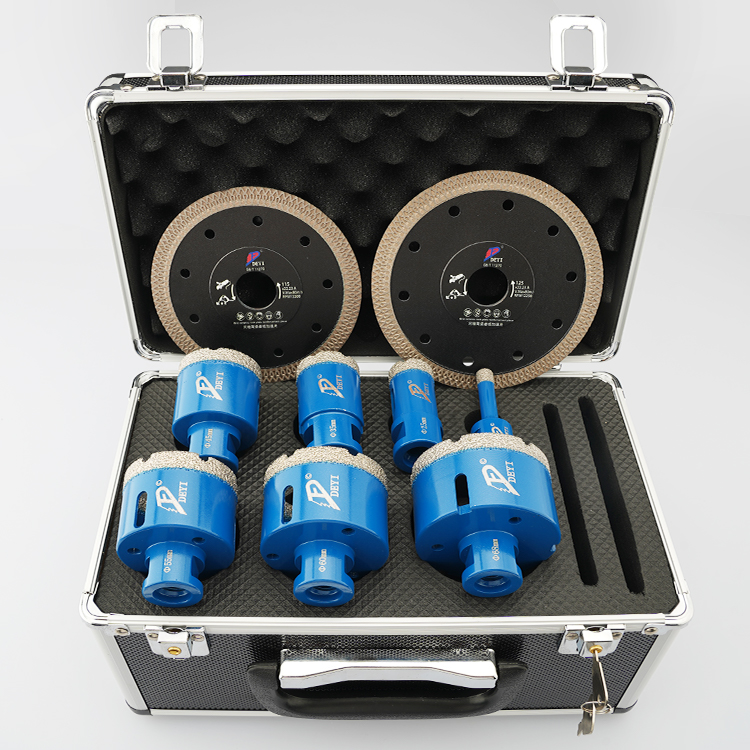
Core Metrics in Field Performance Testing: Measuring Speed, Cut Quality, and Efficiency
Penetration Rate and Drilling Time as Key Indicators of Operational Speed
When it comes to measuring how fast operations run in the field, penetration rate measured in inches per minute (IPM) along with total drilling time remain key indicators. Boosting IPM cuts down on project duration and saves money on labor. Field data shows that bits hitting around 2.5 IPM or better in granite finish jobs roughly 30 percent quicker compared to what's normally seen across the industry. For accurate results when testing bits, technicians keep RPM levels steady, maintain constant feed pressure, and work with materials that have similar compositions. Looking at different diamond core bit models side by side reveals something interesting. Bits with segmented designs featuring improved water channels tend to boost hydraulic efficiency and increase cutting speed much better than older style designs still in use today.
Core Integrity and Segment Wear: Assessing Cut Quality and Bit Longevity
On site evaluations check how good the cuts are and how long they last by looking at core integrity and measuring segment wear. When we see smooth core cylinders without damage, that usually means the equipment was properly aligned and vibrations were kept under control something really important when drilling through different rock layers. For segment wear, workers measure with micrometers after about 50 feet of cutting work. Bits that lose less than 0.15 mm height while working through tough reinforced concrete show much better bonding between the diamonds and the steel body. This kind of performance keeps diamonds attached longer and can actually double the useful life compared to regular bits, as shown in recent tests from the Construction Materials Testing Association back in 2023.
Identifying Bit Inefficiency: Overheating, Poor Dust Control, and Core Distortion
When we run operational stress tests, there are basically three things we look for that show something's going wrong: when equipment gets too hot, when it kicks out more dust than normal, and when the core starts looking deformed instead of round. If an infrared thermometer picks up temps over 350 degrees Fahrenheit at the interface, that usually means coolant isn't flowing properly through the system. And poor coolant flow is actually one of the main reasons segments break down faster than they should. Contractors also notice way too much dust coming off during concrete work, which tells them the water channels probably aren't designed right for the job conditions. Then there are those weird shaped cores that come out looking oval or cracked rather than clean circles these indicate either the bit is wobbling around or not aligned correctly with what it's cutting into. Most problems with distortion can be fixed by simply adjusting how hard the machine pushes against the material and making sure at least half a gallon of coolant flows through every minute. Field reports from actual contractors put this solution rate around 89%, according to recent findings published in the Drilling Efficiency Journal last year.
Standardized On-Site Testing Methodologies for Reliable Performance Comparison
Side-by-Side Drilling Tests Across Concrete, Granite, and Asphalt
To get reliable performance comparisons, we need to drill side by side on standard materials like concrete, granite, and asphalt while keeping everything else the same. Granite wears down segments about 30 percent quicker than concrete does because of its crystal structure. This shows why thermal stability matters so much when designing those cutting segments. The standard testing rules require slabs that are all 12 inches thick, with similar sized aggregates throughout. Operators must follow specific techniques too, and temperatures need to be recorded during tests. All these controls take away environmental factors that might skew results. With them in place, it becomes possible to properly evaluate how well a particular bit adapts to different materials and maintains its cutting speed over time.
Timed Cuts with Controlled Parameters: RPM, Feed Pressure, and Coolant Flow
Quantifying efficiency demands strict control of three key parameters during timed cuts: RPM, feed pressure, and coolant flow. Each significantly influences both speed and durability:
| Parameter | Performance Impact | Optimal Range |
|---|---|---|
| RPM | Higher speeds reduce time but increase heat | 800–1,200 (granite) |
| Feed Pressure | Excess pressure causes core distortion | 50–70 lbs (concrete) |
| Coolant Flow | Insufficient flow accelerates bond degradation | 2 gal/min (asphalt) |
Controlled field testing confirms that improper coolant flow reduces bit lifespan by 45%, underscoring its critical role in standardized validation across job sites.
Material-Specific Performance: Evaluating Adaptability and Wear in Real-World Conditions
Granite vs. Reinforced Concrete: Contrasting Heat Resistance and Wear Patterns
Testing out in the field shows there are big differences between working with granite versus reinforced concrete when it comes to picking the right drill bits. Granite has all that quartz in it which creates intense heat spots sometimes going over 220 degrees Celsius. That means keeping things cool becomes the main concern for getting good results. With reinforced concrete, we don't see such high temperatures usually below 150C but other problems pop up instead. There's steel bars inside that cause cracks from impacts, rough particles wear down the drill faster, and different hardness areas lead to uneven wear across the bit. So granite drilling really hinges on how well a bit can handle and dissipate heat, whereas concrete work needs bits that can stand up to impacts and have materials that adapt as conditions change. These practical differences matter a lot when choosing bits because matching the right technology to what's actually wearing down the tool makes all the difference in job site performance.
Durability Assessment Under Operational Stress: Tracking Lifespan Beyond the Lab
Cumulative Wear Measurement via Segment Height Loss and Bond Degradation
Durability really shows itself only after equipment has been put through actual field conditions, not just what happens in controlled lab settings. When checking how well something holds up over time, there are basically two things to look at: how much the segments wear down in height and whether the bonds between parts start showing signs of breakdown. On rough concrete surfaces, we usually see around 0.1 to 0.3 millimeters of material lost every 100 feet traveled. Techs will also check for signs that the bonding agent is getting tired, like tiny cracks forming or diamonds sticking out too far past their normal position. If they stick out more than about a third of what they should be, that's a red flag. Most folks replace bits when the segments have worn down to less than half their original size or if lots of those bonds are failing all at once. All these measurements taken right on site give us real world data points that help predict how long tools will last before needing replacement and let us plan when to rotate bits for maximum efficiency.
FAQ Section
What is the significance of measuring penetration rate and drilling time?
Penetration rate measured in inches per minute (IPM) along with total drilling time are key indicators of operational speed. They help in reducing project duration and save costs on labor.
How is core integrity related to bit longevity?
Core integrity assessments help in evaluating cut quality and bit longevity by checking for equipment alignment and vibration control. Bits showing less segment wear prove better diamond bonding with the steel body, increasing bit lifespan.
What issues indicate bit inefficiency?
Indicators of bit inefficiency include overheating, dusty environments, and core distortion. These can be caused by poor coolant flow, inadequate design of water channels, or misalignment of the bit.
Why is standardized testing across different materials important?
Standardized testing allows for reliable performance comparisons by removing environmental factors. It ensures that field tests reflect true adaptability and maintains cutting speed across different materials like granite, concrete, and asphalt.
How is durability assessed in real-world conditions?
Durability is assessed by measuring segment height loss and bond degradation over time. Real-world conditions provide data points for predicting tool lifespan and optimizing bit rotation schedules for efficiency.
Table of Contents
- Core Metrics in Field Performance Testing: Measuring Speed, Cut Quality, and Efficiency
- Standardized On-Site Testing Methodologies for Reliable Performance Comparison
- Material-Specific Performance: Evaluating Adaptability and Wear in Real-World Conditions
- Durability Assessment Under Operational Stress: Tracking Lifespan Beyond the Lab
- FAQ Section