
 EN
EN
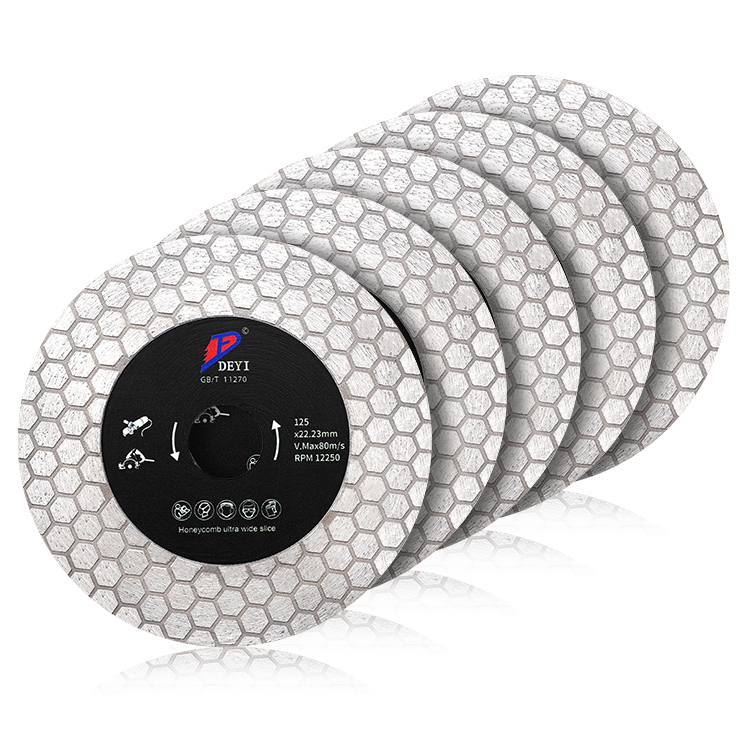
Closed-Loop Material Recovery: Core Circular Economy Model
Mechanical and hydrometallurgical separation of diamond grit, metal bond, and backing substrates
In closed loop systems, valuable stuff gets recovered from old polishing pads via a two step process that works pretty well. First comes mechanical shredding which separates out those tiny diamonds from whatever they're stuck to. Then there's this other method called hydrometallurgy where specific chemicals are used to break down the metal parts holding everything together. What makes this whole system work so good is that it keeps different materials from mixing up with each other during processing. The result? Much better recovery rates compared to older techniques - we're talking anywhere between 40% to 60% improvement actually. And what was once considered waste ends up being turned into genuine materials for industry use again.
Recovery yields and purity benchmarks: 92–96% diamond retention and >85% cobalt/nickel reclaim rates
According to the 2023 EU CIRCULAR-ABRASIVES research, when we optimize closed loop recovery systems, they can retain between 92 to almost 96 percent of diamond grit while recovering over 85% of cobalt and nickel alloys. What's really impressive is that these recovered materials actually reach the same quality standards as brand new ones, so they work great for making fresh abrasive pads right away. The environmental impact is pretty substantial too. For every 10,000 pads that get recycled this way, we save about 1.2 metric tons from going into primary mining operations. Plus, factories cut down their carbon footprint significantly, around 34% less emissions overall compared to traditional methods.
Take-Back Programs: Enabling Systemic Circularity
Tiered logistics frameworks: OEM-led reverse logistics vs. third-party certified collection hubs
The success of circular practices for diamond polishing pads really comes down to effective take-back programs, which work best when the logistics are well designed. When original equipment manufacturers handle the process themselves, they can maintain better quality control through their own branded collection stations and special transport methods. This helps keep the materials intact so they can be properly assessed for reuse later on. On the other hand, third party collection centers gather pads from different brands at local facilities throughout regions. These setups actually improve transportation efficiency and cut down on carbon emissions per item collected. Both approaches have their challenges though. The OEM method needs a lot of upfront investment in infrastructure, whereas third party hubs must carefully separate different materials to prevent any mixing that could ruin everything. For these systems to work well, companies need standard containers for collecting items, shipments tracked using blockchain technology, and agreed upon processing standards across regions. With these elements in place, most operations see around 94% recovery rate for diamond grit and over 85% of metal bonds coming back into circulation.
R&D-Driven Requalification: Extending Product Life Within Circular Economy Models
Laser-assisted bond restructuring and grit re-embedding protocols validated under ISO 13242:2022
The technique of laser-assisted bond restructuring has changed how we approach pad requalification. This method targets those worn out metal areas while keeping the diamond grit intact, something that was really challenging before. The thermal process actually keeps all the grit in place when they're put back into the matrix. It's been tested according to the ISO 13242:2022 standards and works great structurally. What makes this approach stand out is that it doesn't need any chemical solvents at all. Plus, the placement accuracy stays within about 5 microns, which is pretty impressive. And manufacturers are seeing energy savings around 62% compared to older methods of refurbishing these pads.
Performance parity testing: refurbished pads achieving ≥94% of virgin pad material removal rate (MRR) in granite and engineered stone trials
Independent trials confirm that requalified pads deliver near-virgin performance across demanding applications. In continuous granite processing, refurbished pads achieved 39.5 cm²/min MRR–94% of the virgin benchmark (42 cm²/min). In engineered stone, they reached 36.2 cm²/min, or 95.3% parity against the virgin rate of 38 cm²/min:
| Material | Virgin Pad MRR | Requalified Pad MRR | Parity Rate |
|---|---|---|---|
| Granite | 42 cm²/min | 39.5 cm²/min | 94% |
| Engineered Stone | 38 cm²/min | 36.2 cm²/min | 95.3% |
This operational equivalence demonstrates how R&D-driven requalification closes material loops without compromising productivity–aligning technical performance with circular economy principles.
Design for Recycling (DfR): Foundational Enabler of Circular Economy Models
The concept of Design for Recycling (DfR) puts circular thinking right at the start of product development, turning what would otherwise be complicated waste materials into something we can reliably reuse again and again. Smart design decisions like using single material bases, creating separate composite parts, reducing sticky adhesives, standardizing how things snap together, and staying away from certain hard-to-break-down plastics all help make recycling much more effective through both mechanical methods and chemical extraction processes. The consequences of skipping proper DfR practices are pretty serious too. Studies show that without these considerations, contamination problems pop up and valuable materials get lost during processing at rates over 20 percent, which basically makes any attempt at a closed loop system impractical according to recent research by the EU Circular Abrasives group in 2023. When manufacturers actually implement DfR properly, they're looking at recovering around 92 percent of diamonds and getting back about 85 percent of precious metals like cobalt and nickel. Regulations are also pushing this forward fast, especially with new rules coming out under the EU's Ecodesign for Sustainable Products Regulation (ESPR). These laws require products to be easier to take apart and specify minimum standards for material quality. What this means for everyday operations is simple: when companies build recycling into their initial designs instead of tacking it on later, polishing pads stop being just one-time-use items and become real assets that keep generating value long after their first deployment.
FAQ Section
What is closed-loop material recovery?
Closed-loop material recovery refers to the process of reclaiming valuable materials from used products, such as polishing pads, to turn them back into functional industrial materials, thus reducing waste and enhancing sustainability.
How effective are take-back programs in circular economy models?
Take-back programs are essential for effective circular economy models. They involve either OEM-led reverse logistics or third-party certified collection hubs that efficiently recapture materials for reuse.
What are the benefits of R&D-driven requalification in circular economy models?
R&D-driven requalification helps to extend the life of products in circular economy models by employing innovative techniques like laser-assisted bond restructuring to refurbish worn-out materials without compromising their performance.
Why is Design for Recycling important?
Design for Recycling (DfR) is crucial because it integrates circular economy principles at the product development stage, ensuring products can be easily recycled and reused, thereby reducing waste and contamination.