
 EN
EN
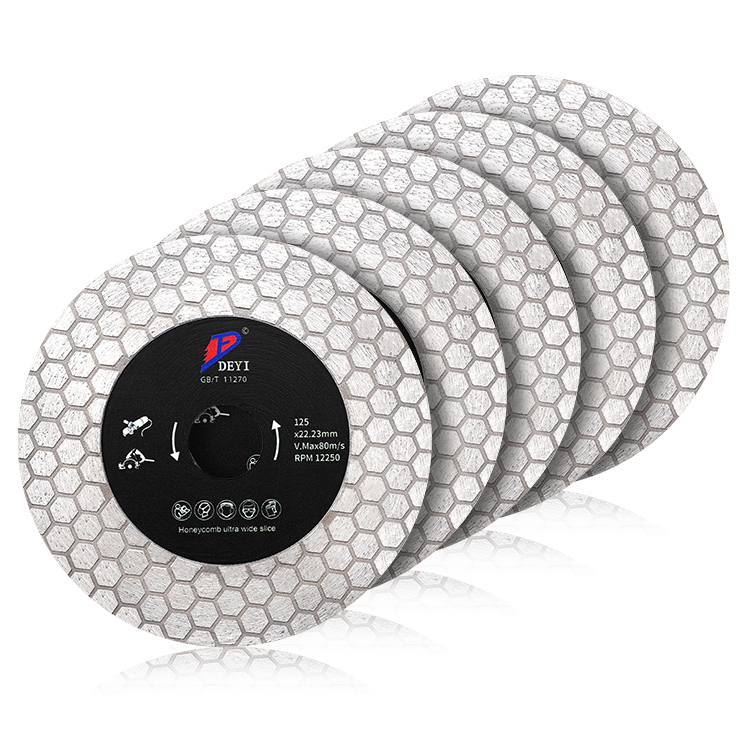
Understanding the Climate Regulation Impact on Emissions in Diamond Tool Manufacturing
Greenhouse gas emissions from diamond extraction and tool production
The diamond tool manufacturing sector is grappling with major emissions problems. Traditional ways of extracting diamonds and producing them generate a lot of greenhouse gases throughout the process. Take conventional diamond mining for instance it typically produces about 1.5 tons of CO2 equivalent per carat. This comes mainly from disturbing large areas of land, running all those diesel machines, plus the chemicals needed for processing. Things get even worse during manufacturing. Processes such as high pressure high temperature synthesis and sintering demand constant furnace operation at blistering temperatures. According to reports from top manufacturers, roughly between sixty and seventy percent of their total carbon footprint actually stems from these heat intensive operations. As global climate regulations continue tightening, there's growing pressure across the industry to find cleaner alternatives fast before things spiral out of control environmentally speaking.
Energy consumption and carbon footprint under climate regulation impact
The climate regulations hitting the industry head on focus heavily on cutting down energy consumption across the board. We're talking about significant reductions needed for both power usage and those pesky emissions too. Let's put this into perspective: making traditional diamond tools eats up roughly 250 to 300 kilowatt hours for every single kilogram produced. Most of that comes straight from old fashioned fossil fuel powered grids still prevalent in many regions. With new carbon pricing schemes popping up everywhere, this kind of energy profile just isn't going to work financially anymore. Experts predict compliance costs alone could jack up production expenses anywhere between 18% to 25% by the time we hit 2030. Smart companies are already getting ahead of this curve though. Some have started signing up for green energy deals while others install heat recovery systems to capture wasted thermal energy. There's also been progress in tweaking manufacturing processes themselves. Take one recent breakthrough where lowering sintering temps by about 50 degrees Celsius using special binders managed to slash energy requirements by around 12%, all while keeping the same level of hardness and lasting power in the final products.
Carbon monitoring and compliance in regulated manufacturing environments
The rules around carbon emissions are getting stricter every day, so manufacturers need to track their carbon footprint in real time throughout the whole diamond tool production process. We're talking everything from when they start working with raw materials all the way through to quality checks on finished products. Smart factories are putting together these fancy tracking systems with IoT sensors that monitor energy usage, software that tracks how materials move through the factory floor, and platforms that automatically report emissions data. Some companies that jumped on board early with predictive analytics tools saw their compliance expenses drop somewhere around 25-30%, though getting those savings takes time and investment. The biggest headache remains dealing with different regulations worldwide. Countries set their own standards for what counts as acceptable emissions levels and how companies should verify their reports. This patchwork approach makes operations tricky for multinational businesses. That's why top players in the industry are setting up dedicated carbon accounting departments. These teams handle the messiness of varying regulations while also getting ready for what many expect will be new requirements soon about Scope 3 emissions that include everything happening along the supply chain before and after actual production.
Key Environmental Compliance Challenges for Diamond Tool Manufacturers
Navigating global regulatory frameworks and emissions reporting obligations
The diamond tool manufacturing sector is grappling with mounting demands to meet a confusing array of global climate rules. From the EU's Emissions Trading System to U.S. EPA mandates plus various carbon pricing schemes popping up throughout Asia, companies need to keep tabs on all their Scope 1 through 3 emissions at once. And that's just the start since they also have to juggle different reporting standards like GHG Protocol versus ISO 14064. The Ponemon Institute reported last year that failing to follow these regulations could cost firms over half a million dollars each year in fines. All this red tape means most manufacturers now have dedicated carbon accountants on staff, invest in constant emissions tracking systems, and spend countless hours sorting out paperwork differences between regions. As a result, around 18% of what would normally go toward product development gets eaten up by compliance work instead.
Meeting energy efficiency mandates and reducing operational disruptions
Climate regulations impose strict energy consumption limits on high-heat processes essential to diamond synthesis and tool bondingâmandating 30â40% energy reductions within five years, which conflicts with legacy manufacturing methods. For example:
| Process | Energy Use (Traditional) | Regulatory Target | Compliance Challenge |
|---|---|---|---|
| HPHT Synthesis | 75â100 kWh/carat | â 55 kWh/carat | Crystal growth stability |
| Laser Cutting | 50 kW continuous | â 35 kW | Cutting precision maintenance |
| Sintering | 1200°C+ operations | 950°C benchmarks | Tool durability preservation |
Retrofitting equipment to meet these targets often causes production bottlenecks: 42% of manufacturers report output drops during upgrades. Successful firms mitigate disruption through phased technology adoption and strategic buffer inventory planning.
Innovation in Low-Emission Technologies and Sustainable Processes
Transitioning from EDM and chemical etching to laser-based, low-emission processing
Diamond tool manufacturers are moving away from traditional techniques like Electrical Discharge Machining (EDM) and chemical etching at an impressive pace, thanks to the rise of ultrafast laser processing systems. The new technology cuts down on direct emissions anywhere between 30 to 50 percent, gets rid of those pesky hazardous chemicals entirely, and delivers amazing precision down to the micron level without causing much thermal distortion. When we look at how these systems stack up against older approaches, production times drop around 40% and energy consumption goes down about 35%. Plus there's something else worth mentioning: tools last longer because of this controlled way of removing material. All these improvements mean better technical results while also meeting stricter environmental regulations that keep getting tighter every year.
Advancing energy-efficient and low-impact diamond mining technologies
The diamond tool industry is turning greener at its core, starting with how diamonds are extracted from the earth. New technologies like water-driven drilling equipment and smart sensors that sort valuable minerals from waste rock have cut down on energy needs in mines by almost 30% according to recent research published in Sustainable Resources Journal back in 2023. Many operations now rely heavily on solar power combined with traditional grids, cutting their reliance on external electricity sources by around two thirds. At the same time, computer algorithms help plan digging paths that save fuel costs by roughly a fifth. When paired with methods that separate diamonds using static electricity instead of water intensive processes, these improvements mean companies can build environmentally responsible supply chains while still maintaining product quality standards that customers expect.
The Rise of Lab-Grown Diamonds and Green Supply Chain Integration
Lab-grown diamonds as a climate-resilient alternative under regulatory pressure
The diamond industry is seeing lab-grown stones gain ground as companies seek alternatives that can withstand stricter regulations around environmental impact. These synthetic diamonds need about 85 percent less energy to produce per carat compared to their mined counterparts. When it comes to carbon emissions, the difference is even starker: lab creations clock in at under 20 kg CO2e per carat while traditional mining produces over 160 kg CO2e. With carbon taxes spreading across more countries, this gap in emissions isn't just good for the planet but also gives companies a leg up on compliance requirements. Tool manufacturers especially benefit since most of their carbon footprint traditionally comes from the upstream extraction process. Plus, these man-made gems maintain consistent quality throughout production runs. Their supply chains are also much shorter and easier to manage, which means fewer headaches when dealing with political issues around resource control or getting permits approved for mining operations.
Building ESG-aligned green supply chains in diamond tool manufacturing
Top manufacturers are completely overhauling their operations when it comes to ESG transparency these days. They're turning to things like blockchain for tracking materials and bringing in renewable energy sources just to keep up with what investors want and what regulators require. Some of the main approaches involve working directly with verified green energy companies to run those high pressure high temperature synthesis processes. There's also this whole system where they recycle diamond grit in a closed loop, which cuts down on waste significantly. Plus most plants now follow ISO 50001 standards for managing energy consumption. All these steps do two important things at once: they make sure the carbon reports actually mean something, and studies show products end up with about 30 to 40 percent less carbon impact over their whole life compared to regular diamond tools. What started as something companies had to do because of regulations is now becoming a real selling point thanks to better resource management and stronger supply chains that can handle disruptions much better.
FAQs on Climate Regulation Impact on Diamond Tool Manufacturing
What are the main challenges diamond tool manufacturers face with climate regulations?
Manufacturers are challenged by global regulatory frameworks, which require them to track and report various scope emissions and meet energy efficiency mandates that significantly impact traditional manufacturing processes.
How does energy consumption affect production costs in diamond tool manufacturing?
High energy consumption, particularly from fossil fuel sources, increases production costs due to carbon pricing schemes. Regulatory compliance further impacts profitability as companies switch to greener solutions to mitigate these expenses.
What innovations are helping manufacturers reduce emissions?
Innovations such as ultrafast laser processing systems and water-driven drilling equipment help cut emissions by reducing energy and direct emission sources while increasing production efficiency and product durability.
Why are lab-grown diamonds considered a sustainable alternative?
Lab-grown diamonds require significantly less energy and emit fewer carbon emissions compared to mined diamonds. They offer a climate-resilient and cost-effective alternative that complies with stricter regulatory standards.
How are manufacturers integrating sustainable practices in their supply chains?
Manufacturers are adopting practices like blockchain for transparency, renewable energy sourcing, and recycling systems to align with ESG standards, which reduce carbon impact while ensuring that supply chains are efficient and environmentally responsible.
Table of Contents
- Understanding the Climate Regulation Impact on Emissions in Diamond Tool Manufacturing
- Key Environmental Compliance Challenges for Diamond Tool Manufacturers
- Innovation in Low-Emission Technologies and Sustainable Processes
- The Rise of Lab-Grown Diamonds and Green Supply Chain Integration
-
FAQs on Climate Regulation Impact on Diamond Tool Manufacturing
- What are the main challenges diamond tool manufacturers face with climate regulations?
- How does energy consumption affect production costs in diamond tool manufacturing?
- What innovations are helping manufacturers reduce emissions?
- Why are lab-grown diamonds considered a sustainable alternative?
- How are manufacturers integrating sustainable practices in their supply chains?