
 EN
EN
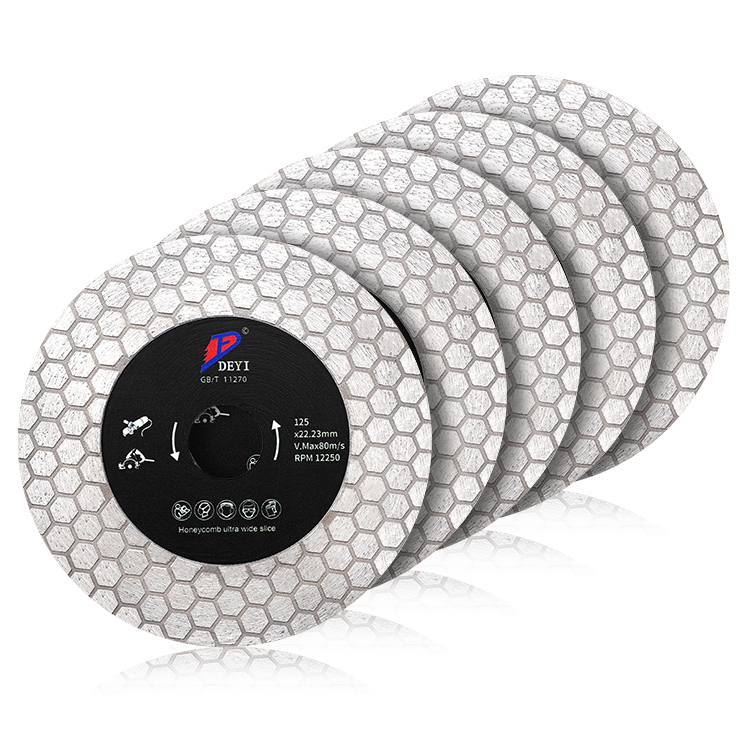
Ensuring Process Repeatability with Automation in Pad Manufacturing
Closed-Loop Feedback Systems for Uniform Layer Thickness
Automated systems use sensors to keep track of how diamonds are spread out when making pads. These systems have laser micrometers that check layer thickness pretty accurately around plus or minus 5 microns. When something needs adjusting, the machine changes how much material comes in right away. This kind of control keeps the abrasive material packed consistently throughout each batch, so the polishing results stay reliable from one set of pads to another. According to what manufacturers report, such automated setups cut down on thickness differences by about three quarters compared to old fashioned manual checks. Pads last longer too, and they perform better overall across different production runs.
Automated Dispensing for Consistent Bond Matrix Application
Robotic dispensing systems take over from manual resin application by sticking to programmed paths while controlling volume with impressive accuracy. They can sense when the resin gets thicker or thinner due to temperature shifts in the workshop environment and make adjustments on their own, so the mix of resin and diamonds stays just right all through the manufacturing process. What these machines deliver is a bonding layer that's within 0.02mm of perfect consistency everywhere it goes something no human hand could match consistently. The tight control means stronger bonds between materials and predictable wear patterns when polishing later on, which makes sure every batch comes out looking and performing almost exactly like the one before.
Precision Curing Controls to Maintain Pad Hardness Uniformity
Thermal regulation systems controlled by PID controllers keep curing ovens pretty close to the target temp, usually within about 1 degree Celsius. This helps make sure the polymer cross links evenly throughout the material. The system also has built in timers that match up with how fast the conveyor belt moves, so parts spend just the right amount of time in the oven. Humidity sensors are there too, constantly adjusting for changes in the surrounding environment as they happen. Looking at production data, these control systems manage to get pad hardness consistent around 95% of the time, which matters a lot because inconsistent hardness can scratch workpieces when doing those really precise polishing jobs. Getting rid of those pesky thermal hotspots means everything cures uniformly across the whole abrasive surface, not just in some spots.
Reducing Human Variability Through CNC-Controlled Polishing Automation
Standardized Pressure and Speed Profiles for Batch-to-Batch Consistency
When it comes to polishing pad production, CNC automation really shines because it keeps pressure and rotation speeds rock steady throughout the whole process. Human operators just cant match this kind of consistency since everyone gets tired at different times and has their own little quirks in technique. Manual methods tend to swing around about 15% from one shift to the next, but automated setups stay super tight inside a 2% window for every batch they produce. The servo motors handle pressure application with surgical precision while keeping RPMs right where they need to be for optimal performance. As a result, most manufacturers report around 98% repeatability when it comes to pad density measurements. All this matters because consistent products mean predictable results when customers actually start using them for cutting operations down the line.
Eliminating Setup Errors Across Shifts with Digital Parameter Locking
When operators switch shifts, digital parameter locking keeps things consistent by saving approved production settings for things like abrasive concentration levels, bond thickness measurements, and cure cycle parameters right in the cloud. The CNC machines just pull these saved configurations when needed, so there's no need for anyone to manually enter all those numbers again. This approach stops those frustrating mistakes that used to happen all the time, like getting pressure settings wrong or having abrasives positioned incorrectly. We're talking about scrap rates that were sometimes hitting 12% before implementing this system. Plants that have adopted digital control systems are seeing incredible results too. One facility reported cutting their out-of-spec pad count down by nearly 90%, which means their manufacturing process stays reliably repeatable even during those long stretches of non-stop 24/7 production runs.
Real-Time Quality Verification Using Integrated Metrology and Process Analytics
Laser Profilometry for In-Line Surface Uniformity Monitoring
Non-contact laser profilometry enables real-time, in-line scanning of pad surfaces during manufacturing. The system detects micron-level topographical variations and triggers immediate corrective actions in the production loop. When integrated into feedback controls, laser profilometry improves surface texture uniformity by 31%, ensuring all pads deliver consistent polishing performance without post-process corrections.
Data-Driven Quality Control: Linking Automation Logs to a 92.7% Reduction in Out-of-Spec Pads
Modern automation setups keep track of all sorts of important process numbers including things like temperature readings, pressure levels, and machine speeds throughout operations. When manufacturers look at how these figures relate to product quality results, they can spot what's causing problems long before those issues spread through the line. A factory in Ohio saw their bad product rate drop from around 8% down to just 0.6% after switching to this kind of smart monitoring system. They also cut down on wasted materials by almost 20% during the same period. Putting together measurement tools with data analysis turns manufacturing floors into something like self-fixing machines. The instant feedback loop means products come out consistently good run after run without constant manual checks.
Frequently Asked Questions
What is the main benefit of using closed-loop feedback systems in pad manufacturing?
Closed-loop feedback systems significantly reduce thickness variations and ensure uniformity in pads by adjusting the material flow in real-time based on laser micrometer data.
How does automation improve bond matrix application consistency?
Automated robotic systems ensure consistent resin and diamond application by adjusting to temperature changes in real-time, achieving a bond matrix with consistent thickness within 0.02mm.
Why is CNC automation crucial for polishing pad production?
CNC automation standardizes pressure and speed, maintaining batch-to-batch consistency with a standardized 2% deviation, unlike manual methods that average around 15% variability.
How do digital parameter locks benefit pad manufacturing?
Digital parameter locks save production settings in the cloud, eliminating manual setup errors and significantly reducing scrap rates, which were previously as high as 12%.
What role does data analysis play in quality control?
Data analysis in automation allows for early detection of production issues, leading to a significant reduction in out-of-spec pads and material waste.
Table of Contents
- Ensuring Process Repeatability with Automation in Pad Manufacturing
- Reducing Human Variability Through CNC-Controlled Polishing Automation
- Real-Time Quality Verification Using Integrated Metrology and Process Analytics
-
Frequently Asked Questions
- What is the main benefit of using closed-loop feedback systems in pad manufacturing?
- How does automation improve bond matrix application consistency?
- Why is CNC automation crucial for polishing pad production?
- How do digital parameter locks benefit pad manufacturing?
- What role does data analysis play in quality control?