
 EN
EN
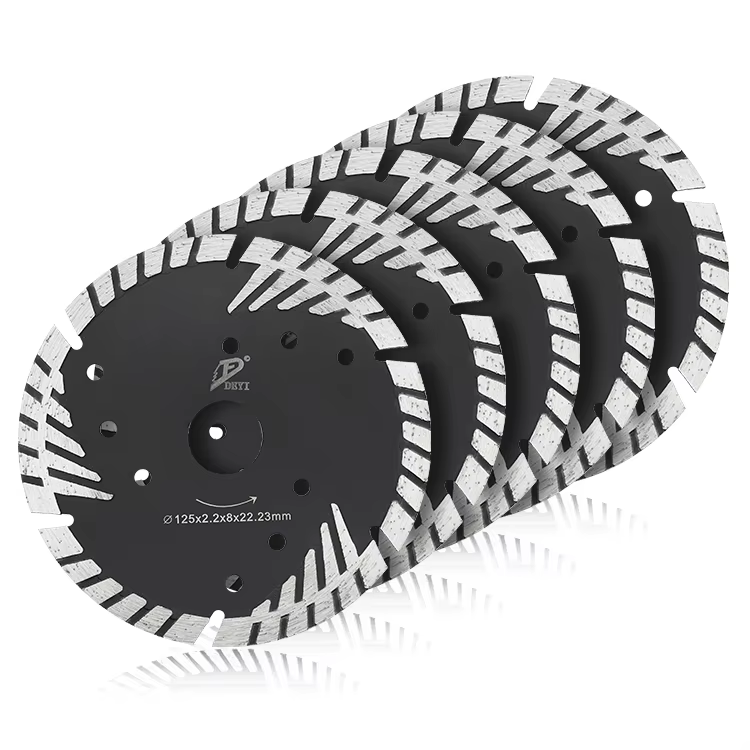
Niche Diamond Tool Focus Enables High-Margin Specialization
Unit economics: superior margins from low-volume, application-locked glass cutting discs
The specialized abrasive tools used in high precision markets like laminated glass, tempered glass, and electronics grade materials rely on advanced material science to tackle real world issues customers face daily. These aren't your run of the mill cutting tools. They're specifically designed to stop those annoying micro cracks, prevent layers from separating, and keep edges from chipping when working with fragile, layered materials. This focused approach gives manufacturers a strong price advantage. Companies can charge way more because their tools deliver a level of accuracy that regular diamond blades just cant match. Mass produced alternatives simply don't stand a chance against these niche tools which sidestep the whole commodity trap. Top players in this space make anywhere from 3 to 4 times what others do per unit even though they produce about 60% less overall. It shows that real money comes from solving specific problems rather than just selling lots of products.
Gross margin comparison: 45–65% in tempered/laminated glass tools vs. 18–25% in commodity diamond blades
The financial impact of specialization is stark:
| Product Segment | Gross Margin Range (%) |
|---|---|
| Tempered/Laminated Glass Tools | 45–65 |
| Commodity Diamond Blades | 18–25 |
Source: Grand View Research, 2023
The 20 to 47 point difference in margins isn't just a temporary market fluctuation but something deeper rooted in how companies insulate themselves structurally. What we see happening is research money shifting away from simply cutting costs through scale production towards actually tackling problems with materials that break easily. For instance, when engineers work on better bonding systems, they manage to cut down on those annoying chips in laminated glass by around 73%. At the same time, special grit shapes help keep polymer layers intact even after repeated stress tests. This kind of focused innovation turns what was once just technical know-how into real money making potential for businesses willing to invest in these solutions over time.
Application-Specific Engineering Solves Unique Material Challenges
When working with glass materials, engineers typically skip the off-the-shelf solutions and start fresh from the base material itself. Different types of glass create their own headaches for manufacturers. Take laminated glass and bulletproof variants for instance. The thermoset layers in between can get all gooey when temperatures hit around 90 degrees Celsius. Meanwhile, those combinations of silica and polycarbonate require completely different approaches during cutting operations. That's why we see so many specialized tooling options on the market these days. These aren't just regular cutting instruments but ones specifically engineered with custom bonding agents and unique grit configurations. There's really no way around it either - trying to force standard tools into these situations just doesn't work out well in practice.
Bond formulation and grit geometry tailored to micro-structural behavior of laminated and bullet-resistant glass
For laminated glass applications, manufacturers need resin bonds that are softer and create less friction so they can slowly let go of the diamonds used in cutting. This helps control heat generation and stops the different layers from separating. When it comes to bullet resistant glass options, the formula changes quite a bit. These versions mix very hard silica materials with something called ductile polycarbonate. The process works differently too sharp, angular diamonds slice right through the glass layers, whereas flatter diamond shapes handle the polymer part without causing damage or tears. What makes this method special is how it keeps everything together during cutting operations. Blades last about three times longer than regular ones according to testing done by major car window suppliers across the industry.
Case study: German OEM achieves 73% chipping reduction via laser-welded diamond concentration and optimized segment height
An automotive parts manufacturer based in Germany tackled the persistent problem of edge chipping in their curved laminated windshields by implementing laser welded diamond clusters focused specifically at areas where stress tends to build up. They also adjusted the segment height to exactly 1.2mm through careful calibration. What this setup did was spread out the cutting forces much more evenly across the material surface. No more those annoying pressure hotspots that would crack the glass from within. After putting this solution into practice, quality control checks showed something pretty impressive: around 73 percent fewer rejected units due to chipping issues. This wasn't just another small improvement on existing methods either. We're talking about a major leap forward in production yields, something that could only happen when engineers really dive deep into understanding how things work at the application level.
Strategic Market Insulation Through Application-Based Segmentation
Concentrated dominance: top 3 niche players hold >82% share in electronics-grade glass cutting—despite <7% of total diamond tool revenue
When it comes to cutting glass for electronics, where edges need to be perfect at the micron level to ensure displays work properly and last long enough, the top three companies in this niche control around 82% of the market. But here's something interesting these same companies account for under 7% of all diamond tool sales across the industry. What gives? It shows how powerful focusing on very specific areas can be. These firms concentrate on tough jobs nobody else wants, like making precise cuts in Gorilla Glass for those new foldable phones or slicing super thin lens covers. Over time, they develop unique skills that others just cant match. Their secret sauce includes special bonding techniques, segments designed for lasers, and mountains of test data from actual manufacturing runs. This creates walls around their business that competitors cant scale. The high profit margins between 45 and 65 percent dont come from bargaining power but from solving real engineering problems that have been tested and proven in factories worldwide. For these specialists, being focused isn't just good business it's basically their defense against competition.
FAQ Section
Why are niche diamond tools more profitable than commodity diamond blades?
Niche diamond tools are more profitable because they solve specific problems with high precision, allowing manufacturers to charge premium prices. Unlike mass-produced blades, these specialized tools provide a level of accuracy that commands higher margins.
What makes laminated glass tools different from commodity diamond blades?
Laminated glass tools are engineered with tailor-made resin bonds and grit configurations that prevent layer separation and micro-cracking, offering better performance in cutting delicate materials compared to commodity diamond blades.
Why do niche players dominate the electronics-grade glass cutting market?
Niche players dominate because they focus on specialized areas like cutting Gorilla Glass and thin lens covers with unparalleled precision. Their expertise and tailored solutions make them leaders in meeting the stringent requirements of electronics-grade glass.