
 EN
EN
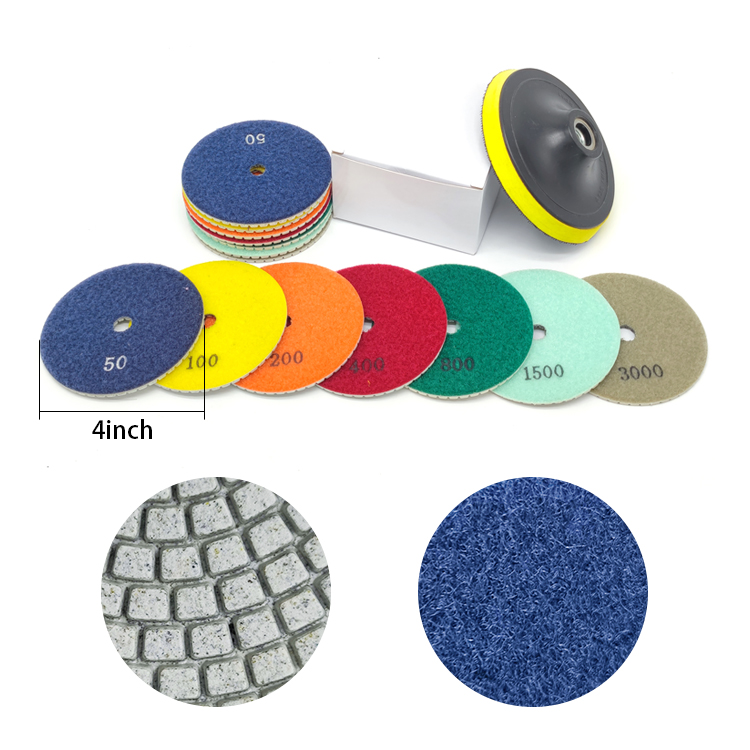
Root Causes of Wholesale Pad Inconsistency
Raw Material Variability: Batch-to-batch fluctuations in diamond grit and metal/ceramic bonds
The inconsistent distribution of diamond grit sizes remains one of the main reasons for poor quality in bulk polishing pads. Most suppliers get their abrasives from various mining locations, which creates small but significant differences in diamond hardness and how well they resist breaking across different shipments. Combine this with poorly controlled metal alloys used in bonding materials or unstable resin mixtures in ceramic composites, and what happens? The cutting performance becomes all over the place, along with the final surface finish quality. Manufacturers who cut corners typically see about a 5% variation in diamond content, something that can shorten pad life by around 30% while causing up to 22% more scratches according to Abrasive Tech Quarterly last year. For wholesale purchasers without proper tracking systems for raw materials, these problems just keep getting passed down through the supply chain.
Manufacturing Process Gaps: Lack of standardized curing, sintering, and quality validation in high-volume production
High-volume production often prioritizes throughput over process control, worsening pad inconsistency. In resin-bonded pads, uneven curing creates soft spots that wear prematurely, while inconsistent sintering times in metal-bond pads alter matrix hardness by 15–20 Rockwell points. Many mass producers skip essential quality checks such as:
- Diamond dispersion testing (via X-ray density mapping)
- Bond hardness sampling across runs
- Wear simulation benchmarking
As a result, up to 40% of pads within the same carton may perform differently—exhibiting rapid glazing or uneven diamond exposure. This variability forces contractors to constantly adjust pressure and speed, increasing labor costs by an average of 18%.
How Bond Type and Matrix Design Amplify Wholesale Pad Inconsistency
Metal vs. resin vs. hybrid bonds: Trade-offs between consistency, heat resistance, and wear uniformity
The kind of bond used makes a big difference in how consistently pads perform when ordered in bulk quantities. Metal bonded pads are great at handling heat but tend to wear down in ways that nobody can really predict during mass production runs. Resin bonds give much more consistent polishing results across surfaces, though they start falling apart pretty fast once things get too hot on the job site. Some companies try making hybrid versions that combine these characteristics, but there's always this issue with inconsistent quality between different batches because the mixing ratios aren't precise enough. Contractors end up stuck picking either perfect finishes or longer lasting tools, which means more wasted time and money fixing mistakes especially when working with delicate stones such as marble countertops or terrazzo floors where even minor imperfections stand out.
Matrix hardness mismatch: Why inconsistent bond hardness leads to uneven diamond exposure and premature failure
Changes in how hard the matrix material is can lead to pads failing much sooner than expected. If there's more than a 5 point difference in Rockwell hardness across different parts of a batch, the diamonds get worn away at different rates when the tool is actually used on site. The softer spots wear down too fast, leaving bare metal behind that digs into surfaces. Meanwhile, the really hard sections hold onto their diamonds way too long before they finally pop off, often leaving scratch marks behind. Industry research suggests around two thirds of contractors find themselves changing out pads about a third sooner than what manufacturers claim they should last. While better quality control during the sintering process would fix this problem, many large suppliers still focus more on keeping production costs low rather than ensuring consistent hardness levels throughout their products.
The Cost–Consistency Trade-Off in Wholesale Sourcing
Diamond Concentration Variance: How Under-Doping or Over-Doping Affects Cutting Efficiency and Lifespan
The amount of diamonds in a pad really matters when it comes to how well it works. If there aren't enough diamonds (under-doping), the pad just doesn't cut efficiently. Operators end up applying more pressure and spending extra time on polishing, which wears out the pad faster. On the flip side, putting too many diamonds in (over-doping) creates problems too. The diamonds stick out unevenly, leading to patchy material removal and the bonding agent breaks down sooner than expected. These issues explain why around 40 percent of unexpected pad changes happen in stone fabrication workshops across the country. Facilities lose roughly $740k each year because of this according to research from Ponemon back in 2023. Getting the right balance of diamonds throughout the pad remains key if fabricators want consistent outcomes without constant interruptions.
Supplier Tiering and Certification Gaps: Why Unverified Wholesale Suppliers Lack Traceability and Batch Documentation
Uncertified suppliers frequently omit essential quality controls, contributing to wholesale pad inconsistency. Without ISO 9001 or equivalent certification, manufacturers often lack standardized procedures for:
- Raw material traceability
- Sintering temperature monitoring
- Post-production hardness testing
Procurement teams that prioritize price over verification face 2.3 more defects and experience pads with 31% shorter lifespans. As noted in industry procurement guidelines, suppliers with documented quality systems reduce material-related disruptions by 41% (Aberdeen Group 2023). Implementing rigorous supplier tiering helps eliminate bond hardness mismatches and diamond concentration errors.
Mitigating Wholesale Pad Inconsistency: A Practical Sourcing Framework
A good strategic sourcing plan cuts down on inconsistencies in wholesale pads without breaking the bank. Start by setting up proper supplier certifications that require clear documentation for batch tracking plus independent checks on diamond concentration levels and bond hardness specs. Quality manufacturers will hand over certificates proving their diamond grit distribution stays within about 5% variation as per ISO 6106 guidelines. Next step is making sure samples get tested before shipping using standard methods like ASTM D7775 to check if they cut at consistent rates and last long enough before approving big orders. Then look into contracts where payments depend on actual results such as how consistently smooth surfaces come out (aiming for no more than 0.2 micrometer variation in Ra measurements). Industry data shows this kind of approach can slash replacement costs by around 40%. Smart buyers tend to go with suppliers who handle everything themselves from diamond sorting right through to bond mixing and sintering processes instead of just putting stuff together elsewhere. Wrap things up by keeping several different suppliers on board so when materials prices jump around there's still room to negotiate better deals through long term agreements. With all these steps in place, buying wholesale pads stops being just about low prices and becomes something closer to building real business partnerships based on quality and reliability.
Frequently Asked Questions
What are the main causes of pad inconsistency in wholesale purchases?
The main causes include variations in raw materials like diamond grit and metal/ceramic bonds, manufacturing process gaps such as lack of standardized curing, and differences in bond and matrix design.
How does the type of bond affect pad consistency?
Different bonds—metal, resin, and hybrid—have trade-offs in consistency, heat resistance, and wear uniformity. Metal bonds handle heat well but have unpredictable wear patterns, while resin bonds provide consistent polishing results but deteriorate quickly under heat.
What steps can be taken to reduce inconsistencies in wholesale pad sourcing?
Implementing a strategic sourcing framework that includes supplier certifications, batch tracking, quality checks, and diversified supplier networks can reduce inconsistencies in pads.