
 EN
EN
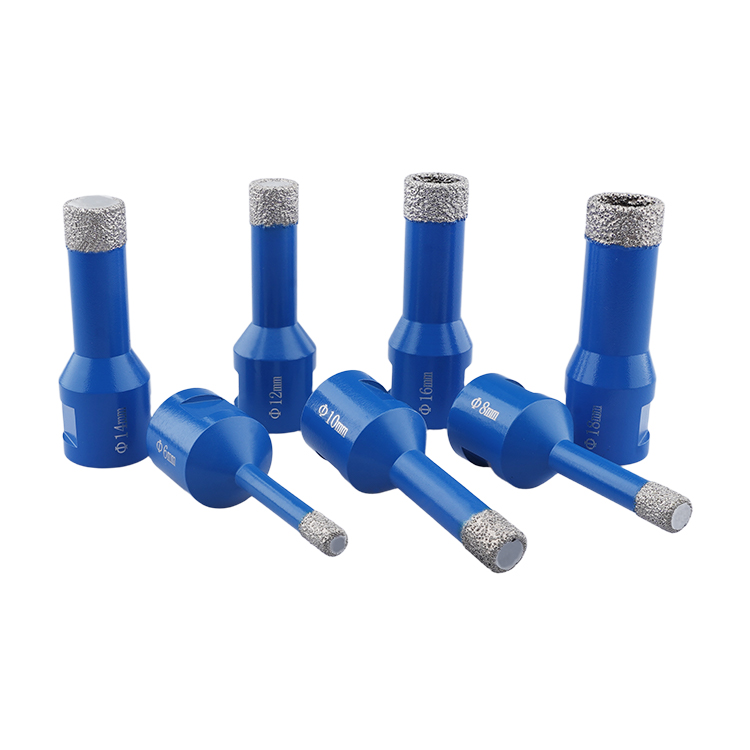
The Unique Demands of Masonry Drilling and Tool Durability
Challenges of drilling into concrete and masonry materials
Concrete and masonry are tough customers when it comes to drilling because they pack a lot of density and contain those pesky silica particles that really eat away at standard drill bits. Most regular bits just can't handle the job for long before they start losing their edge. When this happens, workers end up applying more pressure than necessary, which creates all sorts of problems like overheating the bit and making holes that aren't quite right. For serious masonry work, professionals need specialized tools designed specifically to handle the heat buildup and constant grinding against rough surfaces. These specialized bits last longer and maintain better control over the drilling process, which means fewer frustrations on site and ultimately saves time and money across construction projects.
Why standard drill bits fail under hammer drill conditions
When hammer drills go to work, they can produce around 50 thousand impacts every single minute which puts an enormous amount of strain on regular drill bits that just aren't built for such punishment. All this pounding creates tiny cracks running along the bit's flute area and often leads to problems like chipped tips or bent shafts when hitting rebar. Standard drill bits simply don't have those special carbide reinforcements at the spots where most damage occurs, nor do they feature the kind of geometry that absorbs shocks effectively. The difference is pretty dramatic actually. Tests show these regular bits last only about 27 percent as long as their specialized counterparts when drilling into reinforced concrete, and they break down three times more frequently too according to research published by Drilling Efficiency Studies back in 2023.
Engineering Design of Impact-Resistant Drill Bits
Tungsten carbide tips and their role in cutting through concrete aggregate
Tungsten carbide tips rate around 9 on the Mohs hardness scale, which makes them much tougher than typical masonry materials such as silica sand or limestone. The real advantage comes from how these carbide tips hold their sharpness even when subjected to heavy impact drilling. Instead of bouncing off or wearing down quickly, they cut through aggregate material cleanly without much deflection. When we compare carbide to regular steel bits, there's a noticeable difference in performance too. Carbide resists wear better, cutting down heat generation by roughly 40 percent over long periods of work according to research from Tooling Research Institute back in 2023. This means the tips last longer before needing replacement, saving time and money for anyone doing serious drilling work.
Integrated shock absorption for enhanced bit longevity
Most bits fail because of those tiny cracks caused by constant vibrations. Good quality impact resistant bits actually have special features inside them that absorb shocks. These might include spiral shaped grooves or cores made with certain polymers that help move away the energy when someone hits the bit with a hammer. What this does is spread out the pressure points where the bit connects to the tool head, cutting down on wear and tear by about 60 percent according to some tests. As a result, these better designed bits last around three times longer when working on tough materials like reinforced concrete compared to regular bits without such protection mechanisms. A study published in Construction Technology Journal back in 2024 supports these findings.
Debunking the myth: Not all tungsten-tipped bits are truly impact resistant
A tungsten tip alone does not ensure impact resistance. Authentic performance requires integrated engineering:
- Cobalt-alloyed carbide, which adds fracture toughness missing in pure tungsten;
- Precision brazing, eliminating voids that become failure initiation points under cyclic stress;
-
Post-fusion heat treatment, optimizing crystalline structure for shock tolerance.
Bits lacking these steps may claim âtungstenâ branding but fail catastrophically under hammer drill loadsâproving that true impact resistance stems from holistic material science and manufacturing rigor.
Real-World Performance in Masonry Applications
Withstanding rebar encounters without tip chipping or breakage
Running into rebar when working with reinforced concrete happens all the time and usually destroys regular drill bits pretty quickly. The good news is that impact resistant drill bits handle this problem much better. These specialized bits have carbide tips that don't bend easily under pressure, plus special flutes designed to soak up shocks and stop tiny cracks from spreading through the bit material. According to tests done in real world conditions, these tough bits can take about three times as many hits against rebar before showing any real signs of wear. That makes them ideal for areas packed with steel reinforcement such as building columns or basement walls where there's typically over 40 pounds of rebar mixed into every cubic yard of concrete.
Case study: Efficiency gains in reinforced concrete drilling projects
During an infrastructure job last year, workers who needed to drill 2 inch anchor holes into 5,000 psi concrete packed with thick rebar mesh finished their work 37 percent quicker when they switched to impact resistant bits. There were basically two reasons why these bits worked so much better. First off, there wasn't a single replacement needed throughout the whole project whereas other crews at similar sites went through about eight standard bits. Second, the RPM stayed steady all the way through without any drop in power like happens with regular bits. The special shock absorbing construction kept the bits from getting progressively dull as segments would break off. According to the site managers, tooling expenses dropped by around 22% compared to previous projects. Plus, nobody got hurt from flying bit pieces anymore something that had been a recurring problem before. These durable bits clearly made operations run smoother while keeping everyone safer on site.
Preventing Common Failures with High-Shock-Tolerance Bits
How impact-resistant drill bits reduce segment fracture and bit breakage
Drilling into masonry puts regular drill bits through the wringer, often causing them to snap right in half when they hit rebar. That's why manufacturers have started making bits with special impact resistance features. These new designs spread out the force across the carbide tip instead of letting it all concentrate in one spot. They also help prevent those tiny cracks from forming when the bit hits steel reinforcement bars. Some models use spiral flute patterns while others incorporate special alloys that absorb vibrations better. According to a recent study published in the Tooling Industry Report last year, these improvements cut down on breakages by around two thirds compared to old school bits. Workers benefit from longer lasting equipment and safer conditions since there are far fewer instances of metal shards flying off during operation.
FAQs
What makes masonry and concrete difficult to drill?
Masonry and concrete are dense materials containing silica particles, which can wear out regular drill bits quickly. Specialized tools are needed to handle these tough surfaces.
Why do regular drill bits fail during hammer drilling?
Regular drill bits cannot withstand the strain of 50,000 impacts per minute from hammer drills, leading to cracks and damage. Specialized bits are reinforced and designed to absorb shocks more effectively.
How do tungsten carbide tips improve drill bits for masonry?
Tungsten carbide tips, rated 9 on the Mohs scale, remain sharp under impact and resist wear better, reducing heat generation by 40% compared to regular steel bits.
Are all tungsten-tipped drill bits impact resistant?
No, true impact resistance requires integrated engineering features like cobalt-alloyed carbide and precision brazing. Not all materials branded as tungsten ensure true impact resistance.
How do impact-resistant drill bits handle encounters with rebar?
Impact-resistant bits have carbide tips and special flutes to absorb shocks, preventing bending and chipping, and can last three times longer when drilling in reinforced concrete.