
 EN
EN
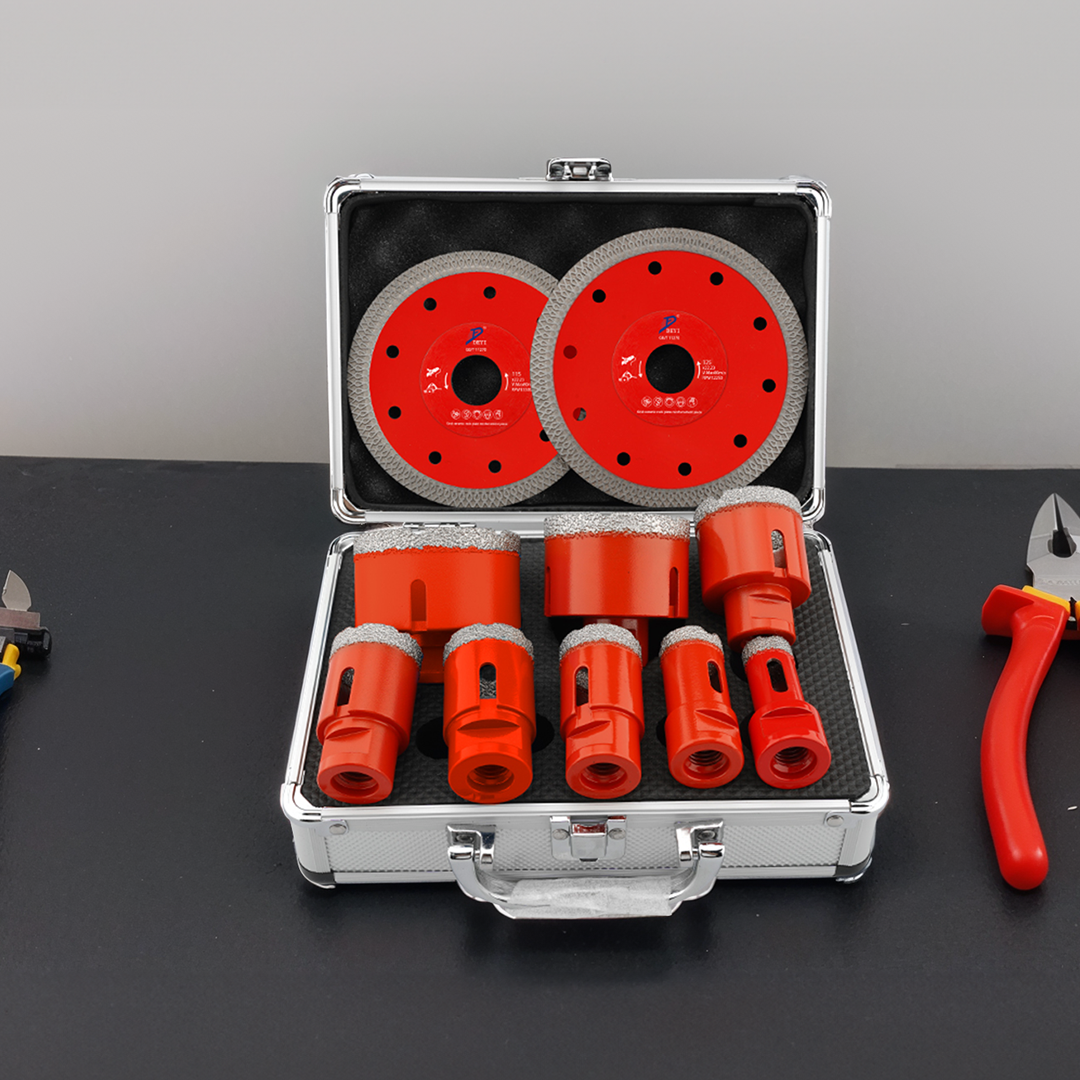
Wholesale Distributors: The Core Channel for North America Diamond Tool Distribution
Market Share and Operational Reach of Tier-1 Industrial Distributors
The big players in industrial distribution really control most of the diamond tool market in North America, holding around 60% share according to recent estimates. These companies have built out massive networks with warehouses strategically placed throughout both the US and Canada, which means they can often get products to businesses within the same day for about 80% of commercial areas. What makes them stand out is their stock levels across different types of abrasives. They carry everything from tools used for core drilling right down to those needed for concrete polishing jobs. Because they buy so much at once straight from factories, prices tend to be better for people actually using these tools on site. While new distribution models are popping up everywhere, nothing quite matches the reach and efficiency these established giants have developed over years of operation.
Why Distributors Excel at Inventory Management and Regional Logistics
Diamond tool wholesalers have built their businesses on years of experience managing complex supply chains. Big distribution hubs now rely on smart data analysis to keep popular products like segmented blades and turbo cups in stock, while smaller warehouses across regions manage quick restocking when needed. The whole operation runs on specialized facilities that store sensitive resin-bonded tools at controlled temperatures, computer systems that automatically track inventory levels through vendor connections, and special delivery trucks for getting tools into city centers fast. This setup helps avoid empty shelves when construction activity spikes in spring and fall, which is really important since many projects get delayed simply because workers can't find the right cutting tools. About one out of every six construction delays nationwide actually comes down to missing equipment. That's why most companies stick with the regional warehouse approach for distributing diamond tools across North America.
Direct OEM and Manufacturer Sales: Strategic Growth in North America Diamond Tool Distribution
How Vertical Integration and Custom Solutions Drive OEM Channel Adoption
More manufacturers are turning to direct sales channels these days because they can offer those really specialized diamond tool solutions that regular wholesale distributors just cant match. When companies vertically integrate their operations, they get much better control over product quality and cut down on wait times by around 30 to 40 percent compared to going through third party fulfillment services. This makes all the difference for big infrastructure jobs where crews need to deploy diamond core bits or segmented blades quickly without delays. Custom made tools have become the main reason for growth in this sector too. Look at it this way: over two thirds of aerospace and auto manufacturing shops now buy their diamond tools straight from manufacturers rather than through middlemen. Why? Because they need stuff like non conductive bonding materials or those super precise edge shapes that standard products simply dont provide. What sets OEMs apart is how they weave technical support right into the selling process itself. This helps bridge those knowledge gaps that often happen when working with intermediaries, especially important for complicated setups dealing with metal tolerances or verifying performance specs. Sure, online marketplaces work fine for basic items, but when it comes to major contracts in North America that require engineered solutions and proper certification for just in time deliveries, most businesses still rely on original equipment manufacturers for their diamond tool needs.
Digital B2B Platforms: Accelerating Efficiency in North America Diamond Tool Distribution
Adoption Trends Among Contractors and Midsize Fabricators
Digital procurement is catching on fast among contractors and smaller fabrication shops across North America when it comes to getting their hands on diamond tools. More than half of these businesses are now looking for online platforms that show what's in stock right away and handle automatic restocking, which cuts down wait times by around 40%. What we're seeing here mirrors the same convenience people love from Amazon shopping: being able to buy anytime, get specs instantly, and have everything shipped together. Some top platforms even use smart algorithms to warn about when tools start wearing out, saving shop owners roughly 18 hours each month on manual tracking. For those working on urgent jobs like concrete polishing or tile installations, this kind of efficiency matters a lot. A single hour lost to waiting means losing over seven hundred dollars, so every minute saved counts big time in their bottom line.
Limitations and Complementary Role Relative to Traditional Channels
Even though companies have embraced digital tools quite a bit, these platforms still handle less than 30% of those complicated diamond tool deals. When it comes to expensive custom orders over $5,000, people still need face-to-face technical advice something industrial distributors do really well with their on site engineers available for consultations. The digital world just can't crack certain problems yet. Getting big core drills or segmented blades delivered reliably remains tricky for many last mile situations. Reading between the lines of metallurgical specs for special alloys? That's another area where screens fall short. And let's be honest nobody wants to buy a diamond tool without seeing it in action first. Smart distributors get this and have adopted what we might call a mixed bag approach. They use websites for standard items like abrasives and saw blades but keep their sales teams on hand for the real engineering work. This blend works wonders for business to business customers with about 8 out of 10 satisfied clients proving that digital isn't going to replace old fashioned relationships anytime soon it simply complements them.
Contractor-Focused and Aftermarket Channels: Niche but High-Impact Touchpoints
Wholesale distributors and original equipment manufacturers definitely control most of the diamond tool market in North America, but there's something special happening with those contractor-focused channels too. The dedicated supply stores and equipment rental outfits are making their mark by offering things like on site sharpening services and quick replacement blades when projects hit snags during construction work or fabrication jobs. What makes these channels stick out is how loyal customers become even though each sale isn't huge. Contractors working against tight deadlines really appreciate being able to get reconditioned tools fast plus having someone who knows what they're doing available for technical questions. Aftermarket stuff matters a lot too. Retipping programs keep those expensive diamond tools going longer, which means money keeps coming in month after month while cutting down on waste at the same time. These specialty channels might only account for around 15% of all sales in the industry, but don't sleep on their impact. They shape what people think about brands and influence whether folks come back again and again, especially in areas where time is money and projects move at lightning speed.
FAQ Section
Why do tier-1 industrial distributors dominate the diamond tool market in North America?
Tier-1 industrial distributors dominate because they have extensive networks, strategic warehouse locations, and efficient logistics, offering quick delivery and competitive pricing.
What role do digital B2B platforms play in diamond tool distribution?
Digital B2B platforms enhance efficiency for contractors and midsize fabricators by offering on-demand purchasing and automatic restocking, although they complement rather than replace traditional channels.
How do contractor-focused channels impact the diamond tool market?
Contractor-focused channels, while niche, provide critical services like on-site sharpening and quick replacement, fostering customer loyalty and influencing brand perception significantly.
Table of Contents
- Wholesale Distributors: The Core Channel for North America Diamond Tool Distribution
- Direct OEM and Manufacturer Sales: Strategic Growth in North America Diamond Tool Distribution
- Digital B2B Platforms: Accelerating Efficiency in North America Diamond Tool Distribution
- Contractor-Focused and Aftermarket Channels: Niche but High-Impact Touchpoints
- FAQ Section