
 EN
EN
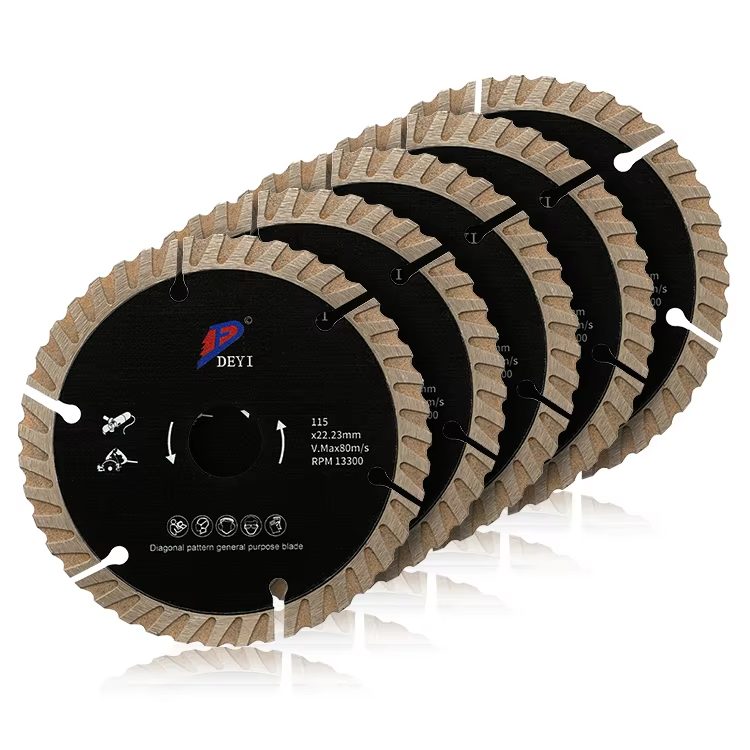
Core Carbon Footprint Metrics Tracked Across the Value Chain
Keeping track of carbon footprints throughout the entire diamond saw blade production process, from when they dig out the raw materials all the way through to what happens after we're done using them, really matters if we want to cut down on emissions effectively. The numbers tell us how much CO₂ gets released at different points along the way: think about the mining operations for tungsten carbide and synthetic diamonds first, then the actual manufacturing steps like sintering and grinding, and finally everything that happens once blades reach customers and eventually get disposed of. Looking closely at these figures shows something interesting – around half of all emissions come just from the sintering process alone. That makes sense because those high temperatures consume so much energy. When factories monitor their energy consumption during these hot manufacturing stages, they spot places where improvements could be made. Most companies rely on Life Cycle Assessments (LCAs) to make sure their measurements are consistent across facilities. Beyond helping manufacturers go green, this kind of detailed tracking is becoming increasingly important as regulations demand more transparency about Scope 3 emissions. Real world data suggests such efforts typically lead to between 18% and 25% reduction in overall emissions while still maintaining good blade quality and performance standards.
Life Cycle Assessment (LCA) and ISO 14040/14044 Compliance for Carbon Footprint Metrics
Life Cycle Assessment provides a standardized framework to quantify environmental impacts, ensuring credible carbon footprint metrics in diamond saw blade production.
Phases of LCA Applied to Diamond Saw Blades: From Raw Material Extraction to End-of-Life
LCA evaluates diamond saw blades across four phases:
- Raw Material Extraction: Assessing impacts from mining tungsten carbide, cobalt, and synthetic diamonds
- Manufacturing: Calculating sintering energy consumption and grinding emissions
- Use Phase: Measuring operational energy use intensity during cutting applications
- End-of-Life: Quantifying disposal impacts and recycling potential of metal matrix components
This cradle-to-grave approach highlights that sintering drives 62% of energy demandâa key area for improvement (Materials Efficiency Journal 2023). By mapping emissions across all stages, manufacturers gain visibility into high-impact areas and prioritize interventions.
How ISO 14040/14044 Standards Ensure Consistency and Credibility in Carbon Footprint Metrics
The ISO 14040 standard outlines how life cycle assessments should be conducted, whereas ISO 14044 focuses on strict data quality rules that make carbon reports reliable and consistent across different organizations. These international guidelines help stop companies from making false environmental claims because they require independent checks, clear breakdowns for Scope 3 emissions, and standardized ways to measure environmental impacts. Companies that follow both standards tend to have much more trustworthy environmental information according to recent research published in the Global Sustainability Review last year. Their data shows about 28 percent improvement in credibility when compared to non-compliant firms, which makes it easier to compare how efficiently energy is used and what kind of effects materials have throughout their entire lifecycle.
Scope 1, 2, and 3 Emissions: Key Carbon Footprint Metrics by Source
Scope 1: Direct Emissions from Sintering, Grinding, and Coating Processes
The main source of direct emissions comes from actual manufacturing work happening right at the facility. When we run those sintering furnaces for diamond bonding, they burn natural gas which releases carbon dioxide into the air. The grinding process creates all sorts of tiny particles floating around, and these machines need coolant systems that themselves contribute to emissions. Then there's the coating stuff too - processes like physical vapor deposition (PVD) create chemical reactions that end up putting greenhouse gases into our atmosphere. Most plants now have these continuous monitoring systems installed across their operations. They collect all this data on carbon footprints so managers can actually see what parts of production need attention when trying to cut down environmental impact.
Scope 2: Grid-Dependent Electricity Use and Energy Intensity Benchmarks
The indirect emissions come mostly from buying electricity for things like hydraulic presses, CNC machines, and keeping the lights on throughout the facility. When we look at how much energy it takes to produce each blade, measured in kilowatt hours per unit, this helps compare different facilities against one another. Plants located near coal plants tend to release around two and a half times more carbon dioxide equivalent compared to factories running on renewable sources. Because of these differences in emissions levels, many companies are now pouring money into making their operations more efficient. Simple changes like switching to LED bulbs and installing systems that track energy usage in real time can significantly cut down what's known as the Scope 2 emissions footprint.
Scope 3: High-Impact Upstream Metrics â Tungsten Carbide, Cobalt, and Diamond Supply Chains
The majority of carbon emissions actually come from upstream activities, making up well over three quarters of the total environmental impact. When it comes to specific materials, tungsten mining releases around 12 kilograms of CO2 equivalent for every kilogram mined. Cobalt refining is another problem area because it needs so much energy to get the job done. Creating synthetic diamonds isn't exactly eco friendly either. It takes roughly 100 kilowatt hours just to produce one carat under those intense pressures and temperatures we all know about. And let's not forget transportation costs which pile on even more to the overall carbon footprint. To tackle these issues throughout the supply chain, companies really need to work hand in hand with their suppliers. Finding ways to source materials with lower carbon footprints should be a priority for anyone serious about reducing their environmental impact.
Material-Specific Carbon Footprint Metrics: Tungsten Carbide, Cobalt, and Synthetic Diamond
Embodied Carbon per kg of Tungsten Carbide vs. Cobalt in Blade Matrix Production
The blade matrix typically contains both tungsten carbide and cobalt, though these materials leave very different marks on the environment. Manufacturing tungsten carbide releases between 8 and 12 kilograms of CO₂ equivalent for every kilogram produced, mainly because the process requires so much energy. Cobalt is even worse when it comes to carbon footprint, sitting at around 15 to 20 kg CO₂e per kg. This is largely due to the complicated methods needed to extract and purify the metal. Since cobalt makes up anywhere from 3% to 20% of most blade matrices, finding ways to use less of it or replace it with something less environmentally damaging could cut down on total emissions while still keeping the blades performing well. Many manufacturers are already looking into alternative materials that maintain strength properties but come with a lighter environmental burden.
Sintering Energy Demand as a Dominant Contributor to Carbon Footprint Metrics
The HPHT sintering process accounts for well over half of all emissions during production. When we look at the numbers, creating just 1 gram of synthetic diamond grit actually releases between 4.2 and 5.3 kilograms of CO2 equivalent, mostly because of how much electricity goes into the process according to research published in Journal of Cleaner Production back in 2020. This becomes even worse in places where power plants still burn lots of coal, which sadly remains true across many industrial areas worldwide. Switching to green energy sources for these sintering operations could cut down those harmful emissions by around 40 percent or so. That makes renewable energy adoption not just good practice but arguably the single best strategy available right now if companies want to seriously cut their carbon footprint while continuing to manufacture diamonds sustainably.
Improving Carbon Footprint Metrics Through Sustainable Manufacturing Strategies
Manufacturers are reducing carbon footprint metrics through energy-efficient operations and circular resource models. These strategies address both direct emissions and lifecycle material impacts in diamond saw blade production.
Energy Efficiency Gains and Renewable Integration in Modern Blade Facilities
Switching out traditional sintering furnaces for ones with induction heating can cut down on energy usage anywhere from 30 to 50 percent according to research published in the Journal of Cleaner Production back in 2023. Many top manufacturers are now installing solar panels right at their facilities and buying renewable energy credits too, which helps them clean up their electricity sources and brings those pesky Scope 2 emissions way down. With real time tracking of energy consumption, companies spot which processes eat up the most power, such as grinding operations. This lets them focus improvements where they matter most and set fresh standards for how much energy different manufacturing sectors actually need.
Circularity Levers: Recycling Scrap Blades and Reusing Metal Powders
The closed loop recycling process for industrial blades can reclaim around 95% of valuable materials like tungsten carbide and cobalt using special crushing methods and magnetic separators. When companies put these recovered metal powders back into production instead of mining new raw materials, they cut down on carbon emissions significantly. The math adds up too - about 8 kilograms less CO2 released for every kilogram of recycled material compared to extracting fresh stuff from the ground. A real world example comes from one toolmaker who slashed their carbon footprint by nearly half for each blade produced after switching to this powder reuse system. What's interesting is that their cutting tools still performed just as well as before, proving that going green doesn't necessarily mean sacrificing quality or efficiency in manufacturing.
FAQ Section
What is the significance of tracking carbon footprints across the diamond saw blade value chain?
Tracking carbon footprints is crucial for effectively reducing emissions at each stage, from raw material extraction to end-of-life disposal. It offers insights into where improvements can be made, with much of the focus on the energy-intensive sintering process.
How does Life Cycle Assessment (LCA) contribute to carbon footprint metrics?
LCA provides a standardized method to quantify environmental impacts, making sure the data is consistent across different facilities. It highlights high-impact areas and helps manufacturers prioritize interventions to reduce emissions.
What are Scope 1, 2, and 3 emissions?
Scope 1 emissions are direct emissions from manufacturing processes, Scope 2 are indirect emissions from electricity use, and Scope 3 comprise high-impact upstream activities like material extraction.
How is renewable energy integration helping manufacturers reduce carbon footprints?
By switching to renewable energy sources such as solar panels and induction heating, manufacturers cut down significantly on energy consumption, thereby reducing their Scope 2 emissions and overall carbon footprint.
What are some sustainable manufacturing strategies to improve carbon metrics?
Sustainable strategies include energy-efficient operations and circular resource models, such as recycling scrap blades and reusing metal powders, which lower emissions without sacrificing quality or efficiency.
Table of Contents
- Core Carbon Footprint Metrics Tracked Across the Value Chain
- Life Cycle Assessment (LCA) and ISO 14040/14044 Compliance for Carbon Footprint Metrics
- Scope 1, 2, and 3 Emissions: Key Carbon Footprint Metrics by Source
- Material-Specific Carbon Footprint Metrics: Tungsten Carbide, Cobalt, and Synthetic Diamond
- Improving Carbon Footprint Metrics Through Sustainable Manufacturing Strategies
-
FAQ Section
- What is the significance of tracking carbon footprints across the diamond saw blade value chain?
- How does Life Cycle Assessment (LCA) contribute to carbon footprint metrics?
- What are Scope 1, 2, and 3 emissions?
- How is renewable energy integration helping manufacturers reduce carbon footprints?
- What are some sustainable manufacturing strategies to improve carbon metrics?