
 EN
EN
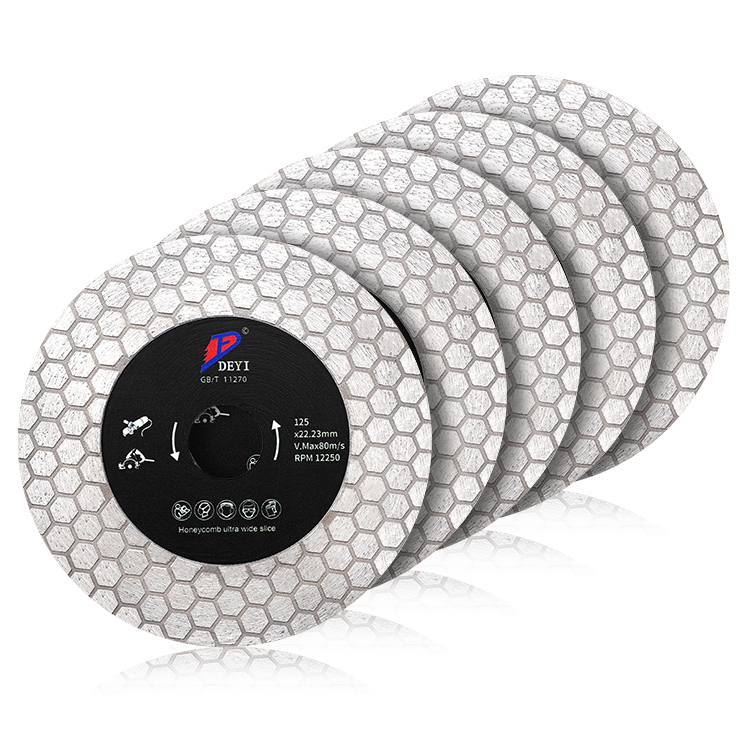
Cost vs. Value: Quantifying True ROI of Affordable vs Premium Discs
Upfront Cost vs. Lifecycle Efficiency: When Cheaper Blades Cost More
While budget cutting discs offer tempting initial savings, contractors often discover their true cost through accelerated wear and frequent replacements. Premium diamond blades typically feature higher diamond concentration and optimized bond matrices, enabling 2-3x longer lifespan in abrasive materials like reinforced concrete. Consider this comparison:
| Performance Metric | Affordable Disc | Premium Disc |
|---|---|---|
| Average Cuts per Disc | 80-100 | 200-250 |
| Replacement Frequency | 2.5x higher | Baseline |
| Project Delay Risk | 30% higher | <15% |
Looking at what workers spend on changing blades plus all that lost time when tools aren't running, those cheap alternatives actually end up costing around 15 to maybe even 25 percent more each year. Take for instance a basic $20 disc that needs replacing three times through a single project run. That adds up to $60 spent just on blades alone while a pricier $55 model might last right through the whole thing without needing replacement. The difference becomes really noticeable as projects get bigger or happen more often. For people who use these tools regularly day after day, investing in quality blades makes much better financial sense long term despite their higher upfront price tag.
Cost Per Cut Analysis: A Contractor's Practical Metric for Blade Economy
Savvy contractors bypass sticker-price comparisons by calculating cost per cut: divide blade price by its expected cut count. Premium discs often deliver superior economics despite higher initial cost. For example:
- A $50 premium blade achieving 500 cuts = $0.10/cut
- A $20 affordable disc managing 150 cuts = $0.13/cut
Looking at this particular measure reveals some pretty big problems with cheaper alternatives, especially noticeable when working with tough stuff like concrete or stone where the difference between good and bad blade life becomes really obvious. The thing is, blades that stay sharp longer actually save money in the long run because they don't slow down mid-job. Contractors who work on big projects know this all too well. Sure, paying extra for quality discs might seem like a waste at first glance, but those small improvements add up fast when someone needs to make hundreds or even thousands of cuts. A contractor friend told me once that saving just 5 minutes per cut on a major renovation can eat away at profits faster than anyone expects. That's why smart builders always factor these hidden costs into their calculations before making purchasing decisions.
Performance Under Pressure: Durability and Consistency of Affordable vs Premium Discs
Cut Speed, Heat Resistance, and Edge Retention in Daily Contractor Use
When contractors look at what works best for their jobs, they have to weigh cheaper discs against the pricier ones, especially where performance matters most on tough construction sites. The better quality discs tend to keep going about 20 to maybe even 30 percent quicker than those cheap alternatives because of how tightly packed their grains are, which stops them from getting glazed over so fast. That actually means real money saved in man hours for big projects down the road. These premium discs also handle heat way better thanks to some fancy bonding stuff manufacturers put in them, so they don't wear out prematurely when tackling reinforced concrete or thick stone walls. The budget options? They usually fall apart pretty quick once exposed to all that constant friction during extended cutting sessions.
How long an edge stays sharp really matters too. High end cutting discs can last around 40% longer before needing replacement, all while keeping that clean cut quality throughout. This means fewer times stopping work to swap out worn tools and less money wasted on downtime. Budget grade discs tell a different story though. They tend to wear unevenly, sometimes getting dull in spots while other areas stay sharp, which makes for inconsistent cuts and creates real safety issues on site. Contractors who track their expenses know the real value comes down to what each individual cut costs them. Industry publications back this up showing that despite paying more upfront for premium discs, the extra durability pays off handsomely over time. Especially important when working with tough stuff like concrete or ceramic tiles where inconsistent performance can throw entire projects behind schedule.
Matching Affordable vs Premium Discs to Real-World Job Demands
Material-Specific Performance: Concrete, Masonry, Tile, and Reinforced Steel
What material we're working with matters more for choosing the right cutting disc than just looking at the price tag. When dealing with softer stuff like regular masonry or standard tiles, cheaper cutting discs work fine most of the time and save around half the cost per unit. But when faced with tougher materials such as reinforced steel or high silica content concrete, there's no getting around using those premium diamond matrix discs. These specialized tools have engineered bonds that keep going strong even when friction gets intense something basic economy discs simply can't handle without breaking down fast. According to field testing across various construction sites, these top quality discs last about three times longer when cutting through rebar while still keeping within tight tolerances of about half a millimeter. And this kind of reliable performance makes all the difference in avoiding costly mistakes that lead to wasted materials and having to redo important structural components.
Project Scale & Frequency: When Premium Discs Prevent Downtime on Large Jobs
When working on installations that take several days, contractors need to factor in both tool downtime and blade costs. Cheap blades might work fine for occasional fixes, but things get expensive fast on big commercial jobs. According to some research from last year, changing blades while cutting bridge decks actually eats up about 18 minutes every hour. The better quality discs out there cut down on these changes by around 70%, simply because they last longer at the job site. On bigger projects over 200 meters long, this time savings usually pays back the extra money spent on premium blades within just two days of work. And let's not forget those costly fines that come with missing deadlines.
Strategic Selection Framework for Contractors
When contractors need to pick between cheap and expensive cutting discs, having a good system makes all the difference. First thing's first, sort out what kind of work we're talking about here. For those little jobs that don't happen too often and just involve regular materials, budget discs usually get the job done without breaking the bank. But when dealing with big projects or repeated cuts through reinforced steel and thick masonry, going for top quality contractor blades pays off big time. These premium blades handle heat better and keep their edges longer, which means fewer interruptions when tools start acting up. Also worth considering how fast things need to go and whether workers can easily access materials on site. Jobs with tight schedules really benefit from premium discs since they perform consistently even when pushed hard. Let's do the math too. Sure, premium blades cost 15 to 30 percent more initially, but they last 2 to 3 times longer than cheaper alternatives. Fewer blade changes mean significant savings over time, especially for companies making hundreds or thousands of cuts each month. Thinking this way turns what was once just another expense into something that actually boosts productivity across the board.
FAQ
Why do premium discs last longer than affordable discs?
Premium discs have a higher concentration of diamonds and optimized bond matrices that enhance durability and performance, unlike affordable discs which wear out faster.
How can I determine cost efficiency between different cutting discs?
Calculate the cost per cut by dividing the blade price by its expected cut count. This metric allows you to see the true cost effectiveness of each disc.
What are the advantages of using premium discs on larger projects?
Premium discs reduce downtime by lasting longer, minimize blade change frequency, and prevent costly mistakes due to inconsistent cuts, improving project timelines and outcomes.
Are affordable discs sufficient for all types of materials?
Affordable discs work well on softer materials like masonry but aren't recommended for tougher materials like reinforced steel. Premium discs are better for robust materials.