
 EN
EN
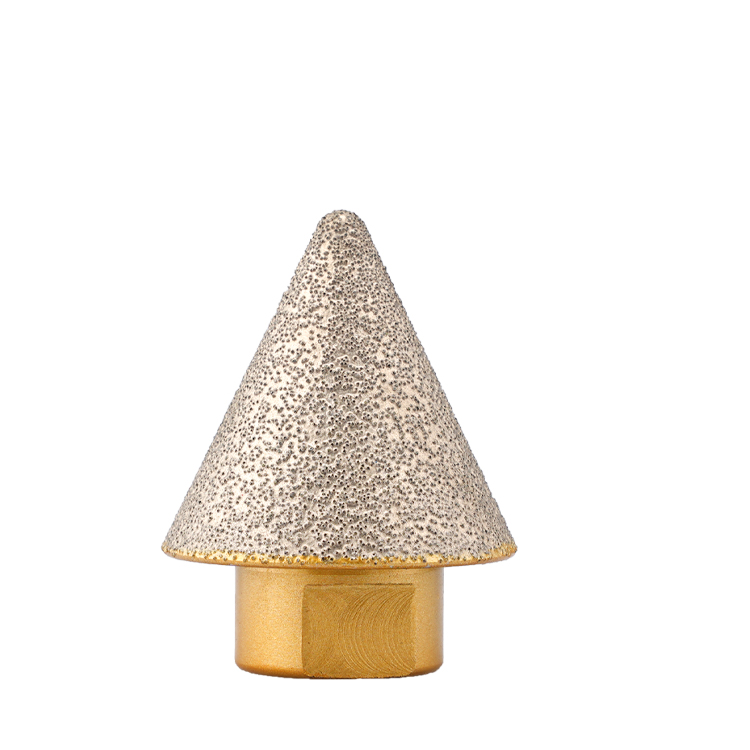
Why Global Compliance Documentation Is Critical for Diamond Drill Bit Sets
Global compliance docs might seem like paperwork headaches, but they actually protect businesses from getting stuck in regulatory limbo. Diamond drill bits run into serious regulatory issues around the world because those industrial diamonds count as dual-use materials in about 37 different countries. When shipments lack proper HS codes or complete customs declarations, they often get held up for nearly a month at customs checkpoints. Missing out on key certifications such as the CE mark means automatic rejection when trying to enter EU markets. The financial hit can be massive too. Last year, companies exporting industrial tools faced average fines of around $740,000 each time something went wrong with their paperwork. And guess what? Nearly two thirds of those problems were right down to simple mistakes in documentation.
When it comes to exports, missing pieces in documentation don't just mean fines for manufacturers but also opens them up to risks related to trade-based money laundering. Take industrial diamonds as an example they're on those OFAC and EU sanction lists, so companies need to constantly check against banned parties. One small mistake in declaring shipments can lead to all sorts of problems down the line from seized goods at ports to broken contracts and even losing import privileges forever. Getting ahead of these issues means making sure all paperwork lines up properly across commercial invoices, origin certificates, and running regular sanctions checks. Companies that do this right see their customs clearance times drop dramatically around three quarters faster actually. Plus, having good records makes life easier when dealing with regulators from different countries like the US, China, and UAE who all want proof things are being handled correctly.
| Risk Factor | Impact | Mitigation |
|---|---|---|
| Incorrect HS Codes | 45% customs delay rate | Pre-classification audits |
| Missing Certifications | 100% port rejection | Digital compliance dashboards |
| Sanctions Overlook | $2M+ average fines | Automated screening integrations |
The convergence of mineral origin tracing, anti-money laundering (AML) protocols, and dual-use declarations makes diamond tool documentation uniquely complex. Manufacturers prioritizing integrated global compliance frameworks report 79% fewer shipment incidents—transforming documentation from a cost center into a competitive accelerator.
Core Components of Global Compliance Documentation
When it comes to shipping diamond drill bits, three key papers are absolutely essential for getting things through customs smoothly. First there's the commercial invoice which tells everyone how much stuff costs and who bought what from whom. Then we have the packing list that basically confirms what's actually inside those boxes along with their weight. And finally, the certificate of origin is probably the most important one since it proves where the products were made. This matters a lot because countries apply different tariffs based on where goods come from according to various trade deals. According to Global Trade Review data from last year, shipments without proper origin documentation get inspected by customs officials at around 73% higher rate than those with complete paperwork. So making sure all three documents are in order can save companies tons of time and hassle at border checkpoints.
Commercial invoice, packing list, and certificate of origin
These documents collectively mitigate financial and legal exposure. The commercial invoice dictates duty calculations and tax liability—errors here trigger average penalties of $740k (Ponemon 2023). Meanwhile, the certificate of origin prevents costly misclassification, especially critical for diamond tools subject to anti-dumping duties in markets like the EU.
HS code classification and customs declarations for diamond-tipped tools
Accurate global compliance documentation hinges on precise Harmonized System (HS) code assignment. Diamond-tipped tools typically fall under HS 6804.21, but misclassifying them as industrial diamonds (6804.23) invites customs disputes and shipment holds. This distinction affects:
| Classification Aspect | Diamond-Tipped (6804.21) | Industrial Diamond (6804.23) |
|---|---|---|
| Duty Rates | 0—3.7% (varies by FTA) | Up to 8% + anti-dumping duties |
| Export Controls | Standard | Dual-use screening required |
| Common Errors | Mislabeling diamond coating | Confusing grit size with material |
Customs declarations must also specify whether drill bits contain synthetic diamonds, as certain jurisdictions impose licensing requirements. Harmonizing these details across U.S., EU, and Asian markets reduces clearance times by 34% (BIC Guidance 2023).
Sanctions, AML, and Dual-Use Considerations in Diamond Tool Exports
Identifying dual-use status and mitigating trade-based money laundering (TBML) risk
Some diamond drill bit sets can be considered dual purpose since they work for both regular jobs around town and certain military applications too. Companies shipping these need to really check what happens to their goods after sale because some are covered by rules such as the EU's Dual Use Regulations. Getting this right matters a lot for paperwork needed worldwide and stops things from being used in ways nobody wants. When looking at TBML issues, businesses should pay extra attention to any international deals over ten thousand dollars. They also need solid evidence who actually gets those bits delivered and watch out for shipments valued differently than expected by more than fifteen percent something that often points toward shady money movements. Good supply chain tracking software makes it easier to spot countries where diamond tools tend to show up in places they shouldn't be, possibly helping people get around sanctions.
Sanctions compliance for industrial diamond tools under OFAC, EU, and UN regimes
Industrial diamond exports require real-time screening against consolidated sanctions lists from OFAC (Office of Foreign Assets Control), EU, and UN. Shipments to entities involved in weapons programs—even through third countries—risk penalties exceeding $1M per violation. Maintain auditable records showing:
- Classification under correct HS codes (e.g., 8207.13 for diamond-tipped tools)
- Documentation proving no sanctioned party involvement in production or distribution
- Certificates confirming non-origin from conflict zones under the Kimberley Process
Automated sanction screening platforms reduce false positives by 40% compared to manual checks while ensuring audit readiness.
Implementing a Scalable Global Compliance Documentation Strategy
Harmonizing documentation across U.S., EU, UAE, and China import requirements
Standardizing core documents—commercial invoice, packing list, and certificate of origin—across key markets reduces customs clearance delays by 30% for diamond drill bit set shipments. Non-harmonized documentation causes 68% of cross-border delays, costing exporters $740k annually in demurrage fees (Ponemon 2023). Manufacturers must align these three foundational documents with region-specific mandates:
- U.S. Customs: Requires explicit diamond content declaration under HTS 8207.13.00
- EU CE Certification: Demands abrasion resistance test reports for diamond-tipped tools
- China GB Standards: Mandates Mandarin-language safety certifications
- UAE GCC Conformity: Needs Halal material compliance statements
Maintaining version-controlled templates for each jurisdiction prevents shipment rejections while enabling rapid market expansion.
Leveraging digital tools for audit-ready global compliance documentation
Cloud-based compliance platforms automate 92% of documentation workflows for diamond tool exporters, according to 2023 trade automation studies. These systems centralize three critical functions:
- HS Code Validation: Real-time classification updates across 200+ tariff schedules
- Sanctions Screening: Automated OFAC/UN/EU restricted-party checks
- Audit Trails: Immutable records of document revisions and approvals
This digital transformation reduces manual errors by 79% while generating audit-ready export packets in minutes rather than days. When selecting platforms, prioritize solutions with machine learning capabilities that adapt to regulatory changes—such as new EU conflict mineral rules effective Q3 2024.
FAQ Section
Why are global compliance documents critical for diamond drill bit sets?
These documents ensure regulatory compliance and help avoid fines, shipment delays, and restrictions on imports and exports, especially since diamond drill bits are considered dual-use materials in many countries.
What are the key components of global compliance documentation for diamond drill bits?
The essential documents include the commercial invoice, packing list, and certificate of origin, which detail cost, contents, and product manufacturing location.
What are HS Codes, and why are they essential?
HS Codes classify goods in international trade. Accurate codes for diamond drill bits prevent customs disputes and reduce shipment delays.
How can businesses ensure compliance with international sanctions?
Businesses can use automated sanction screening platforms and maintain auditable records showing compliance with OFAC, EU, and UN sanctions.