
 EN
EN
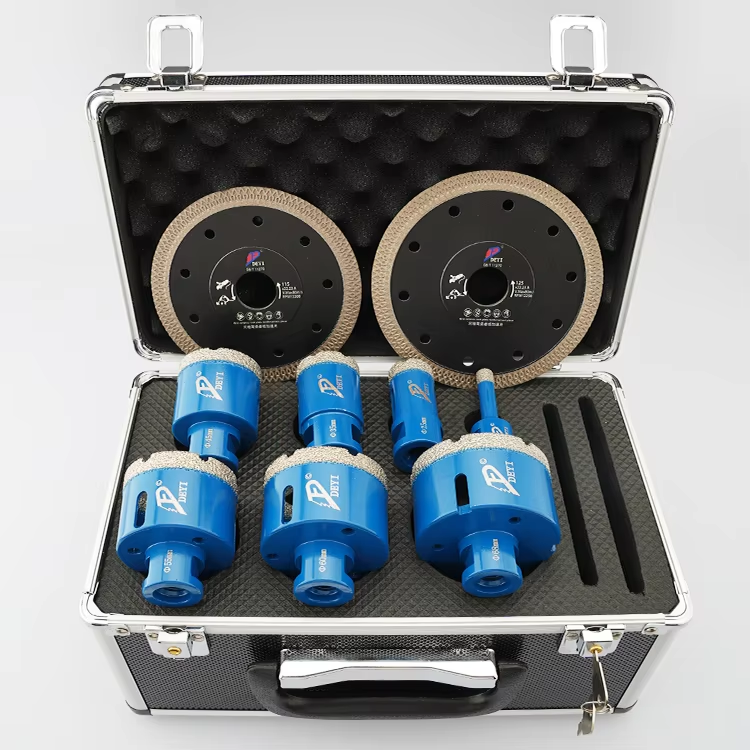
Temperature Extremes and Diamond Core Drill Bit Efficiency
Impact of Cold Weather on Diamond Core Drilling Operations
When temps drop below freezing, diamond core drill bits just don't perform as well according to recent studies from Materials Performance Journal (2023). The cold causes metal contraction which actually breaks down the bond between the diamonds and the bit matrix. Field workers have noticed drilling takes around 40% longer when working in conditions colder than 23 degrees Fahrenheit because both concrete and rock become more brittle at those temperatures. For anyone trying to keep their equipment functioning properly in winter conditions, there are several things that help. First off, warming up the drill bits to somewhere between 50 and 59 degrees Fahrenheit before starting work makes a big difference. Using coolants with lower viscosity mixed with antifreeze agents such as propylene glycol at concentrations of about 20 to 25 percent also helps maintain performance. And most importantly, operators should avoid running drills continuously for more than 15 minutes at a time to minimize thermal stress on the equipment.
Overheating and Thermal Management in Hot Climates
When diamond bits get too hot inside, around 650 degrees Celsius or so (that's about 1,202 Fahrenheit), they start to break down structurally. This happens much quicker in desert areas where temperatures spike. Research using thermal imaging has actually shown that just sitting in direct sunlight can raise the surface temperature of these bits by anywhere from 85 to 110 degrees Celsius (roughly 185 to 230 Fahrenheit) even before any drilling takes place. The good news is wet drilling methods cut down on heat buildup by nearly 40 percent compared to dry approaches when it's only 35 degrees Celsius outside (around 95 Fahrenheit). For really tough jobs, ceramic infused segments work surprisingly well above 400 degrees Celsius (about 752 Fahrenheit). These segments beat out regular metal bonded options when dealing with prolonged exposure to intense heat.
Thermal Shock: Causes, Risks, and Prevention in Variable Conditions
When drill bits move between shady areas and direct sunlight, they often face temperature swings over 200 degrees Celsius per minute (that's about 392 Fahrenheit per minute). These rapid changes create tiny cracks in the metal which can cut bit life down by nearly half according to a study published last year in Geotechnical Engineering Review. To combat this problem, operators have found success using several approaches. Some rigs now incorporate coolant systems that slowly adjust temperatures rather than letting them spike suddenly. Others use specially designed bits with small gaps built into them to handle expansion and contraction better. The most advanced setups actually monitor heat levels through infrared sensors and automatically slow down rotation speeds when things get too hot. Looking at data collected across 120 different job sites, companies that adjusted their drilling times based on weather conditions saw a dramatic drop in bit failures related to heat stress. Best part? They still managed to keep around 90% of their normal productivity levels despite these adjustments.
Coolant and Water Management in Outdoor Drilling Environments
Coolant Temperature and Its Effect on Cutting Performance
Keeping coolant temperatures around 50 to 60 degrees Fahrenheit (about 10 to 15 Celsius) really makes a difference for diamond core drill bits since it finds that sweet spot between managing heat and providing proper lubrication. When coolant drops below 40 degrees Fahrenheit (around 4 Celsius), things get tricky because the fluid gets too thick. This thickness cuts down on flow rates by roughly 30 percent and wears out those segments much faster than normal. On the flip side, if coolant goes over 90 degrees Fahrenheit (32 Celsius), it basically loses its ability to cool effectively, which puts the diamond matrix at serious risk of getting damaged during operation. Most professionals working in temperature sensitive areas rely on closed loop cooling systems with adjustable flow controls to maintain these optimal thermal conditions throughout their drilling processes.
| Cooling Method | Optimal Temp Range | Efficiency Impact | Common Use Cases |
|---|---|---|---|
| Water Cooling | 50–60°F (10–15°C) | High heat transfer | High-speed concrete drilling |
| Air Mist Systems | 60–75°F (15–24°C) | Moderate cooling, low water use | Arid regions, dry materials |
Preventing Coolant Freezing: Use of Treated Water and Additives
When temperatures drop below freezing, using propylene glycol at around 20 to 25 percent concentration or going with ethanol based solutions can stop coolant from freezing all the way down to about minus ten degrees Fahrenheit which is roughly minus twenty three Celsius. This cuts down on ice formation problems by almost four fifths according to what we know. But there's a catch worth mentioning here. If these additives get diluted too much past about thirty percent concentration, they actually start working against us. The lubrication properties break down and bits tend to wear out faster when cutting through tough stuff like granite or reinforced concrete. Tests show wear rates jump somewhere between eighteen and twenty two percent under those conditions. That's why getting the mix right matters so much if anyone wants their equipment to last through multiple seasons without constant replacement costs eating into profits.
Water Quality and Availability Challenges in Remote Locations
Operations in remote drilling sites face roughly four times more downtime problems compared to other locations because of scarce water supplies and all sorts of contaminants floating around in the water supply. When water contains too much silica content above about 50 parts per million, this actually cuts down on how long coolant systems last before needing replacement parts. And salty water just eats away at pump components over time. That's why most field crews now carry those portable reverse osmosis units along with those foldable storage tanks when working out in desert environments or up in the mountains where fresh water isn't readily available. These setups help boost access to clean fluids by somewhere around 60 percent and maintain better coolant quality throughout extended operations.
Wet vs Dry Drilling: Environmental Trade-offs and Bit Performance
Comparing Bit Lifespan in Wet and Dry Drilling Conditions
Using water during drilling can actually make diamond core bits last around 40% longer than going dry, according to research published in Construction Materials Journal back in 2022. The reason? Water helps carry away heat and cuts down on friction that would otherwise wear down the bits so quickly. When working with tough stuff like reinforced concrete, this difference becomes really noticeable because dry drilling just eats through those expensive diamond segments at an alarming rate. Sure, setting up for dry drilling takes less time and equipment is easier to move around, but anyone who's done serious outdoor work knows what a pain it gets replacing bits every couple hours instead of once in a while. The tradeoff between convenience and longevity definitely matters in the long run.
Dust Suppression Needs and Water Usage Constraints
Wet drilling eliminates 95% of airborne silica dust, helping comply with OSHA’s permissible exposure limits, but consumes 8–12 gallons of water per minute. In water-scarce regions, this creates a challenge between environmental compliance and resource conservation:
| Factor | Wet Drilling | Dry Drilling |
|---|---|---|
| Water Consumption | High (8–12 GPM) | None |
| Dust Suppression | Full | Partial (requires PPE) |
| Setup Complexity | Moderate | Low |
Dry Drilling Limitations in Arid and Water-Scarce Regions
Deserts present real challenges for drilling operations because there's no cooling available during dry drilling. This causes serious thermal stress on those diamond segments we rely on, and studies show cutting precision plummets around 15 to maybe even 20 percent after only half an hour straight work. Operators try to combat this issue through segmented drilling patterns and special heat resistant bonding materials, but honestly productivity takes quite a hit anyway, dropping roughly 25% when compared against traditional wet drilling techniques. That said, some hybrid approaches have emerged recently. Mist cooled systems seem promising as they strike a decent balance between maintaining bit life expectancy and conserving precious water resources in both environmentally fragile areas and truly arid regions where water scarcity remains a major concern.
Adaptive Drilling Strategies for Variable Outdoor Environments
Environmental conditions significantly influence diamond core drill bit performance in outdoor settings, requiring adaptive strategies that balance efficiency with equipment preservation. Modern operators combine real-time data analysis with flexible operating protocols to address temperature fluctuations, humidity changes, and substrate variability.
Adjusting Drilling Speed and Pressure Based on Environmental Feedback
The rotation speed, typically between 150 to 500 RPM, along with feed pressure ranging from about 200 to 800 psi gets tweaked depending on how hard the material is and what the surrounding conditions look like. When dealing with tough basalt rock formations, operators usually cut down the speed by around 15 to 20 percent but keep the pressure at a reasonable level. This helps avoid overheating issues and can actually make drill bits last longer, sometimes adding up to 25 or even 30 percent more life according to some recent findings in the Geotechnical Drilling Report for 2023. Sandy soils tell a different story though. These materials respond better when we crank up the RPMs a bit while keeping the pressure relatively low. The combination reduces unwanted movement during drilling and leads to straighter, more accurate holes overall.
Real-Time Monitoring of Humidity, Dust, and Temperature for Optimal Performance
IoT-enabled sensors track key operational metrics:
| Metric | Operational Threshold | Response Protocol |
|---|---|---|
| Bit Temperature | 40–70°C | Automatic coolant flow adjustment |
| Airborne Dust | >5 mg/m³ | Drill head retraction + mist suppression |
| Ground Moisture | <15% | Switching to dry drilling mode |
This proactive monitoring prevents 82% of thermal shock incidents in volatile climates (Surface Mining Journal 2024).
Pre-Deployment Environmental Assessment and Climate-Adaptive Planning
When looking at sites for drilling operations, teams typically check out past weather records, how much water is available on site, and do some geology assessments before picking the right bits and figuring out their methods. In really dry areas, crews tend to go for those vacuum sealed diamond segments along with dry drilling adapters because they work better there. Up north in the Arctic? Different story altogether. The cold means operators need special low temp hydraulic fluids and heated coolant tanks just to keep things running smoothly. According to a recent study from Heavy Equipment Review back in 2024, projects that adapt to local climate conditions actually cut down unexpected stoppages by about 37 percent when compared to old school methods that don't take these factors into account.
FAQ
What impact does cold weather have on diamond core drilling?
Cold weather can cause metal contraction, weakening the bond between diamonds and the bit matrix, leading to longer drilling times and increased brittleness of concrete and rock.
How can overheating be managed in hot climates during drilling?
Wet drilling methods, ceramic segments, and the use of infrared sensors for real-time temperature monitoring help reduce overheating issues in hot climates, ensuring better bit longevity and efficiency.
What role does coolant play in diamond core drilling?
Coolant maintains optimal temperatures and provides lubrication needed to enhance cutting performance. Properly managed coolant systems ensure thermal stress is minimized and bit longevity is maximized.
Why is wet drilling preferred over dry drilling?
Wet drilling significantly reduces friction and airborne dust, leading to a longer lifespan of drill bits and better compliance with environmental and safety standards.