 EN
EN
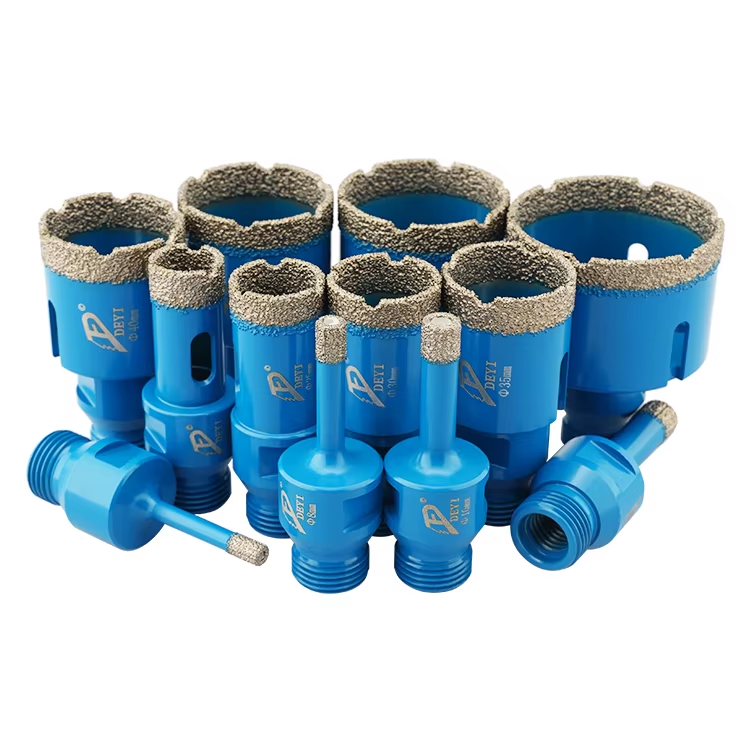
How Bond Type Affects Performance in Limestone Drilling
Why limestone’s low abrasiveness and medium hardness demand bond-specific optimization
Limestone has some pretty unique characteristics when it comes to drilling. Rated around 3 to 4 on the Mohs hardness scale and not very abrasive at all, these properties present specific challenges for drill bits. The material is soft enough that drills can penetrate quickly, but because there isn't much abrasion, the natural wear on drill bonds doesn't happen as expected. This actually increases the risk of glazing when using bonds that are too hard for the job. On the flip side, if the bonds are too soft they just wear out too fast even though the material isn't really wearing them down much. Getting good results requires finding the right balance between keeping diamonds in place and letting them work properly. Most professionals find that medium hard metal bonds work best since they erode at a controlled rate while still maintaining those sharp diamond edges without causing too much damage to the segments themselves. When folks skip this important detail, their bits tend to degrade anywhere from 30% to 50% faster when working with limestone versus granite according to recent findings from the Industry Drilling Report released last year.
Core difference: sintered (metal-bonded) vs plated (electroplated nickel-bonded) diamond structures
The main difference between sintered and plated diamond drill bits lies in how they attach diamonds and what this means for their overall strength. With sintered bits, manufacturers actually melt diamonds into a metal base made of either cobalt or bronze by applying intense heat and pressure. What results is a solid piece where diamonds are completely mixed in with the metal matrix. As these bits wear down during use, new diamonds gradually come into contact with the material being drilled, making them great for going really deep into materials. Plated bits work differently though. They stick a thin layer of diamonds onto a steel shaft through an electrochemical process involving nickel as the bonding agent. These diamonds sit on top instead of being part of the structure itself, which creates a very fine cutting edge perfect for detailed work. However, there's a trade off here since this surface mounting makes the diamonds prone to coming loose from the bit over time.
| Feature | Sintered Bits | Plated Bits |
|---|---|---|
| Bond thickness | 3–10 mm metal matrix | 0.05–0.2 mm nickel layer |
| Diamond depth | Full-segment integration | Surface-level deposition |
| Wear resistance | High (resharpenable) | Limited (no diamond replenishment) |
| Primary use case | Deep limestone coring | Shallow precision drilling |
Drilling Efficiency and Precision: Speed, Heat, and Bit Life in Limestone
Sintered diamond bits keep going strong when drilling through limestone because of how diamonds are layered throughout the metal matrix. This setup spreads out the friction and keeps things from getting too hot too fast during long jobs. These bits can drill at around 1.5 to 2.5 inches per minute for over 20 feet straight, since new diamonds gradually come into play as old ones wear down. On the other hand, plated bits start off much faster in shallower work, maybe 20 to 30% quicker actually, but their performance drops off pretty quickly after about 15 to 20 feet. Why? Because they only have one layer of diamonds, so all the friction gets concentrated in one spot. That raises temperatures way above 600 degrees Fahrenheit when running continuously, and once it hits that mark, limestone starts developing tiny cracks we call microfractures.
| Performance Factor | Sintered Bits | Plated Bits |
|---|---|---|
| Optimal Drilling Depth | 20+ feet | <15 feet |
| Heat Dissipation | Matrix-distributed | Point-concentrated |
| Speed Consistency | ±10% variance over 50 ft | 40% drop after 20 ft |
When working on projects that demand high precision such as architectural details, the thermal stability of sintered bits helps maintain hole integrity because they don't suffer from thermal runaway issues. Plated bits still work well enough for jobs that only need one pass through the material when getting the job done quickly matters more than how long the bit lasts, as long as proper flushing is maintained throughout the process. Both types need good water flow to function properly, but sintered bits handle changes in water flow much better than plated ones do, especially important when drilling into limestone which has those unpredictable density variations throughout different sections of the stone.
Long-run performance: sintered bits in deep or repetitive limestone coring
When working on tough limestone drilling jobs that require deep coring or lots of repeat operations, sintered metal bonded diamond bits stand out for their lasting power. The way these bits are made with tightly packed diamonds inside a metal base means they can handle extended friction without wearing down too much. Plated bits just don't compare because as the sintered ones slowly break down during use, new diamond surfaces keep getting exposed naturally. This self sharpening feature cuts down on how often workers need to stop and change bits mid job. Contractors who regularly drill many deep holes for things like foundation anchors or underground utilities find that while sintered bits cost more initially, they actually save money in the long run since each hole ends up being cheaper overall. Plus, these bits take punishment better than other types so there's less need to replace them when dealing with impacts and heat from continuous drilling sessions.
Short-run precision: plated bits for shallow, clean holes with minimal setup time
Electroplated diamond bits are great for drilling shallow holes in limestone when installing things like plumbing fixtures or running electrical conduits through walls. What makes them stand out is how they cut so precisely without costing much to set up. These bits have just one layer of diamonds bonded with nickel, which creates this really thin cutting edge. That means cleaner hole walls with less chipping around the edges something that matters a lot when the installation will be visible to customers or inspectors. Another advantage? They don't need any kind of break-in time before use and most of the time work just fine without needing coolant. This lets contractors get right into high speed drilling right away. For smaller jobs where someone needs to drill maybe 10 holes max and each hole isn't deeper than 2 inches, these bits save money because there's no need to invest in those pricey cooling systems. Sure, they won't last forever in limestone typically good for about 20 to 30 holes but considering how little maintenance they require and how quickly they can be deployed in under 15 minutes, they're still worth using especially when time is tight on a job site.
Decision matrix: matching bond type to drilling depth, hole count, and equipment constraints
Selecting the optimal diamond drill bit for limestone requires evaluating three key factors:
| Parameter | Sintered Bits | Plated Bits |
|---|---|---|
| Drilling Depth | > 50 mm (ideal) | ≤ 50 mm (optimal) |
| Hole Count | High-volume (50+ holes) | Low-volume (< 50 holes) |
| Equipment Needs | High-power drill + water cooling | Standard drill + minimal setup |
Sintered diamond bits work really well for deep limestone coring jobs and when doing lots of repeat drilling because they have that layered diamond construction plus better heat handling. When going over 50mm deep or making more than 50 holes total, these bits last about 30% longer segments even though they cost more upfront according to recent studies on materials flexibility. Electroplated bits make sense for shallower work where getting things done quickly matters most. Important tip: pick the right bit based on what kind of drill power you have available. The sintered ones need at least 800 watts worth of torque from the tool, whereas the electroplated versions will run fine with something around 500 watts or so.
Common pitfalls — why ‘softer stone = softer bond’ is misleading for limestone
Believing that limestone's medium hardness (around 3 to 4 on the Mohs scale) means we need softer plated bonds just doesn't hold up when looking at actual material science facts. Limestone might be softer than granite, but its low abrasiveness isn't enough to wear down those nickel matrices in plated bits and reveal new diamonds. What happens instead is the bits start to glaze over too soon and wear unevenly across the surface. When we look at sintered metal bonds though, they last about 40 percent longer against abrasion in limestone applications because the diamonds get exposed gradually as the matrix wears away naturally. This creates this ongoing diamond layer renewal effect that simply can't happen with those single layer electroplated bits. And there's another thing about limestone worth mentioning: those silica inclusions it contains actually speed up the breakdown of plated bits. So even though limestone isn't super hard, operators find that sintered bits end up costing less overall for extended drilling projects.
FAQ
What type of drill bit is best for limestone? Sintered metal bonded diamond bits are best for deep limestone coring and repeated drilling. Plated bits are more suited for shallow precision drilling.
How does bond type affect drilling efficiency in limestone? Bond type impacts the wear rate, heat dissipation, and speed consistency of drill bits. Sintered bits offer better performance over long drilling distances.
Why are plated bits not ideal for all limestone drilling? Plated bits have limited wear resistance and are more suited to shallow, precise drilling due to their single diamond layer.
Table of Contents
-
How Bond Type Affects Performance in Limestone Drilling
- Why limestone’s low abrasiveness and medium hardness demand bond-specific optimization
- Core difference: sintered (metal-bonded) vs plated (electroplated nickel-bonded) diamond structures
- Drilling Efficiency and Precision: Speed, Heat, and Bit Life in Limestone
- Long-run performance: sintered bits in deep or repetitive limestone coring
- Short-run precision: plated bits for shallow, clean holes with minimal setup time
- Decision matrix: matching bond type to drilling depth, hole count, and equipment constraints
- Common pitfalls — why ‘softer stone = softer bond’ is misleading for limestone
- FAQ